Restaurant Marketing Plan Template
Restaurant Marketing Plan Template A well-defined restaurant marketing plan is the cornerstone of sustained success. It’s a roadmap that outlines how you will attract, retain, and delight customers, ultimately driving revenue and building a strong brand. This template provides a comprehensive framework for creating a robust and effective marketing plan tailored to your restaurant. **I. Executive Summary** * **Brief Overview:** Summarize the entire marketing plan, highlighting key objectives, strategies, and anticipated outcomes. Think of this as an “elevator pitch” for your plan. * **Restaurant Concept:** Define your restaurant’s core identity, including cuisine style, target audience, and unique selling propositions (USPs). What makes you different? Why should customers choose you? * **Marketing Goals:** State your overarching marketing goals. Examples: increase revenue by X% within Y months, acquire Z new customers per week, improve online ratings by X stars. Goals should be SMART: Specific, Measurable, Achievable, Relevant, and Time-bound. **II. Situation Analysis** * **Market Analysis:** Research and analyze the local restaurant market. * **Market Size & Growth:** Estimate the total market size for your type of restaurant in your area. Is the market growing, stagnant, or declining? * **Trends:** Identify current trends in the restaurant industry, such as demand for healthier options, online ordering, delivery services, or specific cuisines. * **Local Demographics:** Understand the demographics of your target market: age, income, lifestyle, dining preferences. * **Economic Factors:** Consider the impact of the local economy on dining habits. * **Competitive Analysis:** Identify your key competitors and assess their strengths and weaknesses. * **Competitor Identification:** List your direct and indirect competitors. Direct competitors offer similar cuisine and dining experiences. Indirect competitors provide alternative dining options (e.g., fast food, cafes). * **Competitive Strengths & Weaknesses:** Analyze competitors based on factors like menu, pricing, service, ambiance, location, marketing efforts, and online presence. * **Competitive Advantage:** Determine how your restaurant can differentiate itself from the competition. What can you offer that they don’t? * **SWOT Analysis:** Conduct a SWOT (Strengths, Weaknesses, Opportunities, Threats) analysis to evaluate your restaurant’s internal capabilities and external environment. * **Strengths:** Internal advantages (e.g., excellent food quality, loyal staff, prime location). * **Weaknesses:** Internal limitations (e.g., outdated decor, slow service during peak hours, limited parking). * **Opportunities:** External factors that can benefit your restaurant (e.g., upcoming local events, underserved market segments, new technologies). * **Threats:** External factors that could negatively impact your restaurant (e.g., increased competition, rising food costs, economic downturn). **III. Target Audience** * **Customer Personas:** Create detailed profiles of your ideal customers. Include demographics, psychographics (lifestyle, values, interests), dining habits, and motivations. Give each persona a name and a face (use stock photos if needed). * **Segmentation:** Identify different segments within your target audience based on shared characteristics. Tailor your marketing messages and strategies to resonate with each segment. Examples: families, young professionals, students, tourists. * **Needs & Preferences:** Understand the specific needs and preferences of your target audience. What are they looking for in a dining experience? What are their pain points? **IV. Marketing Objectives & Strategies** * **Specific Objectives:** Define clear and measurable marketing objectives that align with your overall business goals. (Refer back to the Marketing Goals in the Executive Summary) Examples: * Increase website traffic by 20% in 3 months. * Generate 50 new online orders per week. * Improve average customer rating on Yelp by 0.5 stars in 6 months. * **Marketing Strategies:** Outline the specific strategies you will use to achieve your objectives. * **Branding:** Develop a strong brand identity that reflects your restaurant’s personality and values. This includes your logo, color scheme, messaging, and overall brand experience. * **Digital Marketing:** * **Website:** Optimize your website for search engines (SEO) and ensure it is mobile-friendly. Include online ordering capabilities, menu, photos, contact information, and reservation options. * **Social Media Marketing:** Use relevant social media platforms (Facebook, Instagram, Twitter, TikTok) to engage with your target audience, share content, run promotions, and build brand awareness. * **Email Marketing:** Build an email list and send regular newsletters, promotional offers, and updates to subscribers. * **Online Advertising:** Run targeted online advertising campaigns (e.g., Google Ads, social media ads) to reach potential customers. * **Online Reputation Management:** Monitor online reviews and respond to customer feedback promptly and professionally. * **Traditional Marketing:** * **Print Advertising:** Consider print ads in local newspapers, magazines, and community publications. * **Direct Mail:** Send postcards, flyers, or coupons to local residents. * **Local Partnerships:** Partner with local businesses, organizations, or events to cross-promote your restaurant. * **Public Relations:** Seek media coverage in local publications and online outlets. * **Menu & Pricing Strategy:** * **Menu Engineering:** Design your menu to maximize profitability by highlighting high-margin items and strategically placing menu items. * **Pricing Strategy:** Set prices that are competitive and reflect the value of your food and dining experience. * **Promotions & Special Offers:** * **Loyalty Programs:** Reward loyal customers with exclusive discounts and perks. * **Happy Hour:** Offer discounted drinks and appetizers during designated hours. * **Special Events:** Host themed dinners, wine tastings, or live music events. * **Seasonal Promotions:** Offer special menus and promotions during holidays or specific seasons. **V. Marketing Budget** * **Allocation of Resources:** Allocate your marketing budget across different channels and activities based on their potential ROI (Return on Investment). * **Cost Breakdown:** Detail the estimated costs for each marketing activity, including advertising expenses, website maintenance, social media management, printing costs, and event expenses. **VI. Implementation & Timeline** * **Action Plan:** Create a detailed action plan that outlines the specific tasks, responsibilities, and deadlines for each marketing activity. * **Timeline:** Develop a realistic timeline for implementing your marketing plan. Break down your plan into smaller, manageable steps with specific deadlines. * **Key Performance Indicators (KPIs):** Identify the key performance indicators (KPIs) you will use to track the success of your marketing efforts. Examples: website traffic, social media engagement, online orders, customer reviews, sales revenue. **VII. Evaluation & Control** * **Monitoring & Tracking:** Regularly monitor and track your KPIs to assess the performance of your marketing activities. Use analytics tools to gather data on website traffic, social media engagement, and online sales. * **Analysis & Reporting:** Analyze the data you collect to identify what is working well and what needs improvement. Prepare regular reports to track progress toward your marketing objectives. * **Adjustments & Optimization:** Be prepared to adjust your marketing strategies and tactics based on the results you are seeing. Continuously optimize your campaigns to improve performance and maximize ROI. This restaurant marketing plan template provides a structured approach to creating a comprehensive and effective marketing strategy. Remember to adapt the template to your specific restaurant concept, target audience, and market conditions. Regularly review and update your marketing plan to ensure it remains relevant and effective in a constantly evolving market. Good luck!
 880×1140 restaurant marketing plan template google docs word templatenet from www.template.net
  1760×1140 restaurant marketing plan template powerpoint google from www.template.net
  880×1140 restaurant marketing plan template google docs word apple pages from www.template.net
  880×1140 restaurant marketing plan template google docs word pages from www.template.net
  800×800 restaurant marketing plan template cervitude from cervitude.com
  880×1140 restaurant digital marketing plan template word pages google docs from www.template.net
  880×1140 restaurant strategic marketing plan template pages word google from www.template.net
  880×1140 sample restaurant marketing plan template pages word google docs from www.template.net
  1200×1700 restaurant marketing plan template edit from www.template.net
  1024×576 restaurant marketing planpptx wps templates from template-test.wps.com
 .png) 608×608 create restaurant marketing plan from restaurantengine.com
608×608 create restaurant marketing plan from restaurantengine.com  720×540 restaurant marketing plan template from template.mapadapalavra.ba.gov.br
  585×650 restaurant marketing plan template printable word searches from davida.davivienda.com
  1440×2810 marketing plan template restaurants from codesm.marketing
  1932×2500 professional marketing plan templates template lab from templatelab.com
  960×540 restaurant marketing plan template prntblconcejomunicipaldechinugovco from prntbl.concejomunicipaldechinu.gov.co
  816×1056 restaurant marketing plan sample oqzikfzxd from www.bizzlibrary.com
  960×540 restaurant marketing plan powerpoint google template from www.collidu.com
  1024×683 create effective restaurant marketing plan template from kitchenbusiness.com
  1382×1090 restaurant marketing plan template toast toast pos from pos.toasttab.com
  975×682 write restaurant marketing plan template included from restaurant.eatapp.co


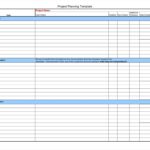
Restaurant Marketing Plan Template :
Restaurant Marketing Plan Template was posted in December 27, 2025 at 5:46 pm. If you wanna have it as yours, please click the Pictures and you will go to click right mouse then Save Image As and Click Save and download the Restaurant Marketing Plan Template Picture.. Don’t forget to share this picture with others via Facebook, Twitter, Pinterest or other social medias! we do hope you'll get inspired by SampleTemplates123... Thanks again! If you have any DMCA issues on this post, please contact us!
Related For Restaurant Marketing Plan Template
