Project Plan Template For Team Collaboration
“`html
Project Plan Template for Team Collaboration
A well-structured project plan is the cornerstone of successful team collaboration. It provides a roadmap, outlining objectives, tasks, timelines, and responsibilities, ensuring everyone is aligned and working towards a common goal. This template provides a framework to build such a plan, fostering transparency, accountability, and efficient communication within your team.
I. Project Overview
Begin by defining the fundamental aspects of your project. This section sets the stage and provides context for the entire plan.
- Project Name: A clear and concise name that accurately reflects the project’s purpose.
- Project Goal: A broad statement describing the ultimate desired outcome. It should be aspirational but realistic. Example: “To increase user engagement on the mobile app by 20% within the next quarter.”
- Project Objectives: Specific, measurable, achievable, relevant, and time-bound (SMART) objectives that contribute to achieving the project goal. These are the concrete steps you’ll take. Example: “Increase daily active users by 10% by implementing push notifications for personalized content recommendations by July 31st.”
- Project Scope: Define what is included and, more importantly, what is explicitly excluded from the project. This prevents scope creep and keeps the project focused. Example: “Included: Redesign of the user interface for iOS and Android apps. Excluded: Development of a new marketing campaign.”
- Project Deliverables: List all tangible outputs the project will produce. These are the specific items or results the team will create. Example: “Wireframes, UI mockups, Functional Android app, Functional iOS app, User documentation.”
- Project Sponsor: Identify the individual or group providing the resources and authority for the project.
- Project Manager: Designate the individual responsible for leading the project and ensuring its successful completion.
II. Team Roles and Responsibilities
Clearly define the roles and responsibilities of each team member. This eliminates confusion and promotes accountability.
| Team Member | Role | Responsibilities |
|---|---|---|
| John Doe | UI Designer | Creating wireframes, mockups, and prototypes for the user interface. |
| Jane Smith | Android Developer | Developing and testing the Android application. |
| Peter Jones | iOS Developer | Developing and testing the iOS application. |
| Alice Brown | Quality Assurance Tester | Testing the application for bugs and ensuring quality standards. |
III. Task Breakdown and Timeline
Break down the project into smaller, manageable tasks. Assign deadlines and dependencies to each task to create a realistic timeline.
- Work Breakdown Structure (WBS): A hierarchical decomposition of the project into smaller, more manageable tasks. Use a tool like a Gantt chart or a simple list to organize the tasks.
- Task Description: A detailed description of each task, outlining what needs to be done.
- Task Owner: The individual responsible for completing the task.
- Task Start Date: The date the task is scheduled to begin.
- Task End Date: The date the task is scheduled to be completed.
- Task Dependencies: Identify any tasks that must be completed before a particular task can begin. This helps define the critical path.
- Milestones: Significant points in the project timeline that mark the completion of a major phase or deliverable.
IV. Communication Plan
Establish a clear communication plan to ensure everyone stays informed and connected. Define communication channels, frequency, and responsible parties.
- Communication Channels: Specify the tools and platforms used for communication (e.g., email, Slack, project management software).
- Meeting Schedule: Define the frequency and purpose of team meetings (e.g., daily stand-ups, weekly progress meetings).
- Reporting Frequency: Determine how often team members should provide progress updates.
- Escalation Procedures: Outline the process for reporting issues or risks to the project manager and other stakeholders.
- Stakeholder Communication: Define how and when stakeholders will be updated on project progress.
V. Risk Management
Identify potential risks that could impact the project and develop mitigation strategies to minimize their impact.
- Risk Identification: Brainstorm and document potential risks to the project (e.g., technical challenges, resource constraints, market changes).
- Risk Assessment: Evaluate the likelihood and impact of each risk.
- Risk Mitigation Strategies: Develop plans to prevent or minimize the impact of each risk. This might involve contingency plans, alternative solutions, or proactive measures.
- Risk Owner: Assign a team member responsible for monitoring and managing each risk.
- Risk Monitoring: Regularly review and update the risk register to track the status of identified risks and identify new ones.
VI. Resource Management
Identify and allocate the resources required for the project, including personnel, budget, equipment, and software.
- Resource List: List all resources needed for the project.
- Resource Allocation: Assign resources to specific tasks and team members.
- Budget: Define the project budget and track expenses.
- Resource Tracking: Monitor resource utilization to ensure efficient use and prevent overspending.
VII. Change Management
Establish a process for managing changes to the project plan. This ensures that changes are properly evaluated, approved, and implemented.
- Change Request Process: Define how team members can submit requests for changes to the project plan.
- Change Impact Analysis: Evaluate the impact of each change on the project’s scope, timeline, budget, and resources.
- Change Approval Process: Define who is responsible for approving changes to the project plan.
- Communication of Changes: Ensure that all team members are informed of any approved changes.
VIII. Tools and Technologies
List the tools and technologies the team will use to manage the project and collaborate effectively. Examples include project management software (Asana, Trello, Jira), communication platforms (Slack, Microsoft Teams), and document sharing tools (Google Drive, Dropbox).
IX. Project Closure
Outline the steps involved in closing the project, including final deliverables, documentation, and lessons learned.
- Deliverable Acceptance: Obtain formal acceptance of all project deliverables from the project sponsor.
- Project Documentation: Ensure all project documentation is complete and organized.
- Post-Project Review: Conduct a review to identify lessons learned and areas for improvement in future projects.
- Team Recognition: Acknowledge and celebrate the team’s accomplishments.
By utilizing this project plan template, your team can establish a solid foundation for collaboration, communication, and ultimately, project success. Remember to tailor this template to your specific project needs and continuously update it throughout the project lifecycle.
“`
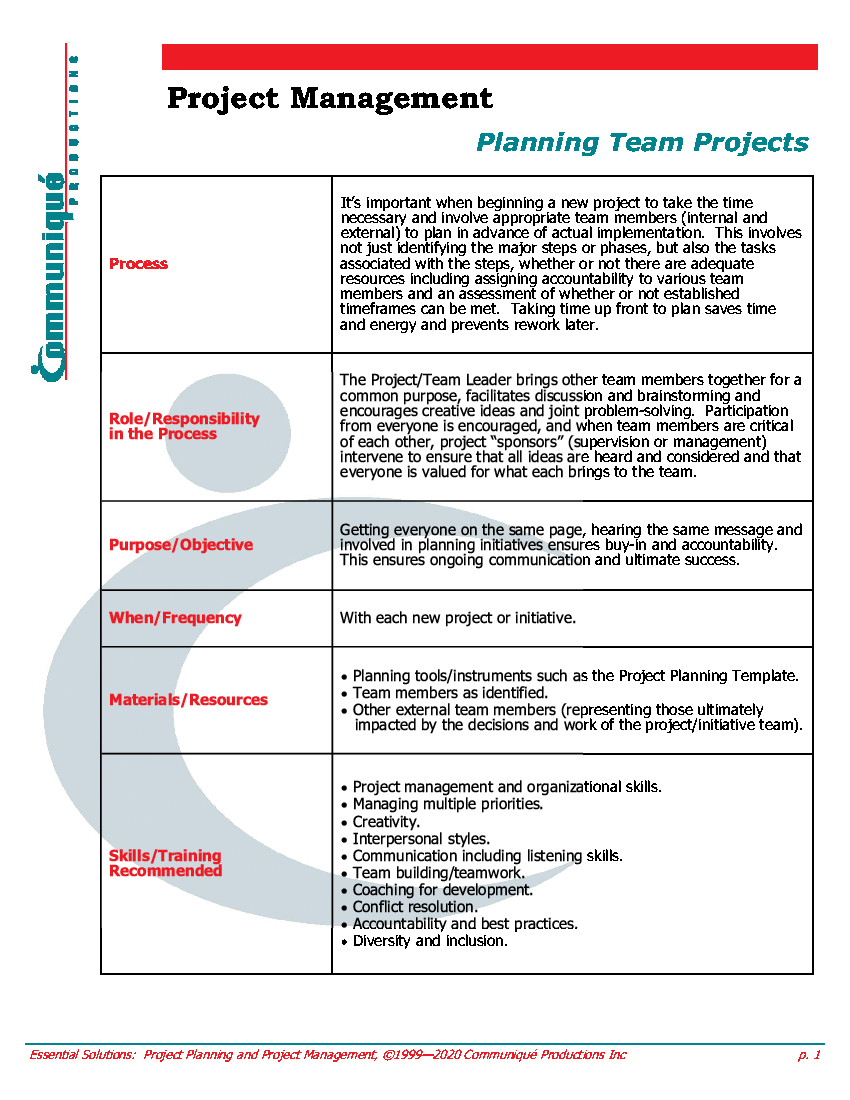 850×1100 planning team projects guidelines template from flevy.com
  800×851 project team collaboration from globaldev.tech
  1200×673 project team collaboration templates google sheets from slidesdocs.com
  728×942 collaborationplantemplate from www.slideshare.net
  736×568 sample project plan shown document from www.pinterest.ca
  2230×1400 collaboration strategy plan template from www.cascade.app
  1024×1024 priority matrix template design team collaboration project from sync.appfluence.com
  1000×1500 guide project team collaboration sharepoint sharepoint from www.pinterest.com
  961×540 team collaboration project management insights kelly from desklib.com
 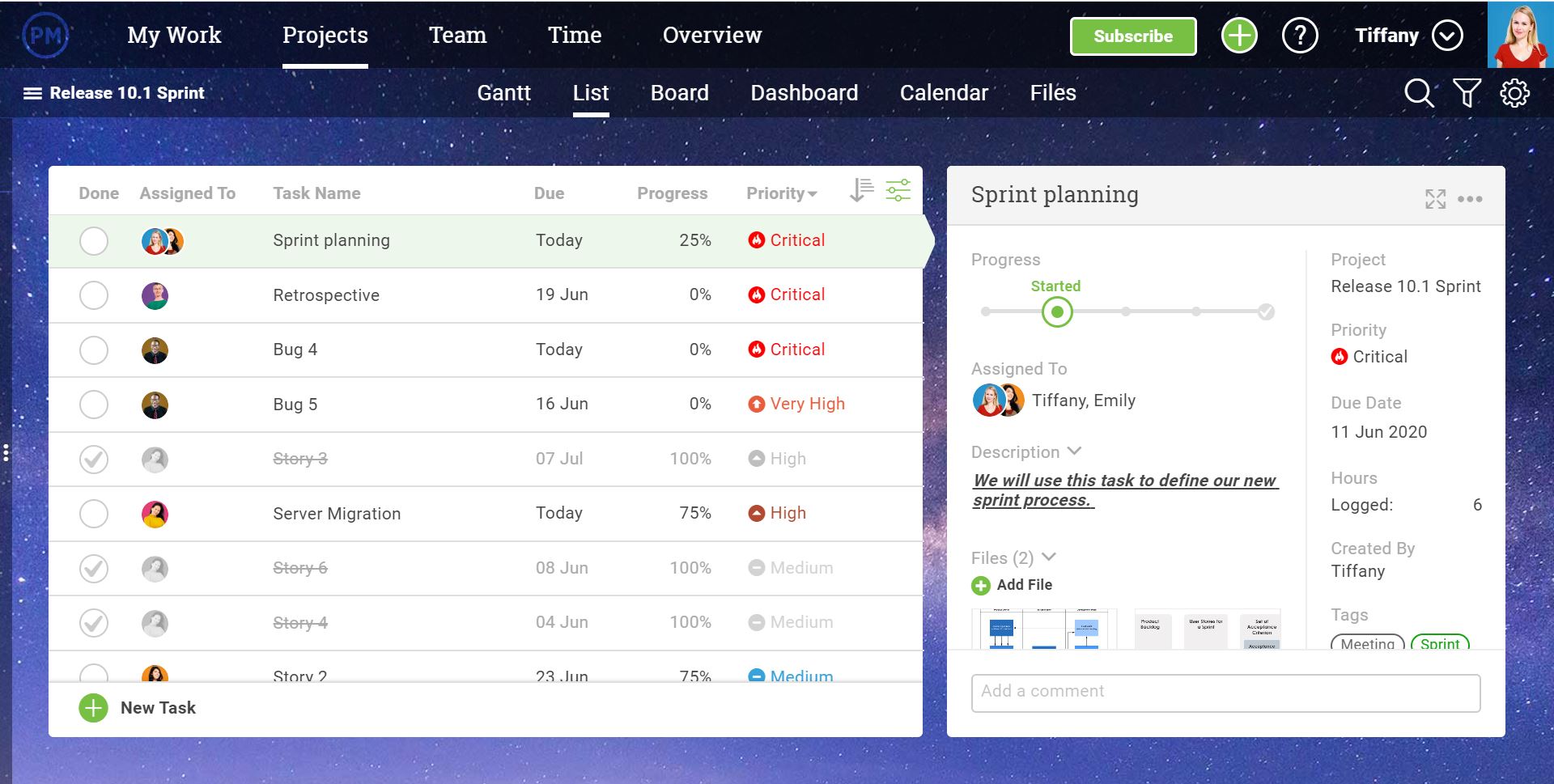 1920×969 communication plan template projectmanagercom from www.projectmanager.com
  1024×565 project team collaboration tips keys success from fluentboards.com
  638×826 team project plan sample from www.slideshare.net
  2550×3300 team plan from www.bizzlibrary.com
  1920×1152 team project planner interior template vector art vecteezy from www.vecteezy.com
  1280×720 official team collaboration plan team building exercises chart clipart from www.slidegeeks.com
 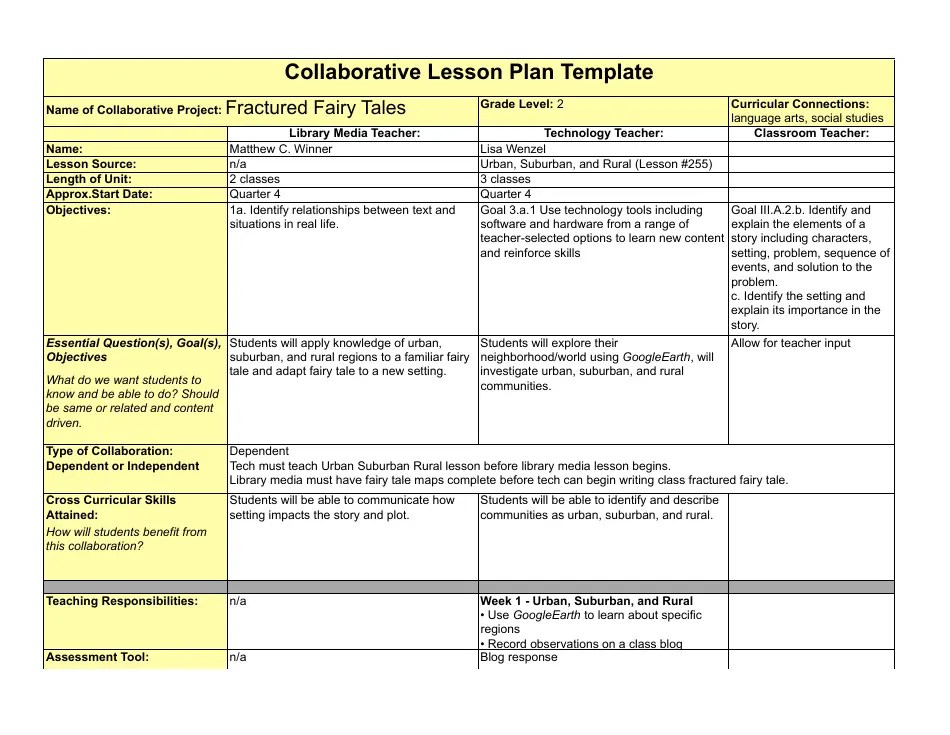 950×735 collaborative lesson plan template printable templateroller from www.templateroller.com
 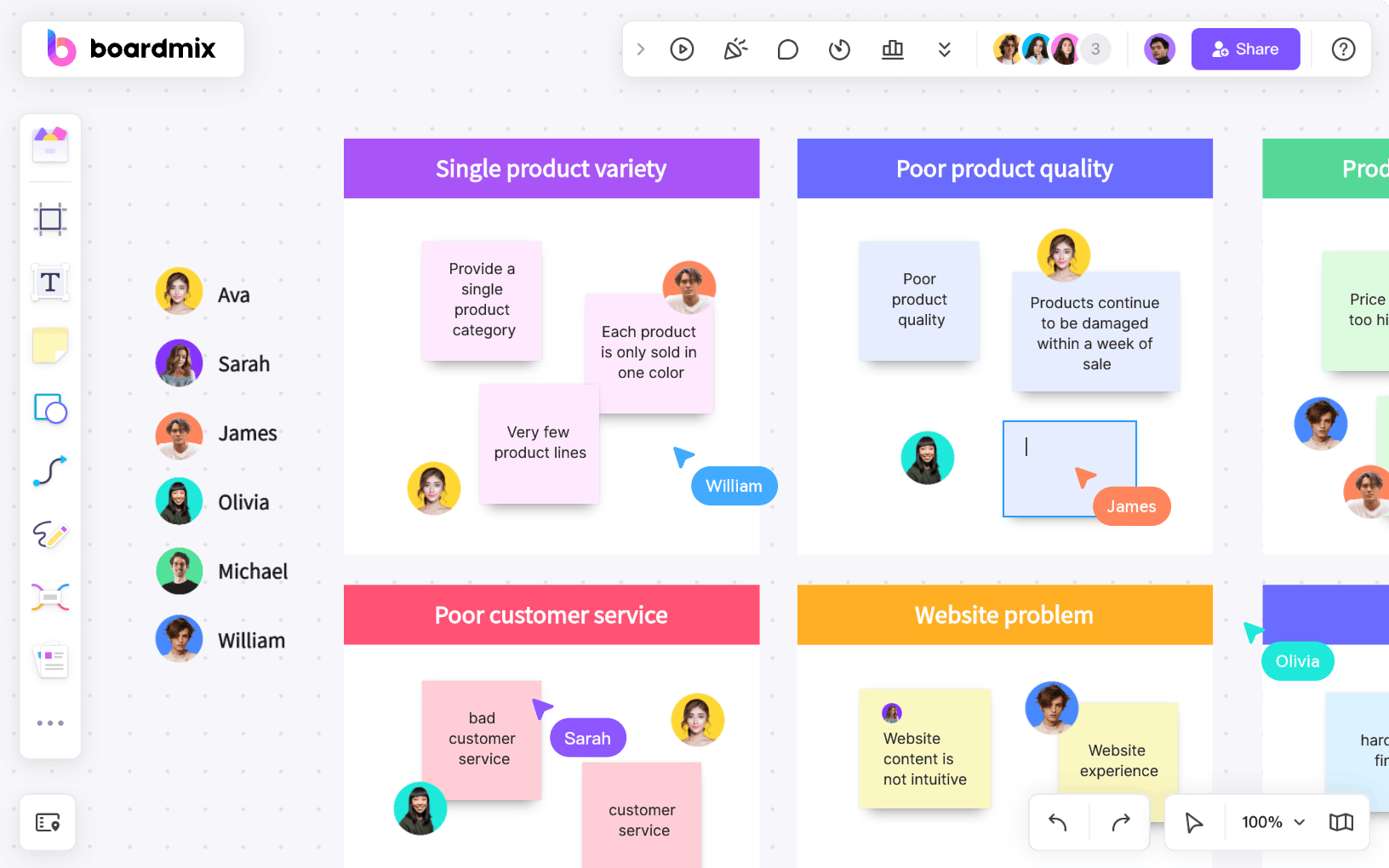 1632×1020 project plan timeline template organizing tasks success from boardmix.com
  180×234 creating collaborative project plan team assignments hero from www.coursehero.com
  1500×1125 team project plan mekko graphics from www.mekkographics.com
  1280×720 project team collaboration powerpoint template from pptinfographics.com
  1024×1446 project team work plan template word google docs pages from www.pinterest.com.mx
  1280×720 official team collaboration plan selecting method assessing team from www.slidegeeks.com
  1238×966 printable project team communication planner from www.sampletemplatess.com
  1200×628 guide project team collaboration artofit from www.artofit.org
  1179×1200 team project collaboration design card deck collaboration store from collaborationstore.com
  3497×1960 teamwork collaboration project planning business team meeting from www.vecteezy.com
 ) 2160×1215 essential project collaboration guide team teamworkcom from www.teamwork.com
2160×1215 essential project collaboration guide team teamworkcom from www.teamwork.com  1280×720 teams collaboration assembling team project brochure from www.slidegeeks.com
  700×602 efficient collaboration strategies successful team project planning from pikbest.com
  1280×720 official team collaboration plan timeline layouts structure from www.slidegeeks.com
  800×640 team collaboration templates remote work from snacknation.com
 .png) 2621×1446 collaboration form template prntblconcejomunicipaldechinugovco from prntbl.concejomunicipaldechinu.gov.co
2621×1446 collaboration form template prntblconcejomunicipaldechinugovco from prntbl.concejomunicipaldechinu.gov.co  1280×731 transforming team collaboration creative project planning from allo.io


Project Plan Template For Team Collaboration :
Project Plan Template For Team Collaboration was posted in October 21, 2025 at 12:55 pm. If you wanna have it as yours, please click the Pictures and you will go to click right mouse then Save Image As and Click Save and download the Project Plan Template For Team Collaboration Picture.. Don’t forget to share this picture with others via Facebook, Twitter, Pinterest or other social medias! we do hope you'll get inspired by SampleTemplates123... Thanks again! If you have any DMCA issues on this post, please contact us!