Personal Development Plan Template For Professionals
Personal Development Plan Template for Professionals
A Personal Development Plan (PDP) is a roadmap for achieving your professional goals. It outlines the skills, knowledge, and experiences you need to acquire to progress in your career. This template provides a structured approach to creating an effective PDP.
I. Self-Assessment: Understanding Your Current Position
A. Skills Assessment
Start by honestly evaluating your current skills. This involves identifying your strengths and weaknesses related to your desired career path. Consider both hard skills (technical expertise) and soft skills (communication, leadership, teamwork). Use the following categories as a guide:
- Technical Skills: List the specific technical skills you possess and their proficiency level (e.g., proficient in Python, intermediate in data analysis). Identify areas where you need improvement or new skills to acquire.
- Communication Skills: Assess your verbal and written communication abilities. Do you effectively convey information to different audiences? Are you a good listener?
- Leadership Skills: Evaluate your ability to motivate and guide others. Do you take initiative? Can you delegate tasks effectively?
- Teamwork Skills: Consider your ability to collaborate with others, resolve conflicts, and contribute to a team’s success.
- Problem-Solving Skills: Assess your ability to analyze problems, identify solutions, and implement them effectively.
- Time Management Skills: Evaluate your ability to prioritize tasks, manage your time effectively, and meet deadlines.
Use a rating scale (e.g., 1-5, with 1 being “needs significant improvement” and 5 being “expert”) to assess each skill area. This will provide a clear visual representation of your current skill set.
B. Strengths and Weaknesses
Based on your skills assessment, identify your top 3-5 strengths and your top 3-5 weaknesses. Be specific and provide examples to support your assessment. For example:
- Strength: Strong presentation skills – consistently receive positive feedback on presentations delivered to clients.
- Weakness: Difficulty delegating tasks – often feel the need to control all aspects of a project, leading to burnout.
C. Values and Interests
Reflect on your core values and what genuinely interests you in your profession. Understanding what motivates you will help you align your development plan with your passions, making it more sustainable and fulfilling. Consider questions like:
- What aspects of your job do you find most rewarding?
- What activities make you feel energized and engaged?
- What are your non-negotiable values in the workplace?
II. Goal Setting: Defining Your Future Aspirations
A. Short-Term Goals (1-2 Years)
Define specific, measurable, achievable, relevant, and time-bound (SMART) goals you want to achieve in the next 1-2 years. These goals should be directly related to your current role and career trajectory. Examples include:
- Goal: Obtain certification in Project Management Professional (PMP) within 18 months.
- Specific: PMP certification
- Measurable: Achieve passing score on the PMP exam.
- Achievable: Allocate study time and resources to prepare for the exam.
- Relevant: PMP certification will enhance project management skills and career prospects.
- Time-bound: Obtain certification within 18 months.
- Goal: Improve public speaking skills by presenting at two industry conferences within the next year.
B. Long-Term Goals (3-5 Years)
Outline your long-term career aspirations. Where do you see yourself in 3-5 years? What roles do you aspire to hold? What impact do you want to make in your field? Examples include:
- Goal: Advance to a leadership role, such as team lead or project manager, within 5 years.
- Goal: Become a recognized expert in a specific area of your field, such as cybersecurity or data science.
C. Alignment with Organizational Goals
Ensure your personal development goals align with the goals of your organization. Demonstrating how your growth contributes to the company’s success will increase buy-in from your manager and potentially unlock opportunities for training and development.
III. Action Plan: Mapping Your Path to Success
A. Identify Development Activities
For each goal, identify specific activities you will undertake to achieve it. These activities should be concrete and actionable. Examples include:
- Coursework/Training: Enroll in relevant courses, workshops, or online programs.
- Mentorship: Seek guidance from experienced professionals in your field.
- Networking: Attend industry events and build relationships with peers and potential mentors.
- On-the-Job Training: Seek opportunities to work on projects that will allow you to develop new skills.
- Reading/Research: Stay up-to-date on industry trends by reading books, articles, and blogs.
B. Timeline and Milestones
Create a timeline with specific milestones for each activity. This will help you stay on track and monitor your progress. Break down larger activities into smaller, more manageable tasks.
C. Resources and Support
Identify the resources you will need to support your development activities. This may include financial resources for training, time off from work, or access to specific tools or technologies. Also, identify individuals who can provide support, such as your manager, mentor, or colleagues.
IV. Review and Evaluation: Tracking Your Progress
A. Regular Check-ins
Schedule regular check-ins with yourself (and your manager, if applicable) to review your progress. These check-ins should be at least quarterly, but more frequent reviews may be necessary depending on the complexity of your goals.
B. Performance Measurement
Track your progress against your defined milestones. Are you on track to achieve your goals? If not, identify the reasons why and adjust your action plan accordingly.
C. Adjustments and Flexibility
Be prepared to adjust your PDP as needed. Your priorities and goals may change over time, and it’s important to remain flexible and adaptable. Regularly reassess your skills, values, and interests to ensure your PDP remains relevant and aligned with your aspirations.
V. Example Template Outline
| Goal | Activity | Timeline | Resources Needed | Progress | Notes |
|---|---|---|---|---|---|
| Obtain PMP Certification | Enroll in a PMP prep course. | Within 1 month | Course fee, study materials. | Enrolled. | Choose a reputable provider. |
| Obtain PMP Certification | Study for 2 hours per day. | Ongoing (6 months) | Time, quiet study space. | Ongoing. | Schedule study time in calendar. |
| Improve public speaking skills | Join Toastmasters. | Within 2 weeks | Toastmasters membership fee. | Joined. | Attend meetings regularly. |
| Improve public speaking skills | Present at club meetings. | Monthly | Time, presentation topics. | Ongoing. | Solicit feedback from members. |
By following this template and consistently working on your personal development, you can significantly enhance your career prospects and achieve your professional aspirations.
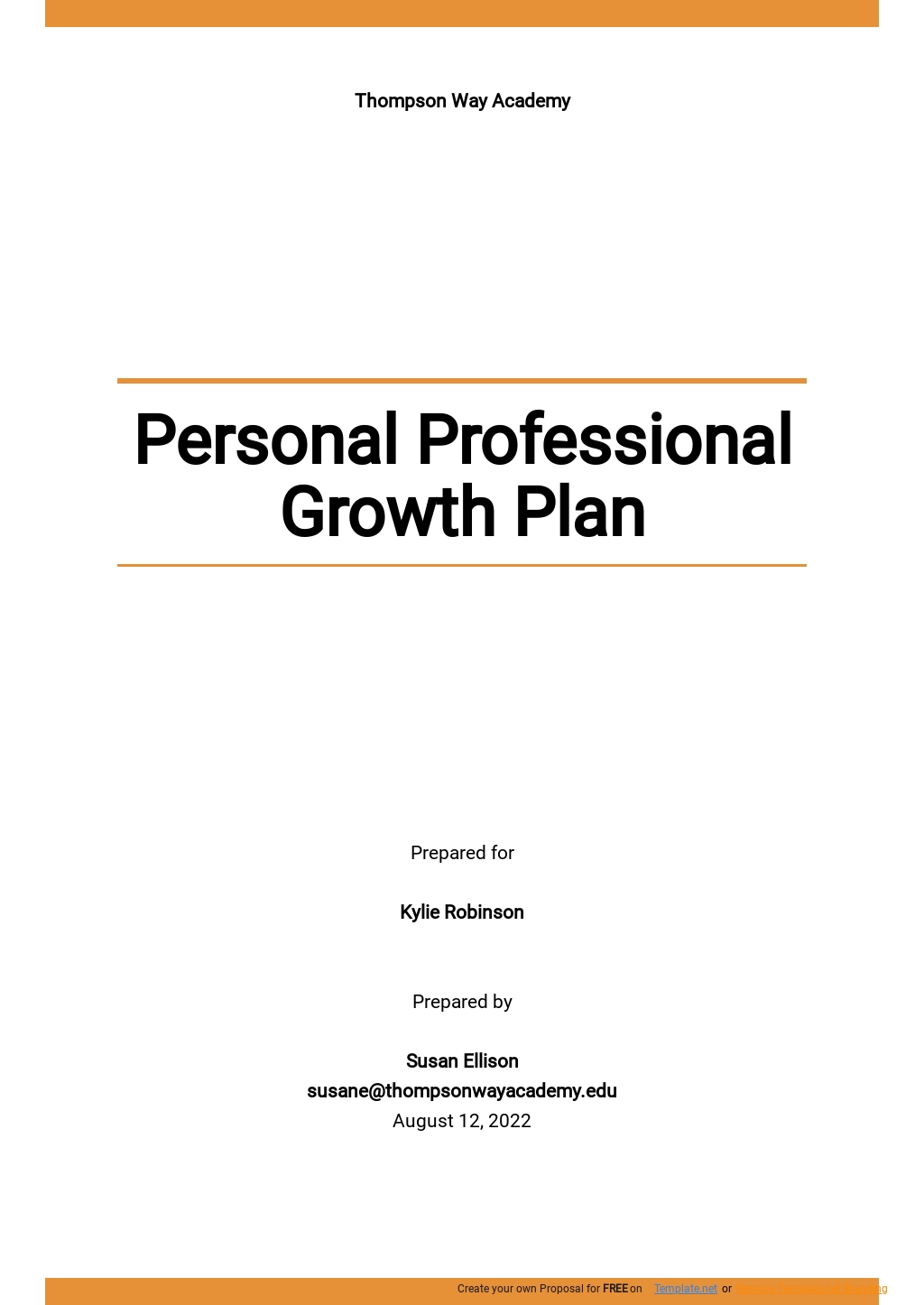 1024×1446 personal professional development plan template google docs word from www.template.net
  900×1273 personal professional development plan edit fill sign from handypdf.com
 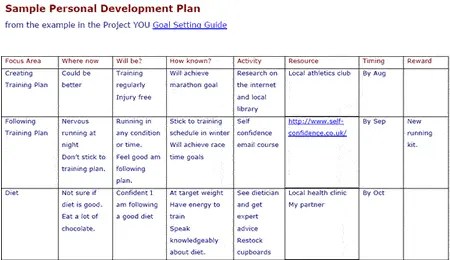 450×260 top personal development plan templates word templates excel from www.docspile.com
  680×832 professional development plan template word documents from www.template.net
  680×876 personal development plan templates word excel from www.wordpdftemplates.com
 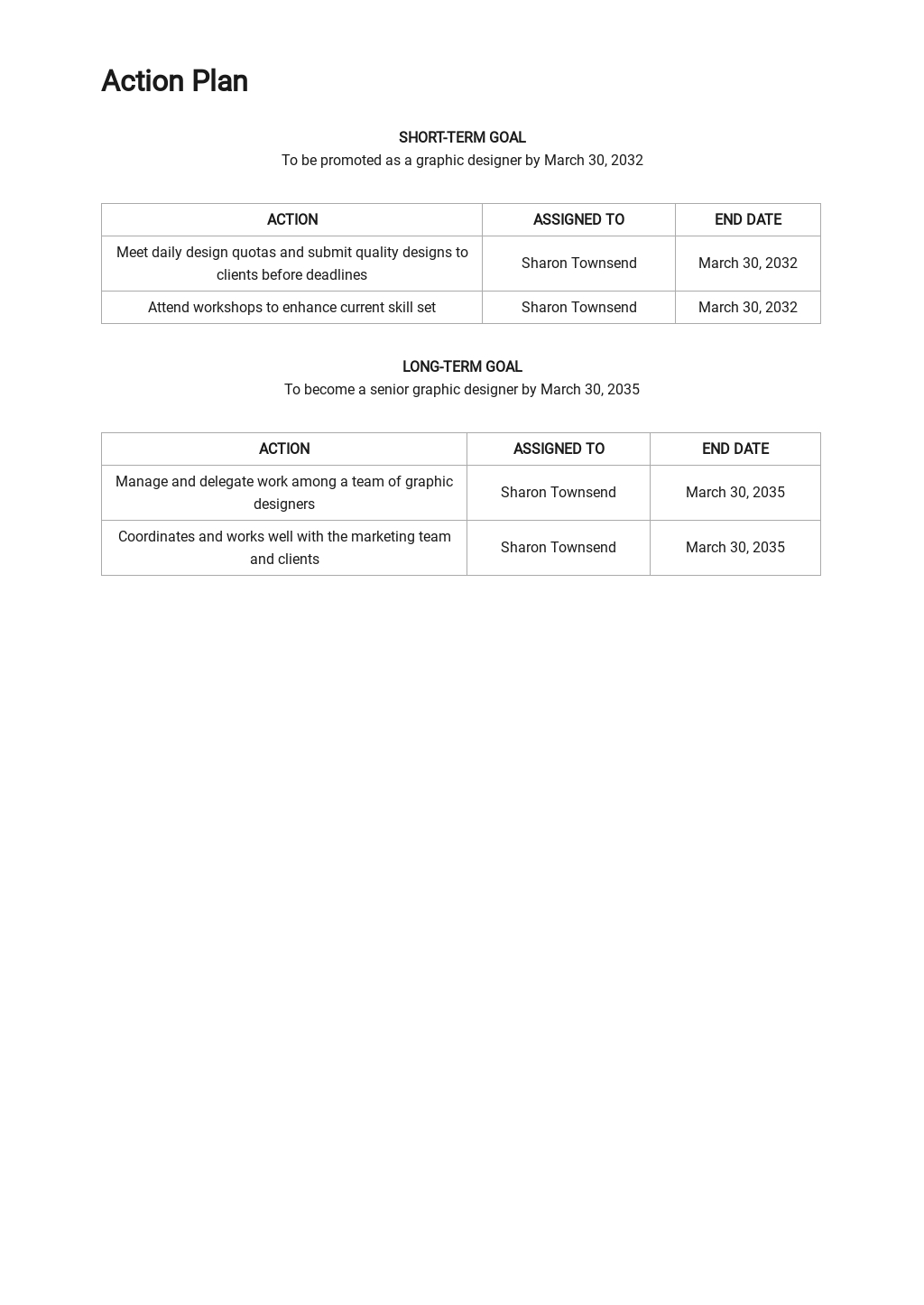 1024×1446 individual professional development plan template google docs word from www.template.net
  2550×3300 individual personal development plan templates from www.allbusinesstemplates.com



Personal Development Plan Template For Professionals :
Personal Development Plan Template For Professionals was posted in November 15, 2025 at 7:11 am. If you wanna have it as yours, please click the Pictures and you will go to click right mouse then Save Image As and Click Save and download the Personal Development Plan Template For Professionals Picture.. Don’t forget to share this picture with others via Facebook, Twitter, Pinterest or other social medias! we do hope you'll get inspired by SampleTemplates123... Thanks again! If you have any DMCA issues on this post, please contact us!