Skill Development Plan Template
Skill Development Plan Template: A Comprehensive Guide
A Skill Development Plan (SDP) is a crucial tool for individuals and organizations seeking continuous growth and improvement. It’s a structured roadmap that identifies specific skills to develop, outlines strategies for acquiring those skills, and sets timelines for achievement. This template provides a framework for creating an effective SDP, enabling you to enhance your capabilities and reach your full potential.
I. Introduction & Overview
This section sets the stage for the entire plan. It should briefly introduce the purpose of the SDP and its intended outcomes. It should also include some basic background information on the individual or team the plan is for.
- Plan Title: Give your plan a clear and concise title (e.g., “Skill Development Plan for Project Management”).
- Individual/Team Name: Clearly identify who the plan is for.
- Date: Note the date the plan was created or last updated.
- Purpose: A brief statement outlining the overall goal of the SDP (e.g., “To enhance project management skills to improve project delivery timelines and quality”).
- Context: Briefly describe the context of this skill development. Why is it important for the individual, team, or organization?
II. Skill Assessment & Gap Analysis
This is the foundation of the SDP. A thorough skill assessment helps identify current strengths and areas needing improvement. The gap analysis then compares the current skill level with the desired skill level.
- Desired Skills: List the specific skills you want to develop. These should be directly related to your goals (e.g., “Project Planning,” “Risk Management,” “Stakeholder Communication”).
- Importance Rating: Assign a rating (e.g., High, Medium, Low) to each desired skill based on its importance to your overall objectives. This helps prioritize development efforts.
- Current Skill Level: Assess your current proficiency in each desired skill. Use a consistent rating scale (e.g., Beginner, Intermediate, Advanced, Expert). Be honest and objective in your assessment. Consider seeking feedback from colleagues or supervisors.
- Desired Skill Level: Define the level of proficiency you want to achieve in each skill. This should be realistic and aligned with your goals.
- Skill Gap: Calculate the difference between your current and desired skill levels. This highlights the specific areas where you need to focus your development efforts.
- Gap Analysis Summary: A concise summary of the most significant skill gaps identified and their potential impact. This section should highlight the priority areas for development.
III. Skill Development Goals & Objectives
Based on the gap analysis, define specific, measurable, achievable, relevant, and time-bound (SMART) goals for each skill. Objectives should be smaller, actionable steps that contribute to achieving the overall goal.
- Skill Area: State the skill area you’re focusing on (e.g., “Stakeholder Communication”).
- Goal: Define a SMART goal for that skill area. For example: “Improve stakeholder communication skills to effectively manage expectations and build stronger relationships with key project stakeholders by the end of Q3.”
- Objectives: List the specific, measurable actions you’ll take to achieve the goal. Examples:
- “Attend a stakeholder communication workshop by the end of June.”
- “Practice active listening techniques in at least 5 stakeholder meetings per month.”
- “Develop a stakeholder communication plan for the next major project by the end of Q2.”
- Timeline: Assign a realistic deadline for achieving each objective and the overall goal.
- Resources Required: Identify any resources needed to achieve the goal and objectives (e.g., training courses, books, mentoring, software).
IV. Development Activities & Strategies
This section outlines the specific activities and strategies you’ll use to develop the identified skills. It should be practical and tailored to your learning style and available resources.
- Activity Type: Categorize the development activity (e.g., Training, Mentoring, Self-Study, On-the-Job Training).
- Description: Provide a detailed description of the activity, including what it entails and how it will contribute to skill development. For example, “Attend a 2-day project management training course focused on risk management best practices.”
- Start Date: The date you plan to begin the activity.
- End Date: The expected completion date of the activity.
- Resources: List specific resources needed for the activity (e.g., course materials, mentor’s time, online resources, budget).
- Responsible Person: Identify who is responsible for completing the activity (usually the individual whose skills are being developed).
- Progress Tracking: Establish a method for tracking progress on each activity (e.g., completion dates, milestones, supervisor check-ins).
V. Measurement & Evaluation
This section defines how you’ll measure the success of the SDP and evaluate the progress made. It ensures that the plan is effective and provides opportunities for adjustments along the way.
- Key Performance Indicators (KPIs): Define specific, measurable indicators that will demonstrate skill improvement. Examples: “Improved stakeholder satisfaction scores,” “Reduction in project delays due to communication breakdowns,” “Successful completion of project risk assessments.”
- Evaluation Methods: Describe the methods you’ll use to measure the KPIs. Examples: “Stakeholder surveys,” “Project performance reports,” “Supervisor feedback,” “Self-assessment.”
- Frequency of Evaluation: Determine how often you’ll evaluate progress (e.g., monthly, quarterly).
- Evaluation Criteria: Define the specific criteria that will be used to assess whether the goals have been achieved.
- Reporting Mechanism: Outline how the evaluation results will be documented and reported (e.g., progress reports, performance reviews).
VI. Review & Revision
The SDP should be a living document that is regularly reviewed and revised as needed. This ensures that the plan remains relevant and effective.
- Review Frequency: How often will the SDP be reviewed (e.g., monthly, quarterly)?
- Review Participants: Who will be involved in the review process (e.g., individual, supervisor, mentor)?
- Revision Process: Describe the process for making revisions to the SDP based on the review findings.
- Revision History: Maintain a record of all revisions made to the SDP, including the date, changes made, and reasons for the changes.
VII. Support & Resources
Identify the support and resources available to facilitate the successful implementation of the SDP. This could include mentors, training programs, budget allocations, or access to specific tools and technologies.
- Mentorship: Identify any mentors who can provide guidance and support.
- Training Programs: List relevant training programs and resources.
- Budget: Specify the budget allocated for skill development activities.
- Tools & Technologies: List any tools or technologies that will be used.
- Other Support: Identify any other forms of support available (e.g., coaching, peer learning).
Conclusion
By following this Skill Development Plan template, you can create a structured and effective roadmap for enhancing your skills and achieving your professional goals. Remember to be specific, realistic, and committed to the process. Regular review and revision will ensure that your SDP remains relevant and helps you stay on track towards continuous growth and development.
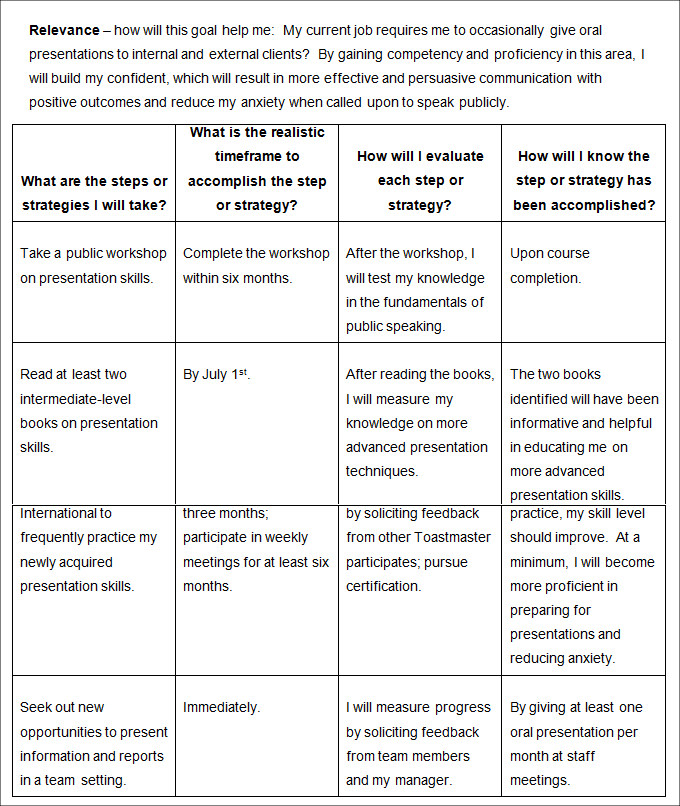 680×806 professional development plan template word documents from template.net
  680×852 professional development plan template word documents from www.template.net


Skill Development Plan Template :
Skill Development Plan Template was posted in December 8, 2025 at 6:33 am. If you wanna have it as yours, please click the Pictures and you will go to click right mouse then Save Image As and Click Save and download the Skill Development Plan Template Picture.. Don’t forget to share this picture with others via Facebook, Twitter, Pinterest or other social medias! we do hope you'll get inspired by SampleTemplates123... Thanks again! If you have any DMCA issues on this post, please contact us!