Weight Gain Plan Template
Weight Gain Plan Template: A Comprehensive Guide
Gaining weight, particularly muscle mass, requires a strategic approach. This template outlines a comprehensive plan, covering nutrition, training, and recovery, to help you achieve your weight gain goals effectively and healthily. Remember to consult with a healthcare professional or registered dietitian before starting any new weight gain program.
I. Goal Setting & Assessment
1. Define Your Goal: Be specific. Instead of “I want to gain weight,” aim for “I want to gain 10 pounds of lean muscle mass in 12 weeks.” This allows for measurable progress and keeps you motivated. 2. Current State Assessment: * **Weight:** Accurately weigh yourself at the same time each day for a week, then calculate the average. * **Body Composition:** Consider a body composition analysis (e.g., DEXA scan, bioelectrical impedance) to determine your current muscle mass and body fat percentage. This will help you track progress beyond just the scale. * **Caloric Intake:** Track your current daily caloric intake for a week using a food tracking app or journal. Be honest and thorough. * **Activity Level:** Assess your daily activity level (sedentary, lightly active, moderately active, very active) to estimate your basal metabolic rate (BMR) and Total Daily Energy Expenditure (TDEE). 3. Calculate Caloric Surplus:** To gain weight, you need to consume more calories than you burn. A surplus of 250-500 calories per day is a good starting point. This translates to roughly 0.5-1 pound of weight gain per week. Use an online calculator or consult with a professional to determine your estimated TDEE and adjust your caloric intake accordingly.
II. Nutritional Plan
1. Macronutrient Ratio: Aim for a macronutrient distribution that supports muscle growth: * Protein: 1.6-2.2 grams per kilogram of body weight (0.7-1 gram per pound). Protein is crucial for muscle repair and growth. * Carbohydrates: 4-5 grams per kilogram of body weight (1.8-2.3 grams per pound). Carbs provide energy for workouts and help replenish glycogen stores. * Fats: 0.8-1 gram per kilogram of body weight (0.36-0.45 grams per pound). Healthy fats are essential for hormone production and overall health. 2. Food Choices: Focus on nutrient-dense, whole foods: * Protein Sources: Lean meats (chicken, turkey, beef), fish (salmon, tuna), eggs, dairy (Greek yogurt, cottage cheese), legumes (beans, lentils), tofu, tempeh. * Carbohydrate Sources: Whole grains (brown rice, quinoa, oats), fruits (bananas, berries, apples), vegetables (sweet potatoes, broccoli, spinach), starchy vegetables (potatoes). * Fat Sources: Avocados, nuts (almonds, walnuts), seeds (chia, flax), olive oil, fatty fish. 3. Meal Frequency and Timing: Aim for 4-6 meals per day, spaced evenly throughout the day. * Pre-Workout Meal: Consume a meal containing carbohydrates and protein 1-2 hours before your workout to provide energy and fuel muscle growth. * Post-Workout Meal: Consume a meal containing protein and carbohydrates within 1-2 hours after your workout to replenish glycogen stores and promote muscle recovery. Whey protein shakes are a convenient option. * Before Bed: Consider consuming a slow-digesting protein source (e.g., casein protein, cottage cheese) before bed to help prevent muscle breakdown during sleep. 4. Hydration: Drink plenty of water throughout the day. Aim for at least 8 glasses (64 ounces). 5. Supplementation (Optional): While not essential, certain supplements can support weight gain: * Creatine: Enhances muscle strength and power, leading to improved workout performance. * Whey Protein: A convenient and easily digestible protein source. * Weight Gainers: High-calorie supplements containing protein, carbohydrates, and fats. Use with caution, as they can contribute to excessive fat gain if not managed properly. * Multivitamin: Ensures you are meeting your micronutrient needs. 6. Sample Meal Plan (adjust based on individual caloric needs): * Breakfast: Oatmeal with berries, nuts, and protein powder. * Mid-Morning Snack: Greek yogurt with fruit and granola. * Lunch: Chicken breast with brown rice and steamed vegetables. * Pre-Workout Snack: Banana with peanut butter. * Post-Workout Meal: Whey protein shake with a banana. * Dinner: Salmon with quinoa and roasted vegetables. * Before Bed: Cottage cheese with a handful of almonds.
III. Training Plan
1. Focus on Compound Exercises: Prioritize exercises that work multiple muscle groups simultaneously: * Squats * Deadlifts * Bench Press * Overhead Press * Rows 2. Progressive Overload: Gradually increase the weight, reps, or sets you lift over time. This is crucial for stimulating muscle growth. 3. Training Frequency: Aim for 3-5 weight training sessions per week, allowing for adequate rest between sessions. 4. Sample Training Split: * Monday: Upper Body (Chest, Shoulders, Triceps) * Tuesday: Lower Body (Quads, Hamstrings, Calves) * Wednesday: Rest * Thursday: Upper Body (Back, Biceps) * Friday: Lower Body (Glutes, Hamstrings) * Saturday/Sunday: Rest or Active Recovery (light cardio, stretching) 5. Rep Range: Focus on a rep range of 6-12 for most exercises. This range is generally considered optimal for muscle hypertrophy (growth). 6. Rest Periods: Allow for 60-90 seconds of rest between sets. 7. Cardio: Limit cardio to 1-2 sessions per week, focusing on low-intensity activities like walking or cycling. Excessive cardio can interfere with weight gain.
IV. Recovery
1. Sleep: Aim for 7-9 hours of quality sleep per night. Sleep is essential for muscle recovery and growth. 2. Stress Management: Manage stress levels through techniques like meditation, yoga, or spending time in nature. High stress levels can negatively impact hormone production and muscle growth. 3. Active Recovery: Incorporate active recovery activities like stretching, foam rolling, or light cardio to improve blood flow and reduce muscle soreness.
V. Monitoring and Adjustments
1. Track Progress: Weigh yourself weekly, take progress photos, and monitor your body composition regularly. 2. Adjust Caloric Intake: If you are not gaining weight at the desired rate, increase your caloric intake by 100-200 calories per day. 3. Adjust Training Plan: If you are not seeing progress in your strength or muscle size, consider adjusting your training plan, either by increasing the weight you are lifting, changing the exercises you are performing, or increasing the training frequency. 4. Listen to Your Body: Pay attention to your body and adjust your plan as needed. Don’t be afraid to take rest days when you need them. 5. Seek Professional Guidance: Consult with a healthcare professional, registered dietitian, or certified personal trainer for personalized guidance and support. This template provides a framework for developing a weight gain plan. Remember to tailor the plan to your individual needs, goals, and preferences. Consistency, patience, and dedication are key to achieving sustainable weight gain. Good luck!
 728×943 weight gain diet template from www.formsbirds.com
 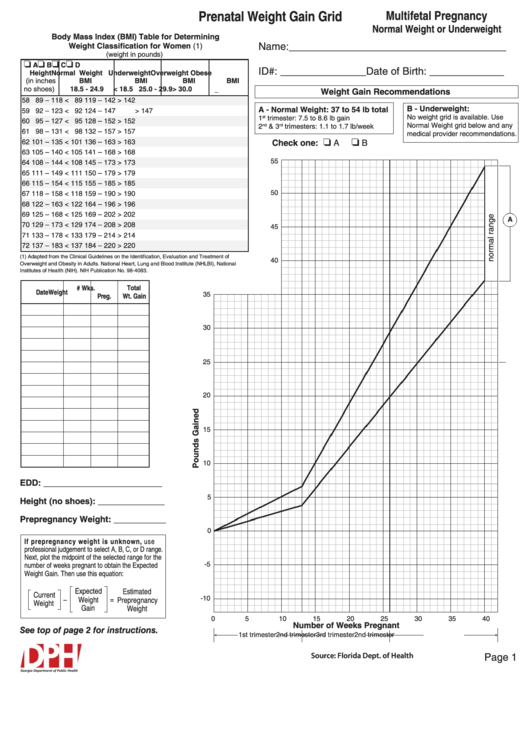 530×749 prenatal weight gain grid template printable from www.formsbank.com
  800×1088 gain weight healthy meal plan wwwthelifestylecurecom from thelifestylecure.com
  1068×1371 healthy healthy weight gain meal plan underweight from www.printabledietplan.com


Weight Gain Plan Template :
Weight Gain Plan Template was posted in May 27, 2025 at 1:16 am. If you wanna have it as yours, please click the Pictures and you will go to click right mouse then Save Image As and Click Save and download the Weight Gain Plan Template Picture.. Don’t forget to share this picture with others via Facebook, Twitter, Pinterest or other social medias! we do hope you'll get inspired by SampleTemplates123... Thanks again! If you have any DMCA issues on this post, please contact us!