Pilates Workout Plan Template
Pilates Workout Plan Template: A Comprehensive Guide
Pilates, a low-impact exercise method, emphasizes core strength, flexibility, and body awareness. A well-structured Pilates workout plan can improve posture, balance, and overall physical well-being. Creating a personalized plan involves understanding your fitness level, goals, and available equipment. This template provides a framework for designing effective Pilates routines, incorporating both beginner-friendly and advanced exercises.
Understanding the Principles of Pilates
Before diving into the workout plan, it’s crucial to grasp the six core principles of Pilates:
- Centering: Activating the core muscles to stabilize the spine and pelvis. This is often visualized as drawing the navel towards the spine.
- Concentration: Paying close attention to each movement and engaging the mind-body connection.
- Control: Performing exercises with precision and deliberate movements, avoiding momentum.
- Precision: Focusing on proper alignment and technique to maximize effectiveness and prevent injury.
- Breath: Coordinating breath with movement to enhance muscle engagement and relaxation. In Pilates, inhalation typically occurs during preparation and exhalation during exertion.
- Flow: Moving smoothly from one exercise to the next, creating a fluid and continuous sequence.
Designing Your Pilates Workout Plan
A structured Pilates workout plan should include the following components:
1. Warm-up (5-10 minutes)
The warm-up prepares the body for exercise by increasing blood flow to the muscles and improving joint mobility. Examples include:
- Pelvic Tilts: Lying on your back with knees bent, gently tilt your pelvis forward and backward, engaging the abdominal muscles.
- Knee Folds: Lying on your back, bring one knee at a time towards your chest, alternating legs.
- Shoulder Rolls: Gently rotate your shoulders forward and backward to loosen up the shoulder muscles.
- Cat-Cow Stretch: On your hands and knees, alternate between arching your back (cat) and dropping your belly (cow) to improve spinal flexibility.
2. Core Exercises (20-30 minutes)
This section focuses on strengthening the core muscles, which are essential for stability and support. Choose exercises based on your fitness level and progress gradually.
Beginner
- The Hundred: Lying on your back with knees bent, lift your head and shoulders slightly off the mat and pump your arms up and down while inhaling for five counts and exhaling for five counts. Repeat 10 times.
- Single Leg Circles: Lying on your back with one leg extended towards the ceiling, make small circles with your leg, keeping your hips stable. Repeat 5-10 times in each direction on each leg.
- Roll-Up Prep: Lying on your back with arms extended overhead, inhale to prepare and exhale to slowly curl your head, neck, and shoulders off the mat, reaching towards your knees. Inhale to hold, then exhale to slowly lower back down. Repeat 5-10 times.
- Leg Slides: Lie on your back with knees bent and feet flat on the floor. Engage your core and slowly slide one leg out straight, keeping your hips stable. Return to the starting position and repeat on the other side. Perform 10-12 repetitions per leg.
Intermediate
- Roll-Up: Start lying on your back with arms extended overhead. Inhale to prepare and exhale to slowly curl up, reaching towards your toes. Inhale to hold, then exhale to slowly lower back down. Repeat 5-10 times.
- Double Leg Stretch: Lying on your back with knees bent and hands on your shins, lift your head and shoulders slightly off the mat. Extend your arms and legs away from each other, then circle your arms around and return to the starting position. Repeat 10-15 times.
- Criss Cross: Lying on your back with hands behind your head and knees bent, lift your head and shoulders slightly off the mat. Rotate your torso, bringing your elbow towards the opposite knee while extending the other leg straight. Alternate sides. Repeat 10-15 times per side.
- Teaser Prep: Begin seated with knees bent and feet flat on the floor. Reach your arms forward and tilt your pelvis back, engaging your core. Hold for a few breaths, maintaining the c-curve in your spine, and slowly return to the starting position. Repeat 5-8 times.
Advanced
- Teaser: Start lying on your back with arms extended overhead and legs extended towards the ceiling. Inhale to prepare and exhale to lift your head, shoulders, and legs simultaneously, balancing on your tailbone. Inhale to hold, then exhale to slowly lower back down. Repeat 5-10 times.
- Rolling Like a Ball: Sit with knees bent and feet slightly off the floor, holding onto your ankles. Round your back and inhale to roll back onto your shoulders, then exhale to roll back up to the starting position. Repeat 8-10 times.
- Swan Dive: Lying face down with hands under your shoulders, engage your core and lift your head, chest, and upper back off the mat, keeping your hips on the mat. Hold for a moment, then slowly lower back down. Repeat 8-10 times.
- Jack Knife: Lying on your back with arms by your sides, lift your legs straight up towards the ceiling. Use your core to lift your hips off the mat, bringing your legs over your head. Slowly lower your hips back down, controlling the movement. Repeat 5-8 times.
3. Flexibility and Stretching (10-15 minutes)
Stretching improves flexibility, reduces muscle soreness, and enhances overall range of motion. Hold each stretch for 20-30 seconds.
- Hamstring Stretch: Sit with one leg extended and the other bent, reaching towards your toes.
- Hip Flexor Stretch: Kneel with one leg forward and gently press your hips forward.
- Quad Stretch: Stand and hold onto your foot, pulling your heel towards your glutes.
- Spinal Twist: Sit with legs extended or crossed, and twist your torso to one side.
- Child’s Pose: Kneel with your knees wide apart and sit back on your heels, extending your arms forward.
4. Cool-down (5 minutes)
A cool-down helps your body gradually return to its resting state. Include gentle movements and deep breathing.
Sample Weekly Pilates Workout Plan
Here’s a sample workout plan, adaptable to your fitness level:
- Monday: Core Exercises (Beginner/Intermediate/Advanced – choose based on your level)
- Tuesday: Rest or Light Cardio (e.g., walking, swimming)
- Wednesday: Core Exercises (Focus on different exercises than Monday)
- Thursday: Rest or Yoga/Stretching
- Friday: Core Exercises (Include some challenging exercises)
- Saturday: Rest or Active Recovery (e.g., light stretching, foam rolling)
- Sunday: Rest
Tips for Success
- Start Slowly: Begin with beginner-level exercises and gradually progress as your strength and control improve.
- Listen to Your Body: Pay attention to any pain or discomfort and modify exercises as needed.
- Consistency is Key: Aim to do Pilates regularly, even if it’s just for a short period of time.
- Proper Form: Focus on maintaining proper alignment and technique to prevent injury. Watch videos or consult with a certified Pilates instructor for guidance.
- Progression: As you get stronger, increase the number of repetitions, sets, or difficulty of the exercises.
- Stay Hydrated: Drink plenty of water before, during, and after your workout.
By following this Pilates workout plan template and adhering to the core principles, you can create a personalized routine that enhances your core strength, flexibility, and overall well-being. Remember to be patient, consistent, and mindful of your body’s needs as you progress on your Pilates journey.
 691×691 design template postermywall from www.postermywall.com
  510×691 templates pilates workout bigproductstorecom from www.bigproductstore.com
  1000×1080 set pilates workouts design royalty vector image from www.vectorstock.com
 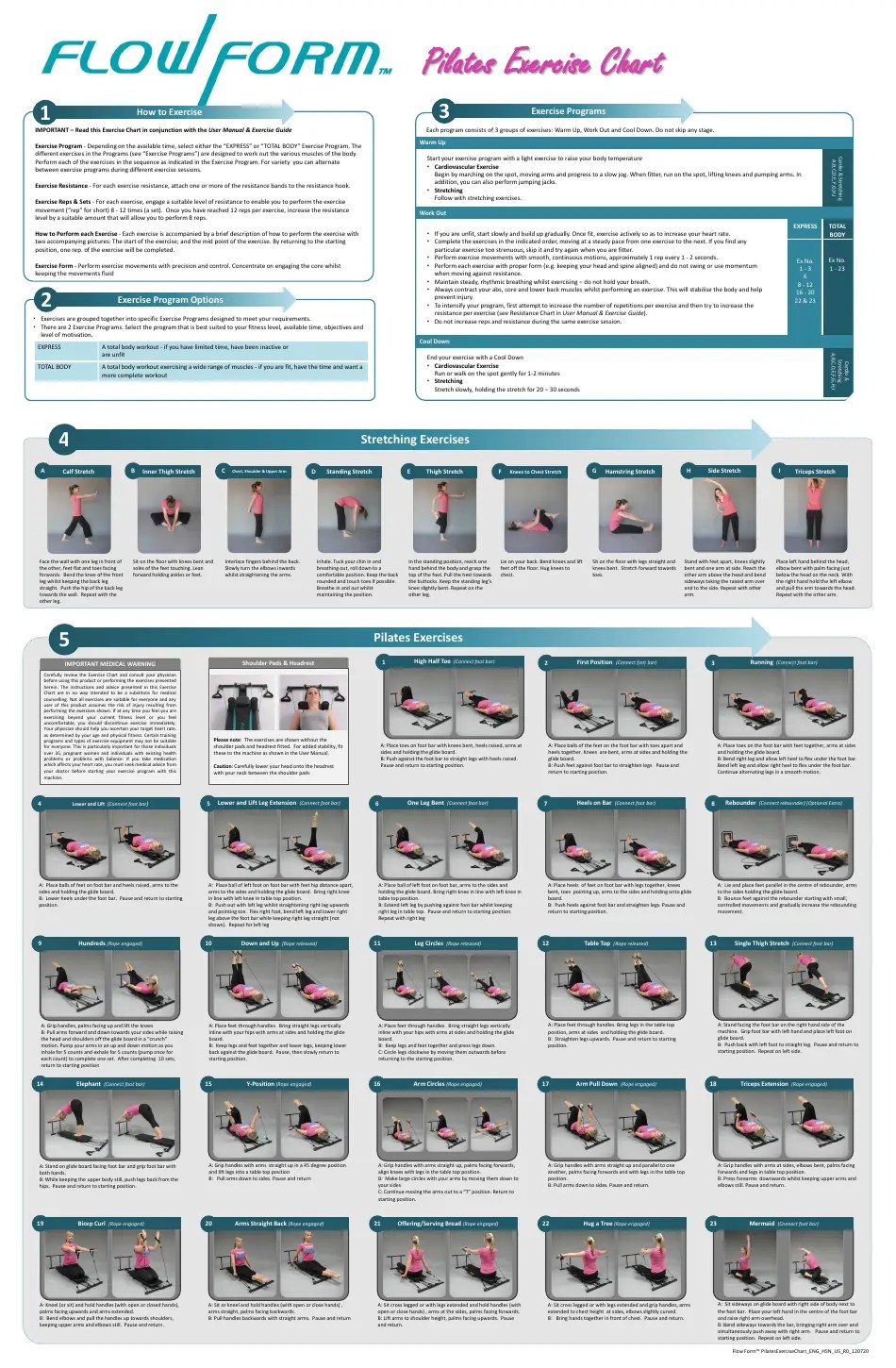 950×1450 pilates exercise chart flow form fill sign from www.templateroller.com
 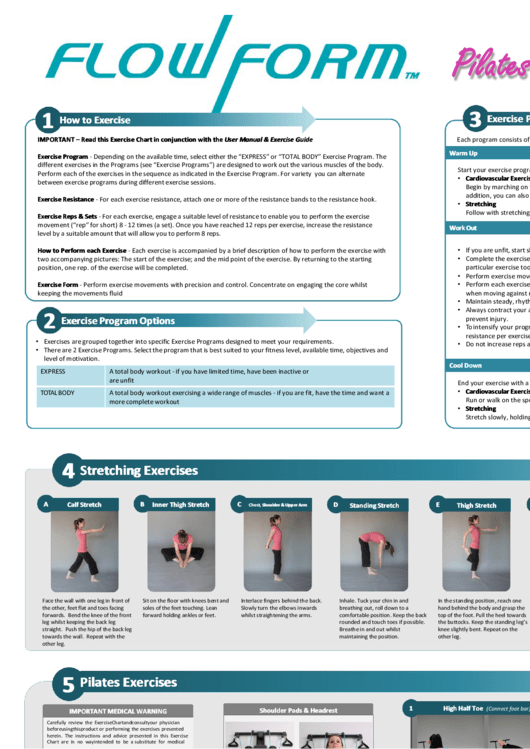 530×749 pilates exercise chart printable from www.formsbank.com
  617×800 images pilates pinterest beginner pilates pilates from www.pinterest.com
  474×677 pilates ideas pilates pilates workout exercise from www.pinterest.com
  600×849 pilates images pinterest from www.pinterest.com



Pilates Workout Plan Template :
Pilates Workout Plan Template was posted in September 7, 2025 at 5:12 am. If you wanna have it as yours, please click the Pictures and you will go to click right mouse then Save Image As and Click Save and download the Pilates Workout Plan Template Picture.. Don’t forget to share this picture with others via Facebook, Twitter, Pinterest or other social medias! we do hope you'll get inspired by SampleTemplates123... Thanks again! If you have any DMCA issues on this post, please contact us!