Half Marathon Training Plan Template
Half Marathon Training Plan Template
Preparing for a half marathon requires dedication and a well-structured training plan. This template provides a framework to guide you towards successfully completing the 13.1-mile race. Remember to adjust the plan based on your current fitness level, experience, and individual needs. Consult with a healthcare professional or running coach before starting any new training program.
Key Components of a Half Marathon Training Plan
A comprehensive half marathon training plan typically includes the following elements:
- Long Runs: Gradually increasing the distance of your longest run each week is crucial for building endurance.
- Easy Runs: These runs should be at a conversational pace, helping you recover and build aerobic base.
- Tempo Runs: Sustained effort runs at a comfortably hard pace, improving your lactate threshold.
- Interval Training: Short bursts of fast running with recovery periods in between, enhancing speed and cardiovascular fitness.
- Cross-Training: Activities like swimming, cycling, or strength training that complement running and prevent injuries.
- Rest and Recovery: Adequate rest is essential for muscle repair and preventing overtraining.
- Strength Training: Focus on exercises that strengthen core, legs, and glutes.
- Tapering: Reducing mileage in the weeks leading up to the race to allow your body to recover and be fresh on race day.
Training Plan Outline (12 Weeks)
This is a sample 12-week training plan for a half marathon. Adjust distances and paces according to your individual fitness level. This plan assumes you have a base level of fitness and are already able to run a few miles comfortably. If you’re a complete beginner, consider a longer training period or start with a shorter race like a 5k or 10k.
Weeks 1-4: Building a Base
Focus on increasing mileage gradually and building a solid aerobic base.
- Monday: Rest or Cross-Training (30-45 minutes)
- Tuesday: Easy Run (3-4 miles)
- Wednesday: Strength Training
- Thursday: Easy Run (3-4 miles)
- Friday: Rest
- Saturday: Long Run (4-6 miles, increasing by 1 mile each week)
- Sunday: Easy Run (2-3 miles) or Rest
Weeks 5-8: Adding Intensity
Introduce tempo runs and interval training to improve speed and endurance.
- Monday: Rest or Cross-Training (30-45 minutes)
- Tuesday: Interval Training (e.g., 4 x 800m at 5k pace with equal recovery)
- Wednesday: Strength Training
- Thursday: Easy Run (4-5 miles)
- Friday: Rest
- Saturday: Long Run (7-9 miles, increasing by 1 mile each week)
- Sunday: Easy Run (3-4 miles) or Rest
Weeks 9-11: Peak Training
Maintain high mileage and intensity, but be mindful of overtraining. Listen to your body and adjust accordingly.
- Monday: Rest or Cross-Training (30-45 minutes)
- Tuesday: Tempo Run (3-4 miles at comfortably hard pace)
- Wednesday: Strength Training
- Thursday: Easy Run (4-5 miles)
- Friday: Rest
- Saturday: Long Run (10-12 miles)
- Sunday: Easy Run (3-4 miles) or Rest
Week 12: Tapering
Reduce mileage and intensity to allow your body to recover and prepare for race day.
- Monday: Rest or Easy Cross-Training (30 minutes)
- Tuesday: Easy Run (2-3 miles)
- Wednesday: Light Strength Training (optional)
- Thursday: Easy Run (2-3 miles)
- Friday: Rest
- Saturday: Race Day!
- Sunday: Rest or Very Easy Walk
Important Considerations
- Warm-up and Cool-down: Always warm up before each run and cool down afterwards with stretching.
- Hydration and Nutrition: Stay hydrated throughout the day and fuel your body with a balanced diet. Experiment with race-day nutrition during your long runs.
- Listen to Your Body: Don’t push yourself too hard, especially if you’re feeling pain. Rest and recover when needed.
- Proper Gear: Wear comfortable running shoes and moisture-wicking clothing.
- Course Familiarity: If possible, familiarize yourself with the race course beforehand.
- Race Strategy: Develop a race strategy, including pacing and hydration/nutrition plans.
- Mental Preparation: Visualize success and stay positive throughout the training process.
Adjusting the Plan
This template is just a starting point. You’ll need to adjust it to fit your individual needs and circumstances. Here are some factors to consider:
- Experience Level: If you’re new to running, start with shorter distances and gradually increase mileage. Experienced runners may be able to handle higher mileage and intensity.
- Time Commitment: Adjust the plan based on how much time you can realistically dedicate to training each week.
- Injury History: If you have a history of injuries, be extra cautious and listen to your body. Consider working with a physical therapist to address any weaknesses or imbalances.
- Personal Preferences: Choose cross-training activities that you enjoy and that fit your lifestyle.
Beyond the Template
While this template provides a solid foundation, consider these additional resources for further guidance:
- Running Coaches: A qualified running coach can provide personalized training plans and guidance.
- Running Clubs: Joining a running club can provide support, motivation, and camaraderie.
- Online Resources: Numerous websites and apps offer training plans, tips, and advice.
- Books and Articles: Many excellent books and articles cover half marathon training in detail.
By following a structured training plan, listening to your body, and staying committed, you can successfully prepare for and complete your half marathon. Good luck!
 791×1024 marathon training plan from studylib.net
  750×562 marathon training plan injury prevention exercises from www.kinetic-revolution.com
  2000×2000 marathon training plan printable bundle letter size training plan from www.etsy.com
 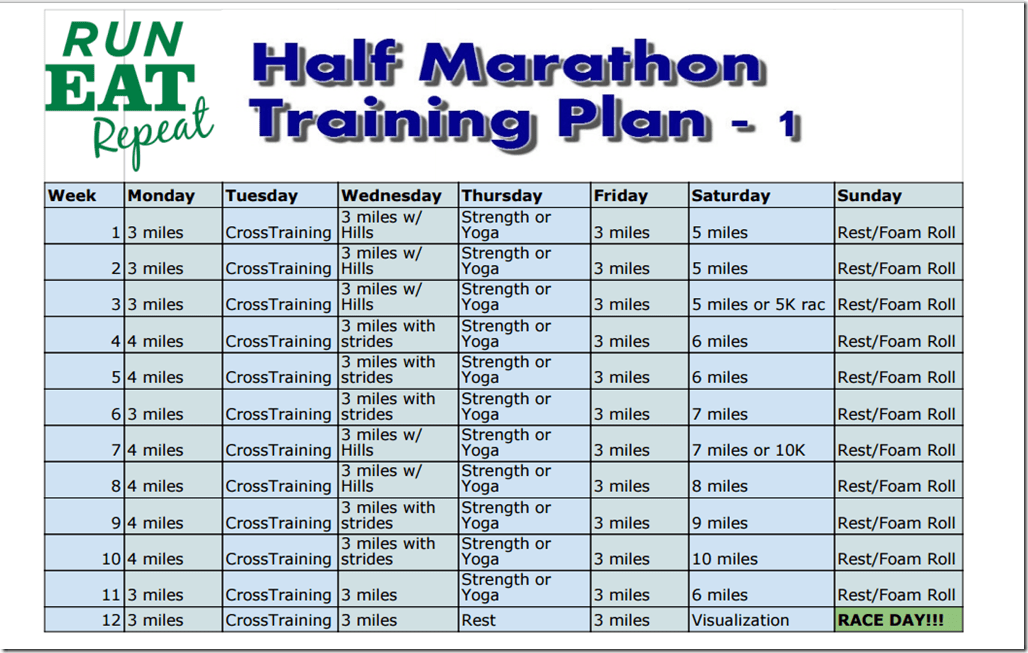 1028×653 marathon training beginners from runeatrepeat.com
  1298×1679 sample marathon training plan from www.formsbirds.com
  600×650 marathon training plan tips crossing finish from www.playpartyplan.com


Half Marathon Training Plan Template :
Half Marathon Training Plan Template was posted in June 19, 2025 at 1:57 am. If you wanna have it as yours, please click the Pictures and you will go to click right mouse then Save Image As and Click Save and download the Half Marathon Training Plan Template Picture.. Don’t forget to share this picture with others via Facebook, Twitter, Pinterest or other social medias! we do hope you'll get inspired by SampleTemplates123... Thanks again! If you have any DMCA issues on this post, please contact us!