Walking Plan Template For Seniors
Walking Plan Template for Seniors: A Step-by-Step Guide to Better Health
Walking is a fantastic, low-impact exercise that offers numerous benefits for seniors. It can improve cardiovascular health, strengthen bones and muscles, boost mood, and enhance overall well-being. This comprehensive walking plan template is designed to help seniors of all fitness levels create a personalized and sustainable walking routine.
Why Walking is Ideal for Seniors
- Low Impact: Gentle on joints, making it suitable for individuals with arthritis or other musculoskeletal conditions.
- Accessibility: Requires no special equipment or gym memberships; you can walk almost anywhere.
- Cardiovascular Benefits: Improves heart health, lowers blood pressure, and reduces the risk of stroke.
- Bone Health: Weight-bearing exercise helps maintain bone density and prevent osteoporosis.
- Muscle Strength: Strengthens leg muscles, improving balance and reducing the risk of falls.
- Mental Health: Releases endorphins, reducing stress, anxiety, and symptoms of depression.
- Social Interaction: Walking with friends or in a group can provide social support and motivation.
Creating Your Personalized Walking Plan
This template provides a framework for developing your own walking plan. Remember to consult your doctor before starting any new exercise program, especially if you have underlying health conditions.
Step 1: Assess Your Current Fitness Level
Before you begin, honestly evaluate your current fitness level. Consider these questions:
- How active are you on a typical day?
- Can you walk for 10 minutes without feeling overly tired or short of breath?
- Do you have any pain or discomfort when walking?
- What are your health goals (e.g., improve cardiovascular health, lose weight, increase energy levels)?
Based on your answers, you can classify yourself as:
- Beginner: Currently inactive or can only walk for short periods.
- Intermediate: Walk regularly for at least 30 minutes, several times a week.
- Advanced: Walk briskly for longer durations and may participate in other forms of exercise.
Step 2: Set Realistic Goals
Establish achievable and measurable goals. Start small and gradually increase your walking distance and intensity. Examples include:
- Beginner: Walk for 10 minutes, 3 times a week for the first week, increasing by 5 minutes each week.
- Intermediate: Walk for 30 minutes, 5 times a week, and incorporate hills or faster-paced intervals.
- Advanced: Walk for 45-60 minutes, most days of the week, and consider adding weight training or other activities.
Remember the FITT principle: Frequency, Intensity, Time, and Type.
Step 3: The Walking Plan Template
Use this template to structure your weekly walking schedule. Modify it to suit your individual needs and progress.
| Day | Activity | Duration | Intensity | Notes |
|---|---|---|---|---|
| Monday | Walking | [Insert Duration Here (e.g., 20 minutes)] | [Insert Intensity Here (e.g., Easy pace)] | [Insert Notes Here (e.g., Walk around the park)] |
| Tuesday | Rest | – | – | – |
| Wednesday | Walking | [Insert Duration Here] | [Insert Intensity Here] | [Insert Notes Here] |
| Thursday | Rest | – | – | – |
| Friday | Walking | [Insert Duration Here] | [Insert Intensity Here] | [Insert Notes Here] |
| Saturday | Walking (Optional) | [Insert Duration Here] | [Insert Intensity Here] | [Insert Notes Here (e.g., Walk with a friend)] |
| Sunday | Rest | – | – | – |
Intensity Levels:
- Easy Pace: You can easily hold a conversation.
- Moderate Pace: You can talk, but you are breathing harder.
- Brisk Pace: You can speak in short sentences.
Step 4: Important Considerations and Safety Tips
- Warm-up: Start each walk with 5-10 minutes of light stretching and gentle movements.
- Cool-down: End each walk with 5-10 minutes of stretching to prevent muscle soreness.
- Proper Footwear: Wear comfortable, supportive shoes that fit well.
- Proper Posture: Stand tall with your head up, shoulders relaxed, and engage your core.
- Stay Hydrated: Drink plenty of water before, during, and after your walks.
- Dress Appropriately: Wear weather-appropriate clothing, including sunscreen, a hat, and sunglasses.
- Be Aware of Your Surroundings: Walk in well-lit areas, and be mindful of traffic and uneven surfaces. Consider carrying a cell phone for emergencies.
- Listen to Your Body: Stop if you experience pain, dizziness, or shortness of breath.
- Avoid Walking in Extreme Weather: High heat, humidity, or icy conditions can be dangerous.
- Consider Walking with a Partner: Walking with a friend or family member can provide motivation and companionship.
Step 5: Track Your Progress and Stay Motivated
Keep a record of your walks, noting the duration, intensity, and any challenges you faced. This will help you track your progress and identify areas for improvement.
Tips for Staying Motivated:
- Find a Walking Buddy: Having someone to walk with can make it more enjoyable and keep you accountable.
- Join a Walking Group: Connect with others who enjoy walking for social support and encouragement.
- Set Rewards: Reward yourself for reaching milestones (e.g., a new book, a relaxing bath).
- Listen to Music or Podcasts: Make your walks more entertaining by listening to your favorite tunes or podcasts.
- Vary Your Routes: Explore different walking locations to keep things interesting.
- Celebrate Your Successes: Acknowledge your accomplishments and be proud of your progress.
Step 6: Gradually Increase Intensity and Duration
As you become more comfortable with your walking routine, gradually increase the intensity and duration of your walks. This could involve walking faster, adding hills, or walking for longer periods. Remember to listen to your body and avoid pushing yourself too hard, especially in the beginning.
Sample Weekly Walking Plans
Here are sample weekly walking plans for different fitness levels:
Beginner
| Day | Activity | Duration | Intensity |
|---|---|---|---|
| Monday | Walking | 10 minutes | Easy pace |
| Wednesday | Walking | 10 minutes | Easy pace |
| Friday | Walking | 10 minutes | Easy pace |
Intermediate
| Day | Activity | Duration | Intensity |
|---|---|---|---|
| Monday | Walking | 30 minutes | Moderate pace |
| Wednesday | Walking | 30 minutes | Moderate pace |
| Friday | Walking | 30 minutes | Moderate pace |
| Saturday | Walking | 40 minutes | Easy pace |
Advanced
| Day | Activity | Duration | Intensity |
|---|---|---|---|
| Monday | Walking | 45 minutes | Brisk pace |
| Tuesday | Walking | 30 minutes | Easy pace |
| Wednesday | Walking | 45 minutes | Brisk pace |
| Thursday | Walking | 30 minutes | Easy pace |
| Friday | Walking | 45 minutes | Brisk pace |
| Saturday | Walking | 60 minutes | Moderate pace |
Conclusion
This walking plan template provides a foundation for seniors to create a safe and effective exercise routine. By starting slowly, setting realistic goals, and listening to your body, you can enjoy the numerous health benefits of walking and improve your overall quality of life. Remember to consult with your doctor before starting any new exercise program.
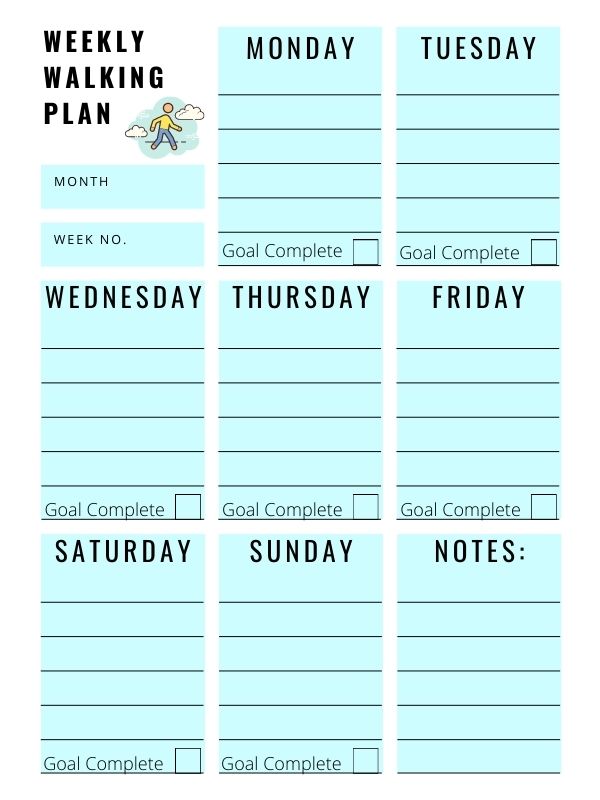 600×800 walking weekly exercise plan downloadable charts shoe from helpshoe.com
  768×512 walking ultimate exercise seniors from www.medicalalertcomparison.com
  612×852 walking exercise easy seniors seniors edge from reliantmedicalgroup.org
  1050×1050 vector vault from www.vector-vault.org
  1024×1024 printable exercise plan week beginner walking program from lyanaprintable.com
  640×640 walking plan completed intervention participants from www.researchgate.net
  900×602 exercises seniors feel simple routines from www.huffingtonpost.ca


Walking Plan Template For Seniors :
Walking Plan Template For Seniors was posted in August 21, 2025 at 4:07 am. If you wanna have it as yours, please click the Pictures and you will go to click right mouse then Save Image As and Click Save and download the Walking Plan Template For Seniors Picture.. Don’t forget to share this picture with others via Facebook, Twitter, Pinterest or other social medias! we do hope you'll get inspired by SampleTemplates123... Thanks again! If you have any DMCA issues on this post, please contact us!