Promotion Plan Template
Promotion Plan Template: Your Roadmap to Marketing Success
A well-defined promotion plan is the cornerstone of any successful marketing campaign. It acts as a detailed roadmap, outlining the strategies, tactics, and resources you’ll use to reach your target audience and achieve your marketing objectives. This template provides a structured framework for creating a comprehensive promotion plan that can be adapted to suit various products, services, or brands. 1. Executive Summary Begin with a concise overview of the entire promotion plan. This section should briefly state the purpose of the plan, the target audience, the key objectives, and the major strategies that will be employed. It’s essentially an “elevator pitch” for your promotion efforts. 2. Situation Analysis This section sets the stage by providing context and background information. * Market Analysis: Analyze the overall market for your product or service. Identify trends, growth potential, and key challenges. Include data on market size, demographics, and geographic distribution. * Competitive Analysis: Identify your key competitors and analyze their strengths, weaknesses, strategies, and market share. Understand what makes you different and where you can gain a competitive advantage. * SWOT Analysis: Conduct a SWOT analysis (Strengths, Weaknesses, Opportunities, and Threats) to evaluate your internal capabilities and external environment. This helps identify areas where you excel, areas that need improvement, potential opportunities to exploit, and threats to mitigate. * Target Audience Analysis: Define your ideal customer in detail. Include demographic information (age, gender, income, education), psychographic information (interests, values, lifestyle), and behavioral patterns (purchasing habits, media consumption). Consider creating buyer personas to represent your target audience segments. 3. Objectives Clearly define what you want to achieve with your promotion efforts. Objectives should be SMART: * Specific: Clearly define what you want to accomplish. * Measurable: Quantify your objectives so you can track progress. * Achievable: Set realistic goals that are attainable with available resources. * Relevant: Ensure your objectives align with your overall business goals. * Time-bound: Set a deadline for achieving your objectives. Examples of promotional objectives: * Increase brand awareness by 20% within the next quarter. * Generate 500 new leads per month through online advertising. * Drive a 10% increase in sales during the holiday season. * Improve customer satisfaction scores by 15% within six months. * Increase website traffic by 30% over the next year. 4. Strategies Outline the overall approach you’ll take to achieve your objectives. Strategies are broad plans that guide your tactical decisions. * Positioning Strategy: How will you position your product or service in the minds of your target audience? What key benefits will you emphasize? What makes you unique? * Branding Strategy: How will you develop and maintain a consistent brand identity? This includes your brand name, logo, messaging, and overall brand experience. * Communication Strategy: How will you communicate with your target audience? What key messages will you convey? * Channel Strategy: Which marketing channels will you use to reach your target audience? Examples include social media, email marketing, content marketing, paid advertising, public relations, and events. 5. Tactics This section details the specific actions you’ll take to implement your strategies. Tactics are the concrete steps you’ll take to achieve your objectives. * Social Media Marketing: Outline your social media strategy, including the platforms you’ll use, the content you’ll create, and the engagement tactics you’ll employ. Be specific about posting frequency, content themes, and how you’ll measure success. * Content Marketing: Detail your content creation strategy, including blog posts, articles, videos, infographics, and other content formats. Define your content calendar and identify key topics that will resonate with your target audience. * Email Marketing: Describe your email marketing campaigns, including the types of emails you’ll send (newsletters, promotional emails, transactional emails), your segmentation strategy, and your email automation workflows. * Paid Advertising: Outline your paid advertising strategy, including the platforms you’ll use (Google Ads, social media advertising), your target keywords, your ad copy, and your budget allocation. * Public Relations: Describe your PR activities, including press releases, media outreach, and influencer marketing. * Sales Promotions: List any planned sales promotions, such as discounts, coupons, contests, or giveaways. 6. Budget Allocate your marketing budget across different activities and channels. Be realistic about your budget constraints and prioritize activities that offer the greatest return on investment. Break down your budget by category (e.g., advertising, content creation, social media management) and by time period (e.g., monthly, quarterly, annually). 7. Implementation Schedule Create a timeline for implementing your promotion plan. Include specific deadlines for each task and assign responsibility to individuals or teams. Use a Gantt chart or other project management tools to visualize your schedule and track progress. 8. Evaluation and Control Define how you’ll measure the success of your promotion plan and make adjustments as needed. Identify key performance indicators (KPIs) that you’ll track, such as website traffic, lead generation, sales conversions, and brand awareness. Regularly monitor your progress and make adjustments to your strategies and tactics based on performance data. Establish a process for reporting results and making recommendations for future improvements. 9. Contingency Planning Consider potential risks and challenges that could derail your promotion plan. Develop contingency plans to address these issues and mitigate their impact. For example, what will you do if a key marketing channel becomes ineffective? What will you do if your budget is cut unexpectedly? 10. Appendix Include any supporting documents, such as market research reports, competitor analysis data, and creative briefs. This section provides additional context and information for your promotion plan. By following this template, you can create a comprehensive and effective promotion plan that will help you achieve your marketing goals and drive business success. Remember to regularly review and update your plan as needed to adapt to changing market conditions and customer preferences.
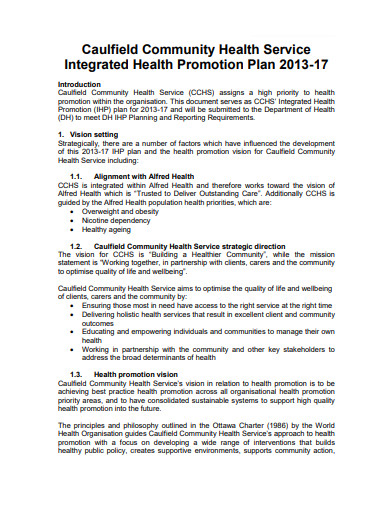 390×505 promotion plan templates from www.template.net
  1365×767 sales promotion plan template sampletemplatess sampletemplatess from www.sampletemplatess.com
  595×358 promotion plan template sampletemplatess sampletemplatess from www.sampletemplatess.com
 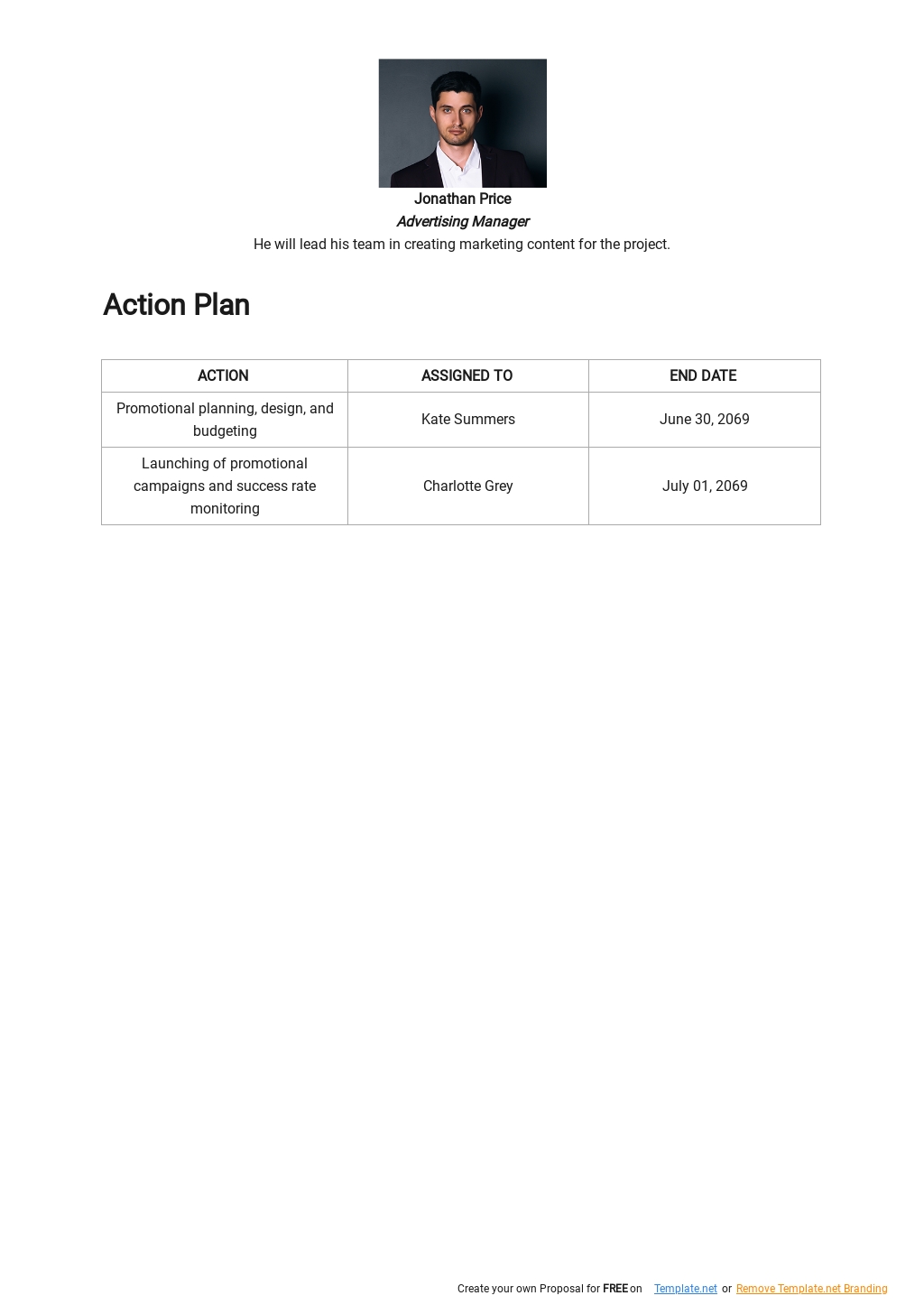 1024×1446 promotion plan template google docs word templatenet from www.template.net
 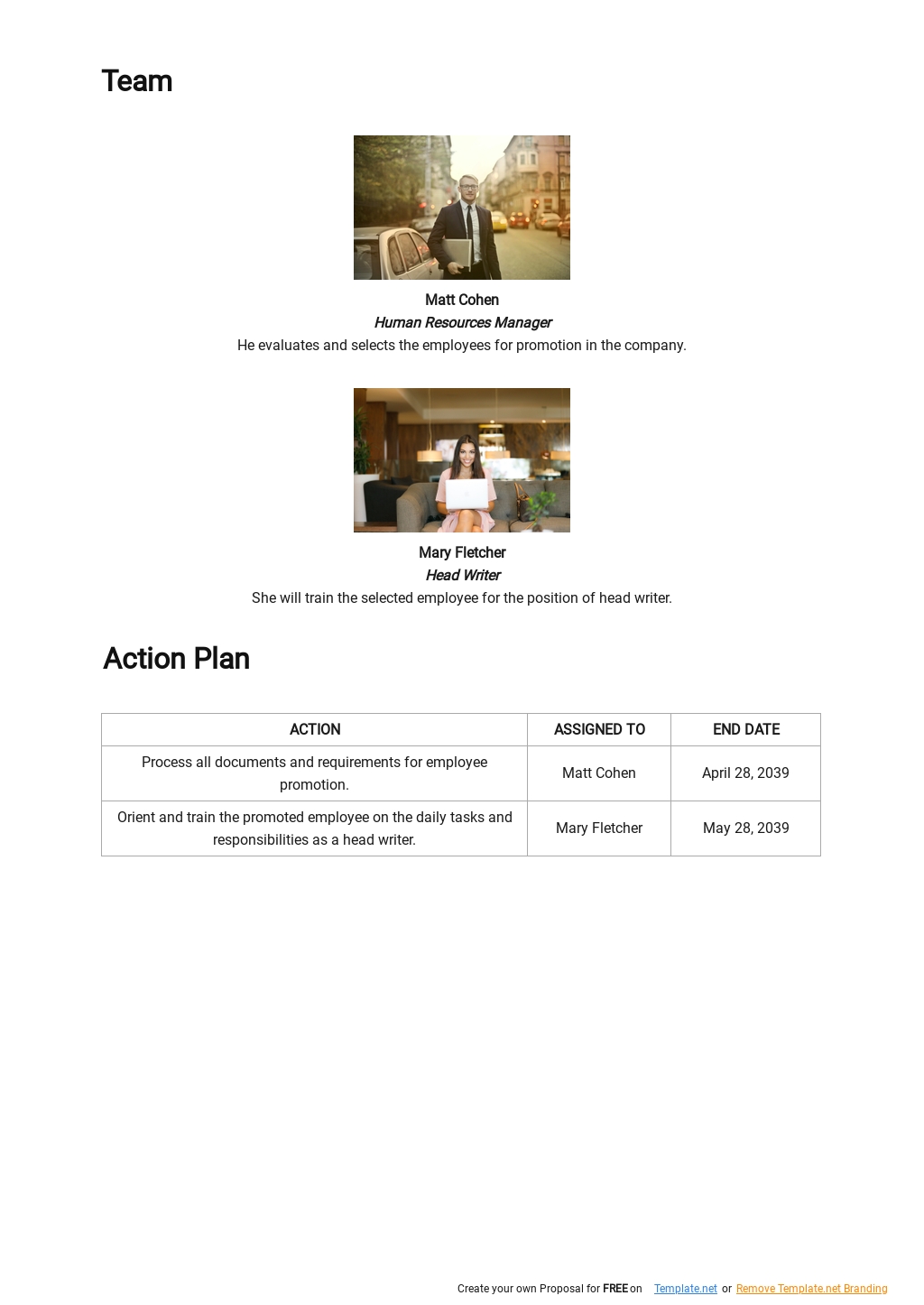 1024×1446 employee promotion plan template google docs word from www.template.net



Promotion Plan Template :
Promotion Plan Template was posted in July 24, 2025 at 8:08 am. If you wanna have it as yours, please click the Pictures and you will go to click right mouse then Save Image As and Click Save and download the Promotion Plan Template Picture.. Don’t forget to share this picture with others via Facebook, Twitter, Pinterest or other social medias! we do hope you'll get inspired by SampleTemplates123... Thanks again! If you have any DMCA issues on this post, please contact us!