Internship Plan Template
Here’s a guide to creating an effective internship plan template, formatted in HTML: “`html
Internship Plan Template: A Comprehensive Guide
An internship plan serves as a roadmap for a successful internship experience. It outlines the intern’s learning objectives, assigned tasks, expected outcomes, and methods for evaluation. A well-structured plan benefits both the intern and the organization by ensuring focused learning, productive contributions, and a clear understanding of expectations.
I. Template Structure & Key Components
A comprehensive internship plan template typically includes the following sections:
A. Internship Overview
- Intern Information: Full name, university/educational institution, major, contact information.
- Organization Information: Company name, department, supervisor’s name and title, supervisor’s contact information.
- Internship Dates: Start date and end date of the internship.
- Internship Duration: Total weeks or months of the internship, and number of hours per week expected.
- Internship Objectives (Organization): A brief description of what the organization hopes to achieve through the internship program (e.g., identify potential talent, complete specific projects, gain fresh perspectives).
- Internship Description: A concise overview of the internship role and responsibilities. What kind of tasks will the intern be performing? What skills will they be using?
B. Learning Objectives
- Intern’s Learning Goals: What specific knowledge, skills, or experience does the intern hope to gain from the internship? These should be specific, measurable, achievable, relevant, and time-bound (SMART goals). For example: “Learn how to conduct market research and analyze competitor data using industry-standard tools like SEMrush and Ahrefs within the first four weeks.”
- Supervisor’s Learning Goals for the Intern: What specific skills or knowledge does the supervisor want the intern to develop during the internship? This might include technical skills, soft skills (communication, teamwork), or industry-specific knowledge.
- Alignment of Goals: A brief statement describing how the intern’s learning goals align with the organization’s objectives for the internship.
C. Responsibilities and Tasks
- Detailed Task List: A comprehensive list of specific tasks and projects the intern will be responsible for during the internship. Each task should be described clearly, including expected deliverables and deadlines. Break down larger projects into smaller, manageable steps. Examples: “Conduct a competitive analysis of three key competitors, focusing on their pricing strategies and marketing campaigns (Due: Week 2).” “Assist in creating social media content for the company’s LinkedIn page, including writing posts and designing graphics (Ongoing).”
- Task Prioritization: Indicate the priority level for each task (e.g., high, medium, low).
- Resources Required: List any resources the intern will need to complete their tasks, such as software, equipment, access to databases, or training materials.
- Mentorship/Supervision: Specify who the intern will report to and how often they will receive mentorship or supervision. Include the frequency of check-in meetings and the methods of communication (e.g., daily stand-ups, weekly meetings, email).
D. Training and Development
- Formal Training: List any formal training programs or workshops the intern will participate in during the internship (e.g., onboarding, software training, safety training).
- Informal Training: Describe any informal training or on-the-job learning opportunities the intern will have. This might include shadowing experienced employees, attending meetings, or participating in projects.
- Skill Development Plan: Outline a plan for developing specific skills, including resources, timelines, and methods for tracking progress. For example, if the intern needs to improve their presentation skills, the plan might include attending a presentation skills workshop, practicing presentations with the supervisor, and receiving feedback.
E. Evaluation and Feedback
- Performance Metrics: Define the metrics that will be used to evaluate the intern’s performance. These should be measurable and aligned with the learning objectives and task responsibilities. Examples: “Completion rate of assigned tasks,” “Quality of work (accuracy, thoroughness),” “Attendance and punctuality,” “Initiative and problem-solving skills,” “Communication and teamwork skills.”
- Feedback Schedule: Establish a regular schedule for providing feedback to the intern. This might include weekly check-in meetings, mid-term reviews, and a final evaluation.
- Evaluation Methods: Describe the methods that will be used to evaluate the intern’s performance. This might include written evaluations, performance reviews, project presentations, or 360-degree feedback.
- Self-Evaluation: Include a section for the intern to self-evaluate their performance and progress toward their learning goals.
F. Signatures
- Intern Signature: Confirmation that the intern understands and agrees to the terms of the internship plan.
- Supervisor Signature: Confirmation that the supervisor agrees to the terms of the internship plan and will provide the necessary support and guidance to the intern.
- (Optional) University/Faculty Advisor Signature: If required by the intern’s university, a signature from their faculty advisor to acknowledge the internship plan.
II. Benefits of Using an Internship Plan Template
- Clarity and Focus: Provides a clear roadmap for the internship, ensuring both the intern and the organization are aligned on expectations and goals.
- Structured Learning: Facilitates structured learning by outlining specific learning objectives, tasks, and training opportunities.
- Improved Performance: Helps to improve intern performance by providing clear performance metrics and regular feedback.
- Enhanced Communication: Fosters open communication between the intern and supervisor, promoting a positive and productive working relationship.
- Legal Compliance: Can help ensure that the internship complies with labor laws and regulations.
III. Tips for Creating an Effective Internship Plan
- Involve the Intern: Involve the intern in the development of the internship plan, especially in setting their learning objectives.
- Be Specific and Measurable: Make the learning objectives, tasks, and performance metrics as specific and measurable as possible.
- Be Realistic: Set realistic expectations for the intern’s performance and time commitment.
- Provide Support and Guidance: Ensure that the intern receives adequate support and guidance from their supervisor.
- Be Flexible: Be prepared to adjust the internship plan as needed based on the intern’s progress and the needs of the organization.
- Document Everything: Keep a record of the internship plan, performance evaluations, and feedback sessions.
By following this template and incorporating these tips, you can create a robust internship plan that benefits both the intern and the organization, leading to a successful and rewarding internship experience.
“`
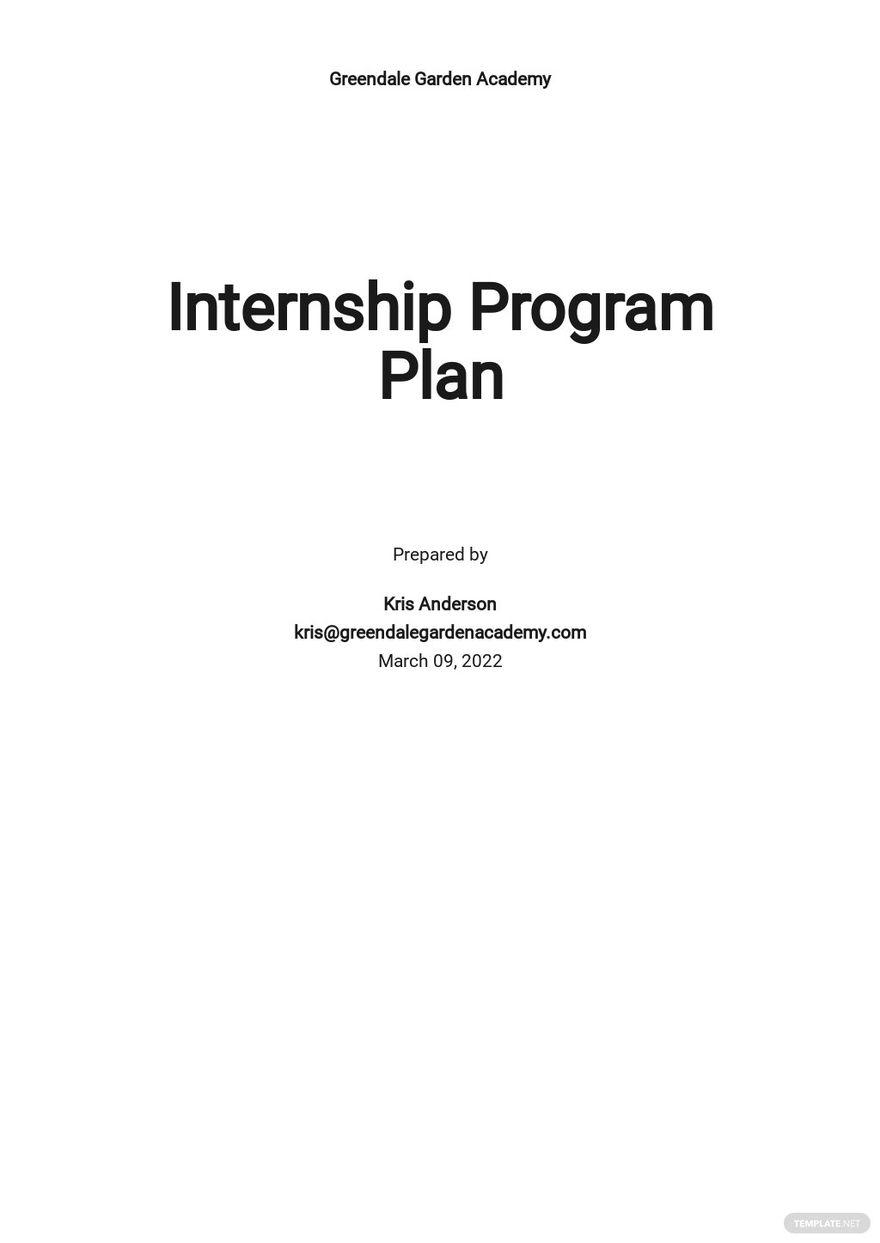 880×1243 internship plan templates docs downloads templatenet from www.template.net
 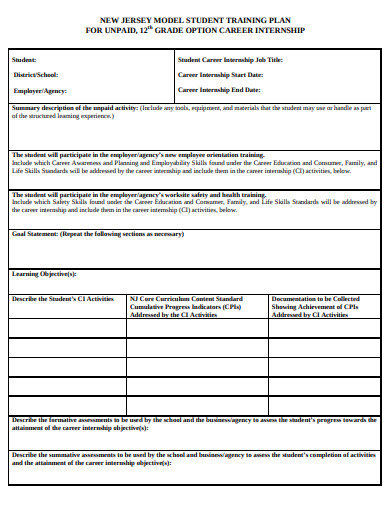 390×505 internship training plan templates excel from www.template.net
 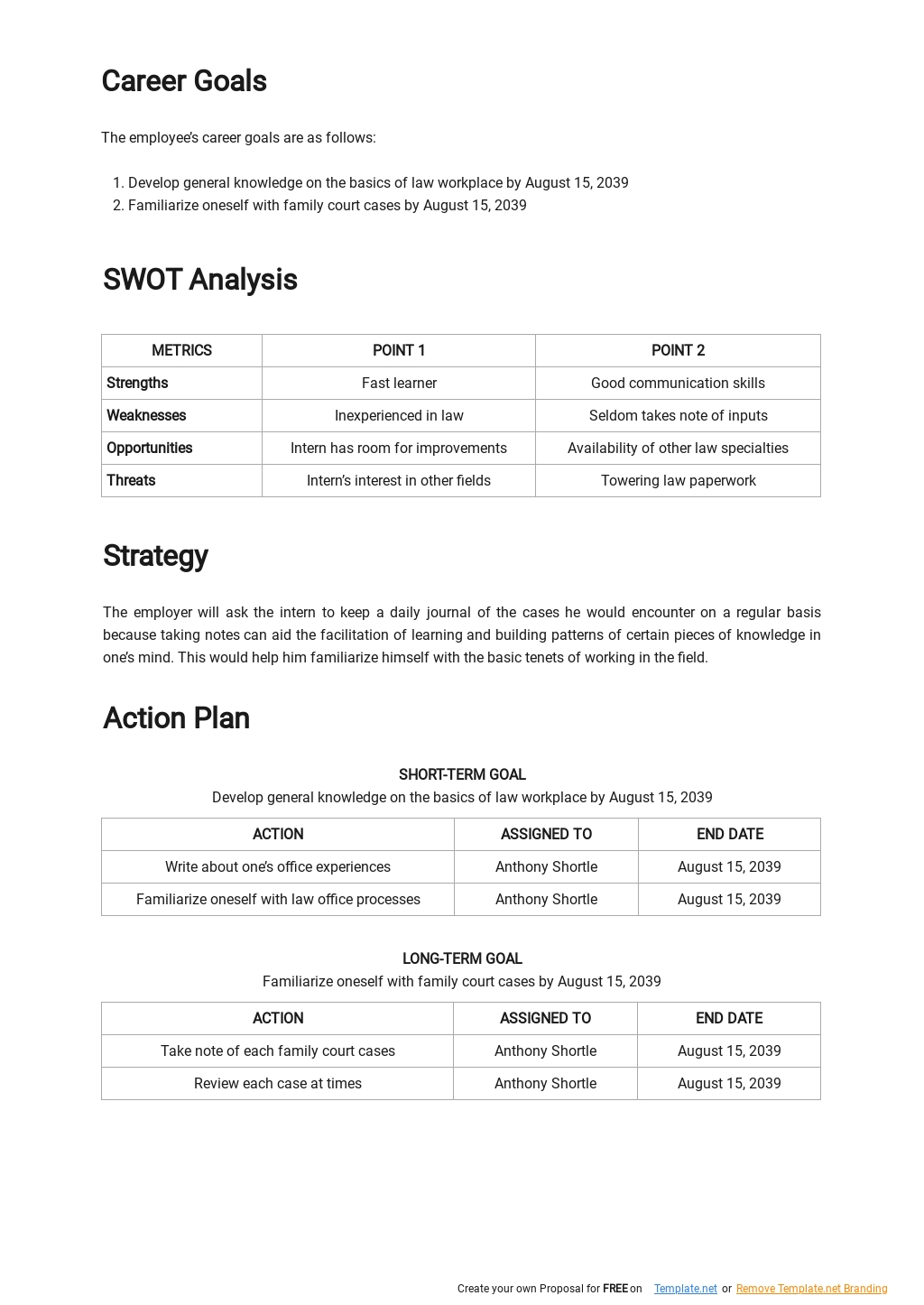 1024×1446 internship development plan template google docs word apple pages from www.template.net
  390×505 internship plan templates from www.template.net
 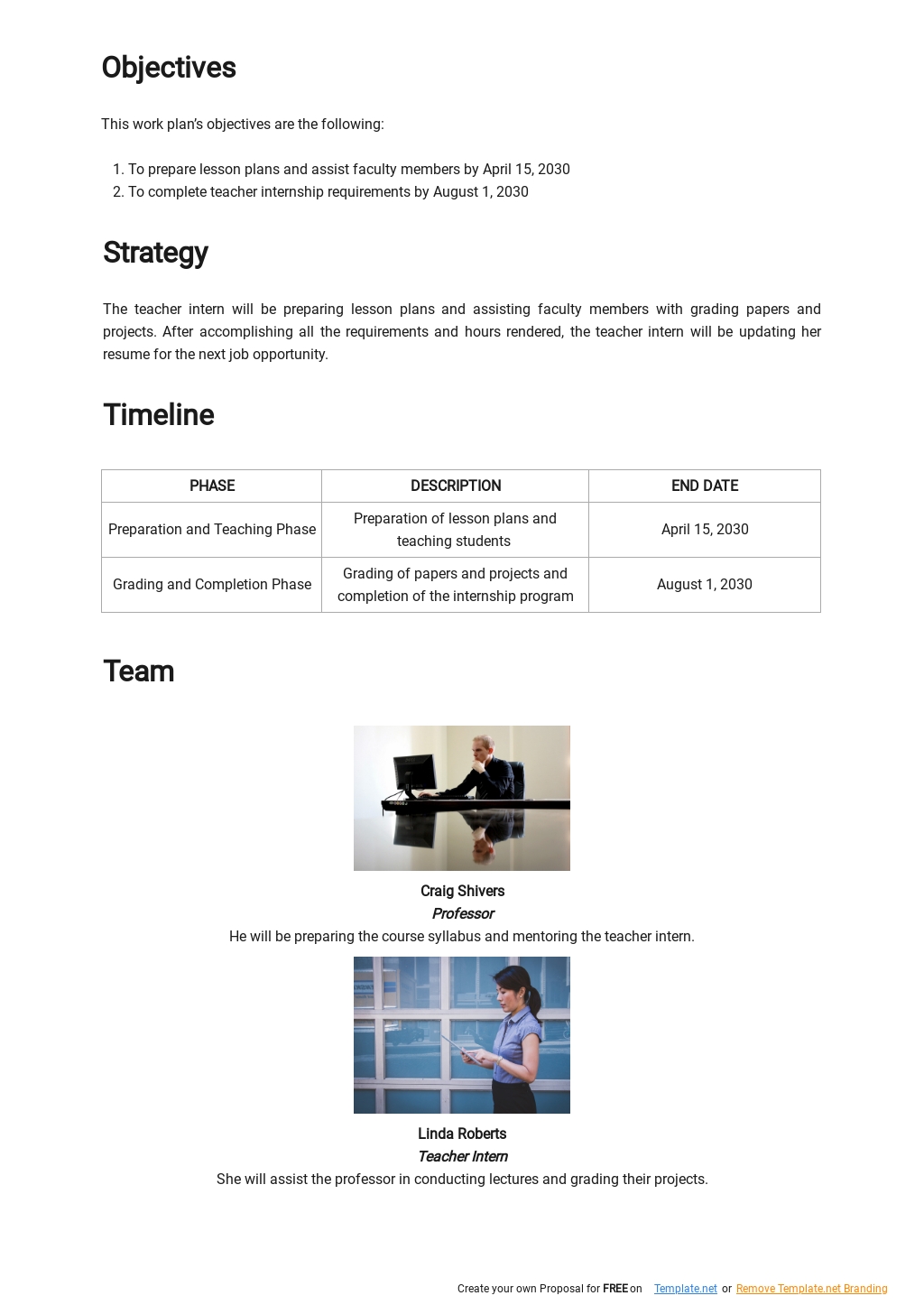 1024×1446 internship work plan template google docs word apple pages from www.template.net
  390×505 internship work plan templates from www.template.net


Internship Plan Template :
Internship Plan Template was posted in July 27, 2025 at 5:16 am. If you wanna have it as yours, please click the Pictures and you will go to click right mouse then Save Image As and Click Save and download the Internship Plan Template Picture.. Don’t forget to share this picture with others via Facebook, Twitter, Pinterest or other social medias! we do hope you'll get inspired by SampleTemplates123... Thanks again! If you have any DMCA issues on this post, please contact us!