Workplace Conflict Resolution Plan Template
Workplace Conflict Resolution Plan Template
A workplace conflict resolution plan is a structured framework for addressing disagreements and disputes that arise among employees. It provides a clear, consistent process for identifying, managing, and resolving conflicts in a fair and efficient manner, ultimately promoting a more harmonious and productive work environment. This template offers a guideline for creating such a plan.
I. Introduction
This section sets the stage for the entire plan. It should clearly state the purpose of the conflict resolution plan, emphasizing its benefits for both employees and the organization. Explain how the plan aims to create a positive and respectful workplace culture. Include a brief overview of the plan’s key components.
Example: “This Conflict Resolution Plan is designed to provide a fair and consistent process for addressing and resolving disagreements that may arise in the workplace. Our goal is to foster a respectful and productive environment where employees feel valued and can effectively collaborate. This plan outlines the steps for identifying, addressing, and resolving conflicts, promoting open communication and mutual understanding.”
II. Guiding Principles
These are the core values that underpin the entire conflict resolution process. They should reflect the organization’s commitment to fairness, respect, and impartiality. Common principles include:
- Fairness and Impartiality: All parties involved will be treated equitably and without bias.
- Confidentiality: Information shared during the conflict resolution process will be treated with discretion, subject to legal and ethical obligations.
- Respectful Communication: All interactions will be conducted in a respectful and professional manner.
- Timeliness: Conflicts will be addressed promptly to prevent escalation and maintain a productive work environment.
- Collaboration and Problem-Solving: The focus will be on finding mutually acceptable solutions through open communication and collaborative problem-solving.
- Employee Empowerment: Employees are encouraged to actively participate in resolving conflicts and contribute to a positive workplace culture.
III. Scope
Clearly define the types of conflicts that are covered by the plan. This helps to ensure that the plan is applied consistently and appropriately. Examples include:
- Interpersonal conflicts between employees
- Conflicts between employees and supervisors
- Conflicts arising from differences in work styles or opinions
- Conflicts related to performance issues (handled in conjunction with performance management processes)
- Conflicts related to policy interpretation
It is also important to specify the types of conflicts that are *not* covered by the plan, such as those involving serious misconduct or illegal activities. These types of conflicts should be addressed through separate disciplinary or legal procedures.
IV. Roles and Responsibilities
Outline the responsibilities of different individuals and departments in the conflict resolution process. This ensures accountability and clarity of roles.
- Employees: Responsible for attempting to resolve conflicts directly with the other party involved, following the principles of respectful communication and collaboration. Also responsible for reporting unresolved conflicts to their supervisor or HR department.
- Supervisors/Managers: Responsible for facilitating conflict resolution within their teams, providing guidance and support to employees, and escalating conflicts to HR when necessary.
- Human Resources (HR): Responsible for providing support and guidance throughout the conflict resolution process, conducting investigations when necessary, and ensuring that the plan is implemented fairly and consistently. May also act as a mediator.
- Mediators (if applicable): Responsible for facilitating constructive dialogue between conflicting parties and helping them reach a mutually acceptable agreement. Mediators should be neutral and impartial.
V. Conflict Resolution Process
This is the core of the plan, detailing the step-by-step procedure for addressing conflicts. A typical process includes:
- Informal Resolution:
- Self-Resolution: Employees are encouraged to attempt to resolve the conflict directly with the other party involved, using respectful communication and active listening.
- Supervisor Intervention (Optional): If self-resolution is unsuccessful, the employees may seek guidance from their supervisor, who can provide coaching or facilitate a discussion.
- Formal Resolution:
- Reporting the Conflict: If informal resolution fails, the employee should formally report the conflict to their supervisor or HR department, providing a written summary of the issue.
- Investigation: HR will conduct a thorough and impartial investigation, gathering information from all parties involved. This may include interviews, document review, and other relevant fact-finding activities.
- Mediation (Optional): HR may recommend mediation as a way to facilitate a constructive dialogue between the parties involved and help them reach a mutually acceptable agreement. A neutral third-party mediator will facilitate the discussion.
- Decision and Action Plan: Based on the investigation and/or mediation, HR will make a decision and develop an action plan to address the conflict. This may include disciplinary action, performance improvement plans, training, or other appropriate measures.
- Follow-Up: HR will follow up with all parties involved to ensure that the action plan is being implemented and that the conflict has been effectively resolved.
VI. Documentation
Establish a clear process for documenting all stages of the conflict resolution process. This is crucial for maintaining records, ensuring accountability, and protecting the organization from legal liability.
- All reports of conflict, investigation findings, mediation agreements, and action plans should be documented in writing.
- Documentation should be kept confidential and stored securely, in accordance with privacy policies and applicable laws.
- Documentation should be reviewed periodically to identify trends and improve the effectiveness of the conflict resolution plan.
VII. Training and Communication
Provide training to employees and supervisors on conflict resolution skills, including communication, active listening, and problem-solving. Regularly communicate the plan to all employees, ensuring that they understand their rights and responsibilities.
- Offer workshops and training sessions on conflict resolution skills.
- Include information about the conflict resolution plan in employee handbooks and onboarding materials.
- Communicate the plan regularly through newsletters, intranet postings, and other channels.
VIII. Plan Review and Revision
Establish a process for periodically reviewing and revising the conflict resolution plan to ensure that it remains effective and relevant. This should include gathering feedback from employees and supervisors, analyzing data on conflict resolution outcomes, and making adjustments as needed.
- Review the plan annually or as needed.
- Solicit feedback from employees and supervisors on their experiences with the plan.
- Track the number and types of conflicts reported, the outcomes of the conflict resolution process, and employee satisfaction.
- Make revisions to the plan as needed to improve its effectiveness and ensure that it aligns with the organization’s values and goals.
IX. Conclusion
Reiterate the organization’s commitment to fostering a positive and respectful workplace culture through the implementation of this conflict resolution plan. Emphasize that the plan is a valuable tool for promoting open communication, resolving disputes fairly, and creating a more productive work environment. Provide contact information for HR or other resources where employees can seek further guidance or assistance.
 1275×1650 employee conflict resolution template stcharleschill template from stcharleschill.com
  474×613 conflict resolution worksheet template from studylib.net
474×613 conflict resolution worksheet template from studylib.net  1058×1497 workplace conflict resolution painhospital issuu from issuu.com
 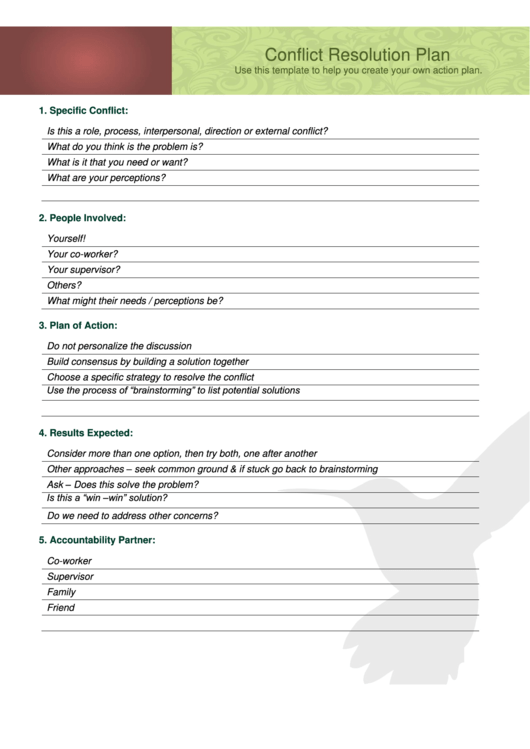 530×749 top conflict resolution templates format from www.formsbank.com
 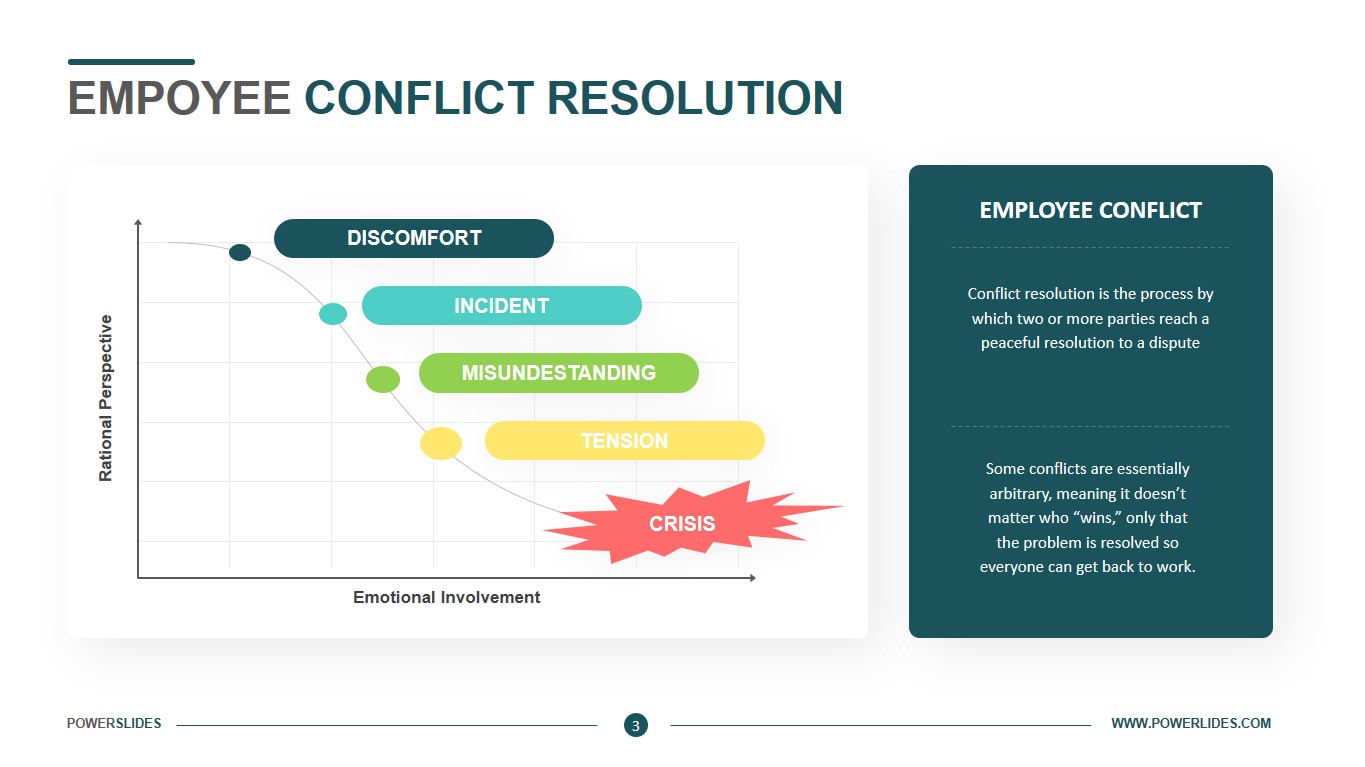 1365×767 employee conflict resolution template from powerslides.com
  728×546 workplace conflict from www.slideshare.net
  638×826 conflict resolution sm from www.slideshare.net


Workplace Conflict Resolution Plan Template :
Workplace Conflict Resolution Plan Template was posted in July 12, 2025 at 8:39 pm. If you wanna have it as yours, please click the Pictures and you will go to click right mouse then Save Image As and Click Save and download the Workplace Conflict Resolution Plan Template Picture.. Don’t forget to share this picture with others via Facebook, Twitter, Pinterest or other social medias! we do hope you'll get inspired by SampleTemplates123... Thanks again! If you have any DMCA issues on this post, please contact us!