Project Plan Template For Team Collaboration
Project Plan Template for Team Collaboration
A well-defined project plan serves as the cornerstone for successful team collaboration and project execution. It provides a roadmap, clarifies roles and responsibilities, and ensures everyone is aligned towards a common goal. A project plan template offers a structured framework for creating this crucial document, streamlining the planning process and fostering better team communication.
Elements of a Collaborative Project Plan Template
A comprehensive project plan template should include the following key elements, tailored for collaborative teamwork:
1. Project Overview and Goals
- Project Name: A concise and descriptive name for the project.
- Project Description: A brief summary of the project’s purpose and objectives. This should be easily understood by all team members, regardless of their specific roles.
- Project Goals (SMART): Clearly defined, measurable, achievable, relevant, and time-bound goals. For example, “Increase website traffic by 20% within the next quarter through SEO optimization.” These goals provide a tangible target for the team to work towards.
- Project Scope: Defining the boundaries of the project, outlining what is included and what is specifically excluded. This helps manage expectations and prevents scope creep.
- Key Stakeholders: Identifying individuals or groups who have an interest in the project’s outcome, including their roles and communication preferences. This ensures that the right people are informed and involved throughout the project lifecycle.
2. Team Roles and Responsibilities
- Team Member Roles: Clearly define each team member’s role within the project. Examples include Project Manager, Developer, Designer, Marketing Specialist, etc.
- Responsibilities Matrix (RACI Chart): Utilize a RACI (Responsible, Accountable, Consulted, Informed) chart to assign responsibilities for each task. This eliminates ambiguity and ensures that every task has a clear owner.
- Responsible: The person who performs the task.
- Accountable: The person ultimately responsible for the correct and thorough completion of the task.
- Consulted: People who need to be consulted before a decision or action is taken.
- Informed: People who need to be kept updated on progress and decisions.
- Communication Plan: Outline how the team will communicate, including meeting schedules, communication channels (e.g., email, Slack, project management software), and reporting procedures.
3. Project Timeline and Milestones
- Work Breakdown Structure (WBS): Break down the project into smaller, manageable tasks. This provides a clear view of the project’s scope and facilitates task assignment and tracking.
- Task Dependencies: Identify dependencies between tasks, highlighting which tasks need to be completed before others can begin. This helps prevent delays and ensures a smooth workflow.
- Project Timeline (Gantt Chart): Visually represent the project timeline using a Gantt chart, showing task start and end dates, dependencies, and milestones. This provides a clear overview of the project’s progress.
- Milestones: Define significant checkpoints within the project timeline. Milestones allow for progress tracking and celebrate achievements. Examples include completing a design phase, launching a beta version, or finalizing a marketing campaign.
4. Resources and Budget
- Resource Allocation: Identify the resources required for each task, including personnel, equipment, software, and materials. This ensures that the team has the necessary tools to complete their work.
- Budget Estimation: Estimate the cost of each task and the overall project budget. This includes labor costs, material costs, and other expenses.
- Budget Tracking: Establish a system for tracking project expenses and comparing them to the budget. This helps prevent cost overruns and ensures that the project stays within budget.
- Contingency Plan: Include a contingency budget to account for unforeseen expenses.
5. Risk Management
- Risk Identification: Identify potential risks that could impact the project’s success. Examples include technical challenges, resource constraints, and market changes.
- Risk Assessment: Assess the likelihood and impact of each risk. This helps prioritize risks and focus on the most critical threats.
- Risk Mitigation Strategies: Develop strategies to mitigate or prevent each identified risk. This includes proactive measures to reduce the likelihood of the risk occurring and reactive measures to minimize the impact if it does occur.
- Contingency Plans: Develop backup plans to address risks that cannot be completely mitigated.
6. Communication and Reporting
- Communication Schedule: Define the frequency and format of project updates.
- Reporting Templates: Create standardized templates for project status reports. This ensures that all stakeholders receive consistent and relevant information.
- Meeting Agendas: Prepare agendas for project meetings to ensure that they are focused and productive.
- Feedback Mechanisms: Establish channels for team members to provide feedback and raise concerns.
7. Quality Assurance
- Quality Standards: Define the quality standards that the project deliverables must meet.
- Testing Procedures: Outline the testing procedures that will be used to ensure that the deliverables meet the quality standards.
- Review Process: Establish a process for reviewing and approving project deliverables.
Benefits of Using a Project Plan Template for Collaboration
- Improved Communication: A clear and concise project plan fosters better communication among team members. Everyone understands the project’s goals, their roles and responsibilities, and the project timeline.
- Enhanced Collaboration: By defining roles and responsibilities, the template promotes a collaborative environment where team members work together effectively.
- Increased Efficiency: A well-structured project plan streamlines the planning process and reduces the risk of misunderstandings and delays.
- Better Risk Management: By identifying and assessing potential risks, the template enables proactive risk management and reduces the impact of unforeseen events.
- Improved Project Outcomes: A collaborative project plan increases the likelihood of achieving project goals and delivering successful outcomes.
Conclusion
A project plan template designed for team collaboration is an invaluable tool for any project manager or team leader. By providing a structured framework for planning, communication, and risk management, it empowers teams to work together efficiently and effectively towards achieving project success. Investing time in creating and utilizing a comprehensive project plan template will significantly enhance team collaboration and improve project outcomes.
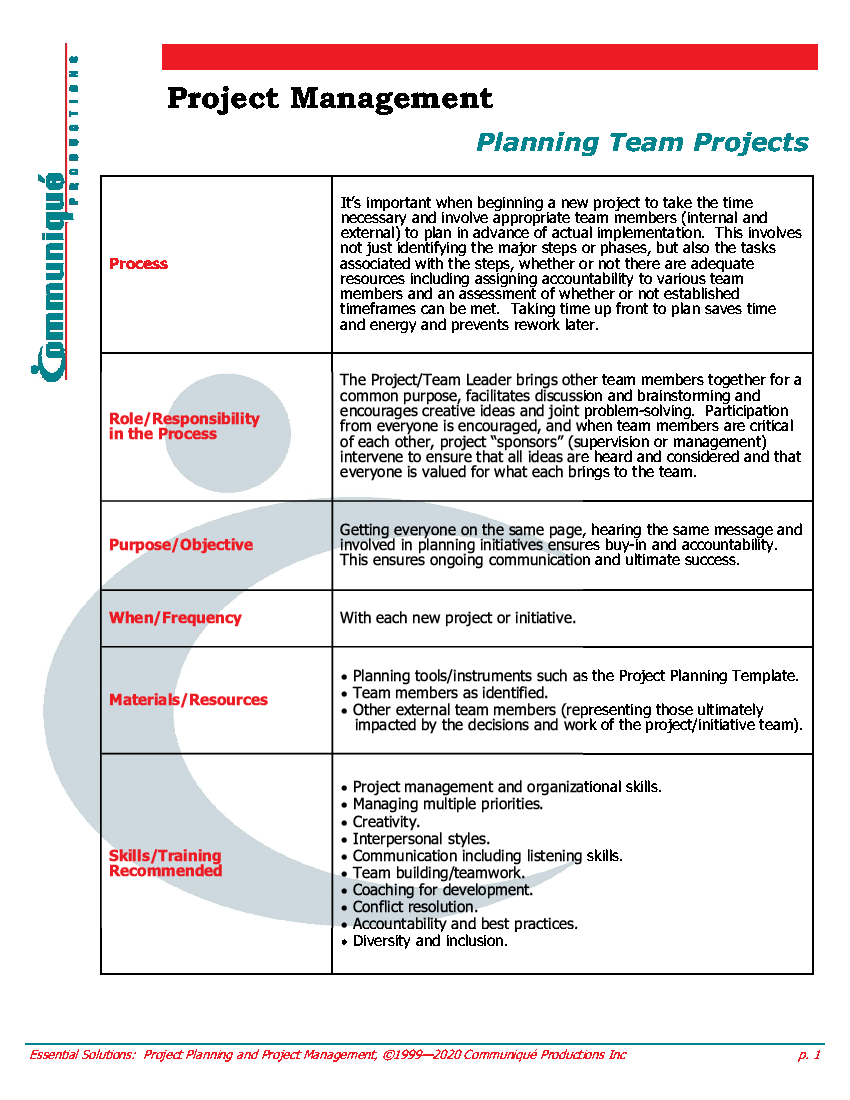 850×1100 planning team projects guidelines template from flevy.com
  728×942 collaborationplantemplate from www.slideshare.net
 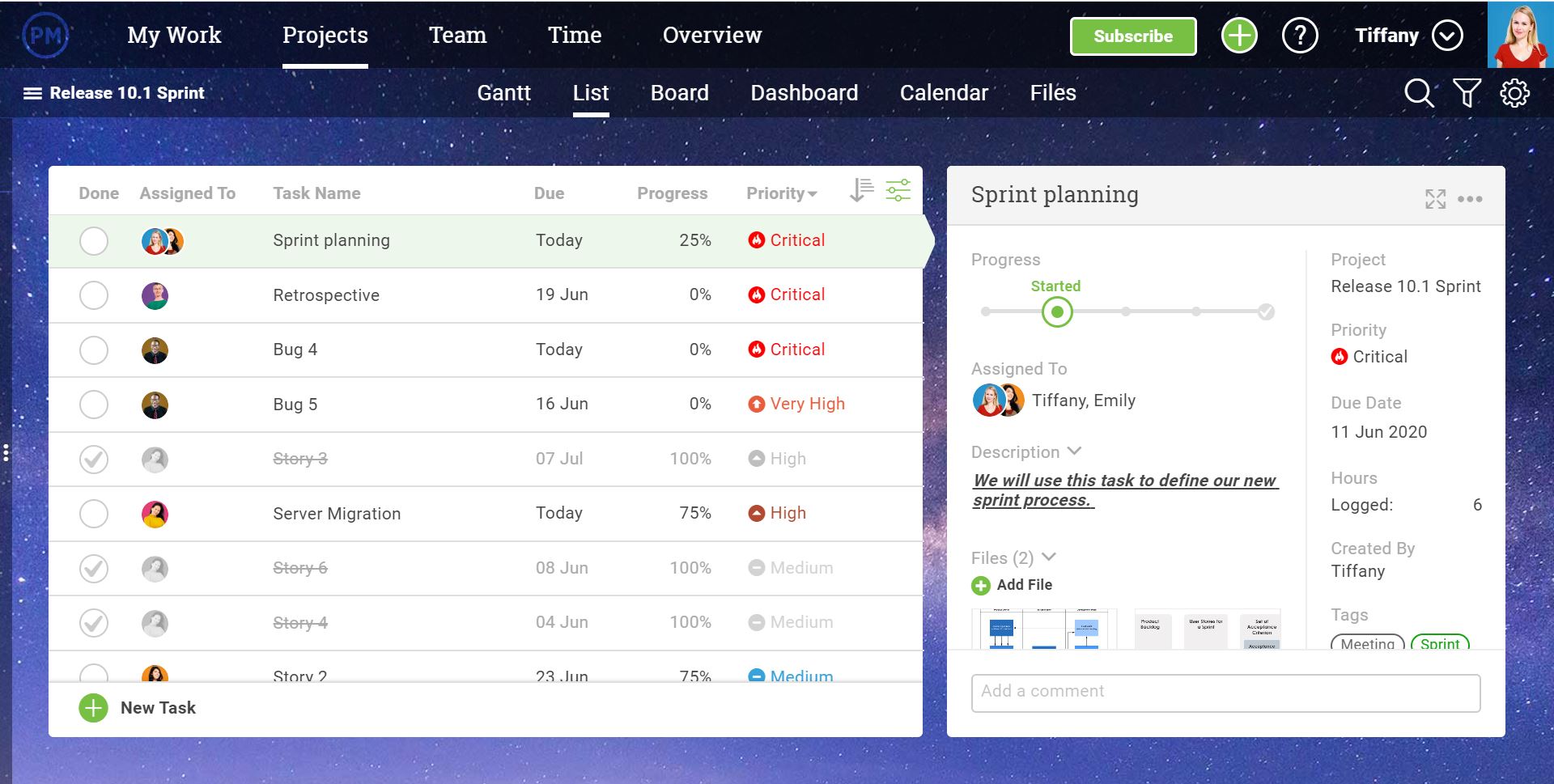 1920×969 communication plan template projectmanagercom from www.projectmanager.com
 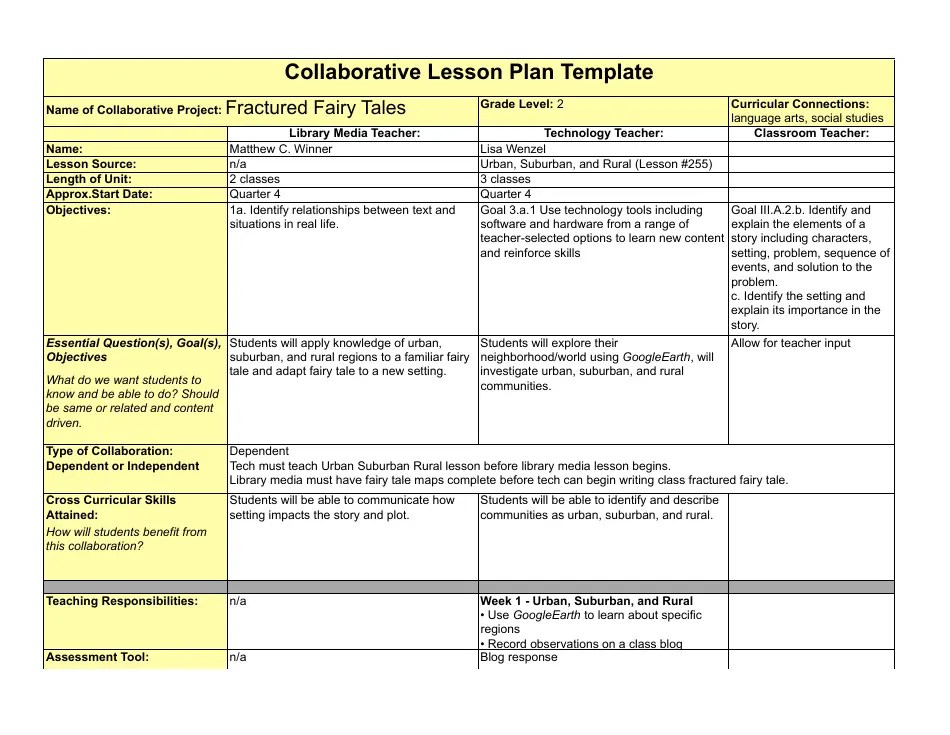 950×735 collaborative lesson plan template printable templateroller from www.templateroller.com
  1500×1125 team project plan mekko graphics from www.mekkographics.com
  1238×966 printable project team communication planner from www.sampletemplatess.com


Project Plan Template For Team Collaboration :
Project Plan Template For Team Collaboration was posted in November 16, 2025 at 8:21 am. If you wanna have it as yours, please click the Pictures and you will go to click right mouse then Save Image As and Click Save and download the Project Plan Template For Team Collaboration Picture.. Don’t forget to share this picture with others via Facebook, Twitter, Pinterest or other social medias! we do hope you'll get inspired by SampleTemplates123... Thanks again! If you have any DMCA issues on this post, please contact us!