Event Planning Budget Worksheet
Here’s an explanation of event planning budget worksheets, formatted in HTML:
Event planning can be incredibly exciting, but without a well-defined budget, your vision can quickly become a financial nightmare. That’s where an event planning budget worksheet comes to the rescue. It’s your roadmap, your financial compass, and your sanity-saver, all rolled into one organized document.
What is an Event Planning Budget Worksheet?
Simply put, an event planning budget worksheet is a comprehensive tool that outlines all anticipated income and expenses associated with your event. It’s a living document that evolves as your planning progresses, allowing you to track spending, identify potential overages, and make informed decisions to stay within your financial limits. Think of it as a detailed spreadsheet that breaks down every cost associated with bringing your event to life.
Why is a Budget Worksheet Essential?
- Financial Control: It provides a clear overview of your financial situation, preventing overspending and ensuring you have sufficient funds to cover all necessary expenses.
- Informed Decision-Making: By knowing your budget constraints, you can make realistic choices about vendors, venues, and event features.
- Negotiating Power: A well-researched budget strengthens your negotiating position with vendors, as you know your limits and can confidently discuss pricing.
- Risk Management: It helps identify potential financial risks early on, allowing you to develop contingency plans and avoid unexpected setbacks.
- Stakeholder Communication: A clear budget provides transparency and builds trust with sponsors, donors, and other stakeholders.
- Post-Event Analysis: After the event, you can compare your actual spending against the budget, identifying areas for improvement in future events.
Key Components of an Event Planning Budget Worksheet
A comprehensive budget worksheet should include the following sections:
1. Income/Revenue
This section outlines all anticipated sources of income for the event. Be realistic and conservative with your estimates.
- Ticket Sales: Estimate the number of tickets you expect to sell and the price per ticket. Consider different ticket tiers (e.g., early bird, VIP) and potential discounts.
- Sponsorships: List all confirmed and potential sponsors, along with the agreed-upon or projected sponsorship amounts. Include details like sponsor packages and benefits.
- Grants: If you’re applying for grants, include the grant amounts and the likelihood of receiving them.
- Merchandise Sales: If you plan to sell merchandise at the event, estimate the sales volume and profit margin.
- Donations: Track any donations received or anticipated.
- Registration Fees: For conferences and workshops, include registration fees as a source of income.
- Other Revenue Streams: Include any other income sources, such as vendor fees, advertising revenue, or silent auctions.
2. Expenses
This is the most detailed section, listing all anticipated expenses categorized for easy tracking.
- Venue Costs:
- Rental fees
- Insurance
- Permits and licenses
- Cleaning fees
- Security
- Catering & Beverages:
- Food and drinks
- Staffing (servers, bartenders)
- Linens and tableware
- Rentals (tables, chairs, etc.)
- Gratuities
- Marketing & Promotion:
- Advertising (online, print, radio)
- Social media marketing
- Website development and maintenance
- Email marketing
- Public relations
- Printed materials (flyers, posters, brochures)
- Signage
- Entertainment & Speakers:
- Performer fees
- Speaker fees and travel expenses
- Audio/visual equipment rental
- Stage setup
- Backstage hospitality
- Decorations & Ambiance:
- Flowers
- Centerpieces
- Lighting
- Theming elements
- Rentals (furniture, props)
- Staffing & Volunteers:
- Salaries for event staff
- Volunteer coordination costs
- Security personnel
- Registration staff
- First aid personnel
- Technology:
- Event management software
- Ticketing platform fees
- Audio/visual equipment rental
- Internet access
- Mobile app development
- Transportation & Logistics:
- Transportation for attendees (shuttles, parking)
- Transportation for speakers and performers
- Shipping and handling
- Equipment rentals (e.g., forklifts)
- Insurance:
- Liability insurance
- Cancellation insurance
- Property insurance
- Contingency Fund:
- Allocate a percentage of your total budget (typically 5-10%) to cover unexpected expenses.
- Miscellaneous:
- Office supplies
- Printing costs
- Gifts for speakers or volunteers
- Permits and licenses (if not included in venue costs)
3. Summary
This section provides a clear overview of your budget, summarizing the total income, total expenses, and the projected profit or loss.
- Total Income: Sum of all income sources.
- Total Expenses: Sum of all expense categories.
- Net Profit/Loss: Total Income – Total Expenses. Ideally, this should be positive or at least break even.
Tips for Creating an Effective Budget Worksheet
- Use a Spreadsheet Program: Programs like Microsoft Excel or Google Sheets are ideal for creating and managing your budget.
- Be Detailed: Break down expenses into as much detail as possible to avoid overlooking potential costs.
- Research Thoroughly: Get quotes from multiple vendors to ensure you’re getting the best prices.
- Be Realistic: Don’t underestimate expenses or overestimate income. Be conservative with your projections.
- Prioritize Expenses: Identify essential expenses and allocate funds accordingly.
- Track Spending Regularly: Update your budget worksheet regularly to reflect actual spending.
- Review and Adjust: As your event planning progresses, review and adjust your budget as needed.
- Utilize Templates: There are many free and paid event planning budget worksheet templates available online. These can save you time and ensure you include all essential elements.
- Contingency is Key: Always include a contingency fund for unforeseen expenses.
- Separate Needs from Wants: Be honest about what aspects of the event are “must-haves” and which are “nice-to-haves.” If you run into budgetary constraints, you’ll know where you can make cuts.
Example of Expense Breakdown
Let’s say you’re planning a corporate conference. Here’s a simplified example of how to break down the “Catering & Beverages” expense:
- Breakfast (per person): $25 x 200 attendees = $5,000
- Lunch (per person): $40 x 200 attendees = $8,000
- Coffee Breaks: $500 (includes coffee, tea, and snacks)
- Water Stations: $100
- Catering Staff: $1,000
- Tableware & Linens Rental: $500
- Gratuity (18%): $2,520 (18% of $14,000)
- Total Catering & Beverages: $17,620
Staying on Track
Creating the budget is only half the battle. Consistently tracking your actual spending against the budget is crucial. Set up a system for tracking invoices, receipts, and payments. Regularly compare your actual expenses to the budgeted amounts and identify any variances. If you’re over budget in one area, find ways to cut back in another area to compensate.
Conclusion
An event planning budget worksheet is an indispensable tool for ensuring the financial success of your event. By creating a detailed budget, tracking your spending, and making informed decisions, you can confidently manage your finances and bring your vision to life without breaking the bank. Don’t view the budget as a constraint; instead, see it as a guide that empowers you to create a memorable and successful event while staying within your financial means.
 728×943 event budget planning worksheet from www.formsbirds.com
 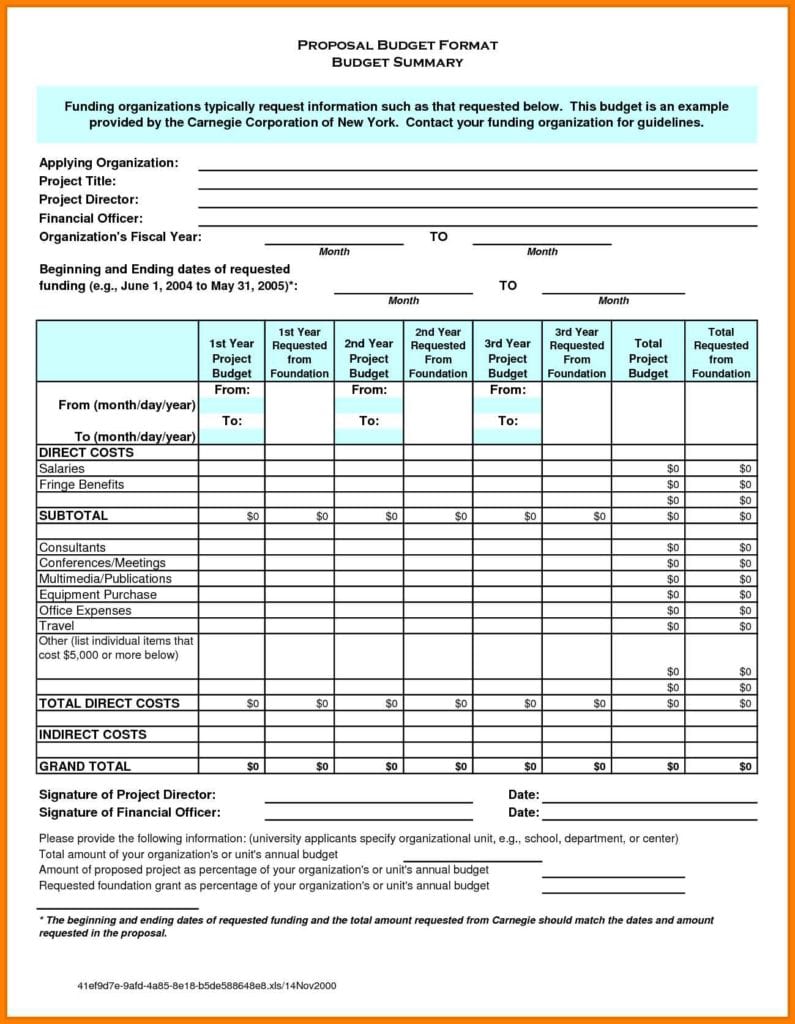 795×1024 event budget planning worksheet excelxocom from excelxo.com
  1275×1650 images event budget worksheet profit budget worksheet from www.worksheeto.com
  1024×690 event planning budget sheet excelxocom from excelxo.com
  1024×664 event planning budget template excelxocom from excelxo.com
  750×1062 event budget cost planning templates excel worksheets from www.wordtemplatesonline.net
  1245×1618 event planning budget template sampletemplatess sampletemplatess from www.sampletemplatess.com
  680×934 event budget template google docs google sheets ms excel from www.template.net
 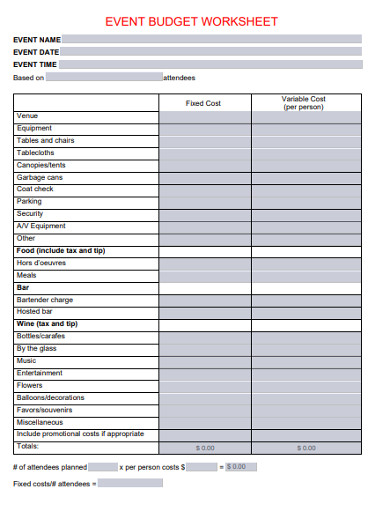 390×505 event budget examples from www.examples.com
  696×900 event budget template word formats from www.dexform.com


Event Planning Budget Worksheet :
Event Planning Budget Worksheet was posted in October 21, 2025 at 1:26 pm. If you wanna have it as yours, please click the Pictures and you will go to click right mouse then Save Image As and Click Save and download the Event Planning Budget Worksheet Picture.. Don’t forget to share this picture with others via Facebook, Twitter, Pinterest or other social medias! we do hope you'll get inspired by SampleTemplates123... Thanks again! If you have any DMCA issues on this post, please contact us!
Related For Event Planning Budget Worksheet

Free Payroll Budget Deduction Agree
Free Payroll Budget Deduction Agreement PDF Restaurant Table Reservation
Sample Household Budget Planner PDF
Sample Household Budget Planner PDF Download Sample Retail ManagementBudget Planner For Introverts
Budget Planner for Introverts: Mastering Finances Without the Overwhelm