Landlord Property Budget Template
Okay, here’s an HTML formatted explanation of a landlord property budget template, aiming for around 1000 words: “`html
Landlord Property Budget Template: A Comprehensive Guide
Creating and adhering to a budget is crucial for successful property management. A well-structured landlord property budget template provides a clear roadmap for financial planning, allowing you to track income and expenses, anticipate potential issues, and maximize profitability. This guide will walk you through the essential components of a landlord property budget template, explaining each section in detail and offering practical tips for effective budget management.
Why Use a Landlord Property Budget Template?
Before diving into the specifics, let’s highlight the key benefits of using a budget template:
- Financial Clarity: Provides a comprehensive overview of your property’s financial performance, enabling informed decision-making.
- Profitability Tracking: Helps you monitor income and expenses to assess the profitability of your rental property.
- Expense Control: Allows you to identify areas where you can reduce costs and improve efficiency.
- Cash Flow Management: Enables you to anticipate cash flow needs and avoid financial shortfalls.
- Investment Planning: Provides data for evaluating the long-term potential of your investment property.
- Tax Preparation: Simplifies tax filing by providing organized financial records.
- Loan Applications: Presents a clear picture of your property’s financial health, which is crucial when applying for loans or refinancing.
- Performance Evaluation: Compares actual performance against budgeted projections to identify areas for improvement.
Key Components of a Landlord Property Budget Template
A comprehensive landlord property budget template should include the following sections:
1. Property Information
Begin by clearly identifying the property being budgeted for. This section should include:
- Property Address: The full address of the rental property.
- Unit Number (if applicable): If the property contains multiple units, specify the unit number.
- Property Type: Indicate whether it’s a single-family home, apartment, condo, duplex, etc.
- Mortgage Information: Include details like the loan amount, interest rate, and monthly payment.
2. Income Section
This section details all sources of income related to the property:
- Rent Income: The most significant source of income. List the monthly rent amount. If you have multiple units, list the rent for each unit separately. Factor in vacancy periods when estimating annual rent income. A conservative approach is to assume a certain percentage vacancy rate (e.g., 5% or 10%) to account for potential periods without a tenant.
- Late Fees: Income from late rent payments. Estimate this based on historical data or industry averages. Be mindful of local laws regarding late fees.
- Application Fees: Fees collected from prospective tenants.
- Pet Fees/Rent: If you allow pets, include any pet fees or monthly pet rent.
- Laundry Income (if applicable): Income generated from shared laundry facilities.
- Parking Fees (if applicable): Income from parking spaces.
- Storage Fees (if applicable): Income from storage units on the property.
- Other Income: Any other income sources related to the property, such as vending machines or advertising revenue.
3. Expense Section
This is the most detailed and crucial section of the budget. Categorize expenses to provide better insight and analysis:
A. Mortgage & Financing Costs
- Mortgage Payment (Principal & Interest): The monthly mortgage payment, broken down into principal and interest components.
- Property Taxes: Annual property taxes, divided by 12 for a monthly amount. Check your local assessor’s office for accurate figures. Consider potential tax increases.
- Property Insurance: Annual property insurance premium, divided by 12 for a monthly amount. Shop around for the best rates.
- PMI (Private Mortgage Insurance): If applicable, include the monthly PMI payment.
- HOA Fees (Homeowners Association): If the property is part of an HOA, include the monthly fees.
B. Operating Expenses
- Property Management Fees: If you use a property management company, include their fees (usually a percentage of the rent).
- Maintenance & Repairs: A crucial expense category. Allocate a reasonable amount for routine maintenance (e.g., plumbing, electrical, appliance repairs). It’s wise to overestimate this category. Consider setting aside a percentage of the rent (e.g., 5-10%) for repairs. Distinguish between routine maintenance and major repairs, which might warrant a separate reserve fund.
- Landscaping: Costs associated with lawn care, gardening, and tree trimming.
- Utilities (if paid by landlord): Include costs for water, sewer, gas, electricity, and trash removal if these are the landlord’s responsibility.
- Pest Control: Costs for pest control services.
- Cleaning: Costs for cleaning services between tenants or for common areas.
- Snow Removal: Costs for snow removal services (if applicable).
- Security: Costs for security systems or services.
C. Vacancy Costs
- Lost Rent: Account for potential vacancy periods. Estimate the number of months the property might be vacant and multiply by the monthly rent. This is a *critical* element of responsible budgeting.
- Advertising/Marketing: Costs associated with advertising the property to attract new tenants.
- Tenant Screening: Costs for background checks and credit reports.
- Leasing Fees: Commissions paid to leasing agents (if applicable).
D. Capital Expenditures (CAPEX)
These are major expenses that improve the property’s value or extend its useful life. They should be budgeted separately from regular maintenance.
- Roof Replacement: Estimate the cost and timeframe for future roof replacement.
- HVAC Replacement: Estimate the cost and timeframe for replacing the heating, ventilation, and air conditioning system.
- Appliance Replacement: Budget for replacing appliances as they age.
- Flooring Replacement: Budget for replacing carpets or flooring.
- Painting: Budget for interior and exterior painting.
4. Cash Flow Analysis
This section calculates the property’s cash flow by subtracting total expenses from total income.
- Gross Income: Total income from all sources.
- Total Expenses: Sum of all expenses.
- Net Operating Income (NOI): Gross Income – Operating Expenses (excluding mortgage payments and capital expenditures). This is a key metric for evaluating the property’s profitability.
- Cash Flow: Net Operating Income – Mortgage Payment – Capital Expenditures. This represents the actual cash you have left over each month. A positive cash flow is desirable.
5. Budget vs. Actual Analysis
Regularly compare your budgeted figures with your actual income and expenses. This will help you identify variances and make necessary adjustments to your budget. Use a spreadsheet to easily track these differences.
Tips for Effective Budget Management
- Be Realistic: Don’t underestimate expenses or overestimate income. Use historical data and market research to create accurate projections.
- Regularly Review and Update: Review your budget monthly or quarterly and update it as needed based on changes in income, expenses, or market conditions.
- Track Expenses Diligently: Keep accurate records of all income and expenses. Use accounting software or a spreadsheet to track your finances.
- Create a Reserve Fund: Set aside funds for unexpected repairs and vacancies. Aim to have at least 3-6 months of operating expenses in reserve.
- Separate Personal and Business Finances: Keep your personal and business finances separate to simplify tax preparation and avoid commingling funds.
- Seek Professional Advice: Consult with a financial advisor or accountant for personalized guidance.
- Use Technology: Leverage property management software or budgeting apps to streamline the process.
Conclusion
A well-designed and diligently managed landlord property budget template is an indispensable tool for maximizing profitability and ensuring the long-term success of your rental property investments. By carefully tracking income and expenses, anticipating potential issues, and making informed financial decisions, you can achieve your financial goals and build a thriving real estate portfolio.
“`
 250×300 property management excel spreadsheet landlord expense commercial from dremelmicro.com
 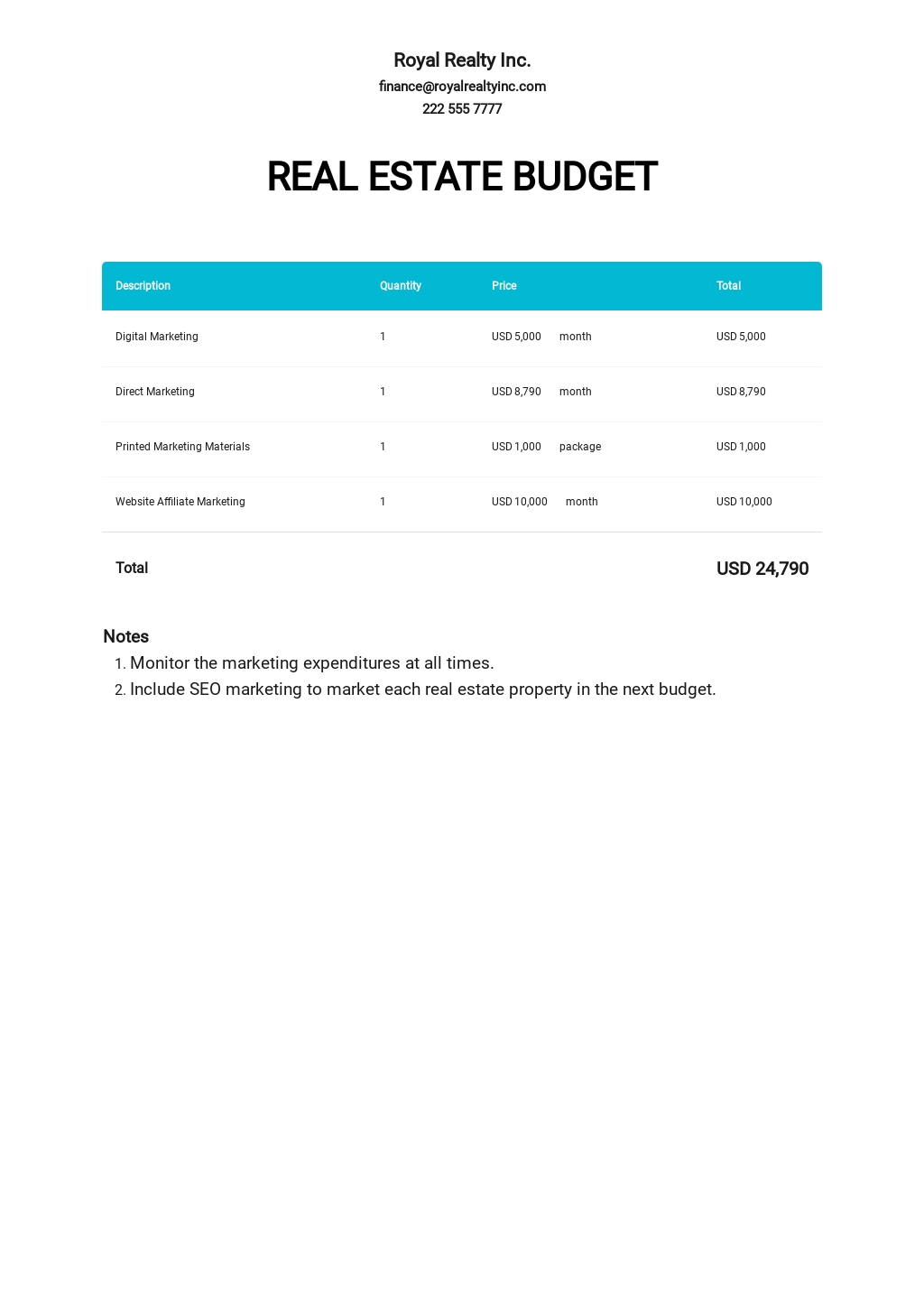 1024×1446 property budget templates word google docs from www.template.net
  1275×1650 landlord excel template property managementsheet expenses from db-excel.com
  250×300 printable property management excel spreadsheet landlord expense from dremelmicro.com
  768×1086 rental property budget spreadsheet budgeting template from db-excel.com
  791×1024 landlord expenses spreadsheet landlord expenses spreadsheet from db-excel.com
  1348×772 landlord costs spreadsheet landlord accounting spreadsheet from db-excel.com
  1024×791 landlord assessment spreadsheet landlord rental expense from db-excel.com
  768×988 landlord costs spreadsheet intended landlord expenses spreadsheet from db-excel.com


Landlord Property Budget Template :
Landlord Property Budget Template was posted in October 17, 2025 at 5:29 am. If you wanna have it as yours, please click the Pictures and you will go to click right mouse then Save Image As and Click Save and download the Landlord Property Budget Template Picture.. Don’t forget to share this picture with others via Facebook, Twitter, Pinterest or other social medias! we do hope you'll get inspired by SampleTemplates123... Thanks again! If you have any DMCA issues on this post, please contact us!
Related For Landlord Property Budget Template

Free Yearly Family Budget Template
Free Yearly Family Budget Template Free Share Certificate Generator
Domestic Touring Budget PDF Downloa
Domestic Touring Budget PDF Download Scrapbook Calendar TemplateSample BusinessPersonal Finance TikTok Budget Temp
Personal Finance TikTok Budget Templates: Your Guide to Viral