Newlywed Budget Planning Worksheet
Newlywed Budget Planning Worksheet: Building a Financial Foundation Together
Marriage is a beautiful journey, but it also marks the beginning of a shared financial life. Successfully navigating this new terrain requires open communication, collaborative planning, and a solid understanding of each other’s financial habits. A newlywed budget planning worksheet is an invaluable tool for building a strong financial foundation together. It helps you consolidate your finances, identify shared goals, and create a roadmap for achieving them.
Why a Budget Planning Worksheet is Essential for Newlyweds
Starting married life with a clear budget offers several advantages:
- Transparency and Understanding: It forces you to openly discuss your income, expenses, debts, and financial goals. This transparency fosters trust and minimizes potential conflicts related to money.
- Financial Alignment: You might have different spending habits and financial priorities. The worksheet helps you identify these differences and find common ground.
- Debt Management: Many couples enter marriage with pre-existing debt. The worksheet facilitates a clear understanding of the total debt burden and allows you to develop a coordinated debt repayment strategy.
- Savings Goals: Whether it’s a down payment on a house, a dream vacation, or retirement savings, the worksheet helps you prioritize and allocate funds towards shared goals.
- Emergency Preparedness: Life throws curveballs. The worksheet helps you plan for unexpected expenses and build an emergency fund to weather financial storms.
- Reduced Financial Stress: Knowing where your money is going and having a plan for the future significantly reduces financial stress and anxiety.
Components of a Newlywed Budget Planning Worksheet
A comprehensive budget planning worksheet typically includes the following sections:
1. Income
This section focuses on identifying all sources of income for both partners. Be accurate and realistic; avoid overestimating income.
- Salaries/Wages: List your gross monthly income before taxes and deductions.
- Self-Employment Income: If either of you is self-employed, estimate your average monthly net income after deducting business expenses and taxes. This can fluctuate, so average several months to get a realistic figure.
- Investment Income: Include any income from investments such as dividends, interest, or rental properties.
- Other Income: List any other sources of income, such as alimony, child support, or government benefits.
Actionable Tip: Collect recent pay stubs, bank statements, and tax returns to accurately determine your income.
2. Expenses
This is the most detailed section and requires careful tracking of all your spending. Differentiate between fixed and variable expenses.
Fixed Expenses
These expenses remain relatively constant each month.
- Housing: Rent or mortgage payment, property taxes, homeowners insurance.
- Utilities: Electricity, gas, water, trash, internet, cable.
- Transportation: Car payments, car insurance, gas, public transportation, maintenance.
- Insurance: Health insurance premiums, life insurance premiums.
- Debt Payments: Student loans, credit card debt, personal loans.
- Subscriptions: Streaming services, gym memberships, other recurring subscriptions.
Variable Expenses
These expenses fluctuate from month to month.
- Food: Groceries, dining out.
- Clothing: New clothes, dry cleaning.
- Personal Care: Haircuts, toiletries, cosmetics.
- Entertainment: Movies, concerts, hobbies.
- Gifts: Birthday gifts, holiday gifts.
- Travel: Vacations, weekend getaways.
- Medical Expenses: Doctor visits, prescriptions, over-the-counter medications.
- Household Supplies: Cleaning supplies, paper towels, etc.
- Miscellaneous: Unforeseen expenses, personal spending money.
Actionable Tip: Track your spending for at least one month to get a clear picture of your expenses. Use budgeting apps, spreadsheets, or even a notebook to record every purchase. Don’t forget about small, seemingly insignificant expenses; they add up quickly.
3. Debt
Compile a comprehensive list of all outstanding debts, including:
- Type of Debt: Student loans, credit card debt, auto loans, personal loans, mortgage.
- Creditor: The institution you owe money to.
- Interest Rate: The annual percentage rate (APR).
- Minimum Payment: The minimum amount due each month.
- Outstanding Balance: The total amount you still owe.
Actionable Tip: Consider prioritizing debt repayment using the debt snowball or debt avalanche method. The debt snowball focuses on paying off the smallest balance first, while the debt avalanche focuses on paying off the highest interest rate first. Choose the method that best motivates you.
4. Savings and Investments
Allocate funds towards your savings and investment goals. These are not expenses, but rather allocations towards future financial security.
- Emergency Fund: Aim for 3-6 months of living expenses in a readily accessible account.
- Retirement Savings: Contribute to 401(k)s, IRAs, or other retirement accounts. Consider matching employer contributions.
- Down Payment Fund: Save for a down payment on a house or other large purchase.
- Investment Account: Invest in stocks, bonds, or mutual funds to grow your wealth over time.
- Other Savings Goals: Vacation fund, education fund, etc.
Actionable Tip: Automate your savings by setting up automatic transfers from your checking account to your savings and investment accounts. This “pay yourself first” strategy ensures that you consistently save towards your goals.
5. Financial Goals
Define your short-term, medium-term, and long-term financial goals. Be specific and measurable.
- Short-Term Goals (1-3 years): Paying off credit card debt, building an emergency fund, saving for a vacation.
- Medium-Term Goals (3-5 years): Saving for a down payment on a house, buying a new car, starting a family.
- Long-Term Goals (5+ years): Retirement planning, paying off a mortgage, funding children’s education.
Actionable Tip: Write down your goals and revisit them regularly. This will help you stay motivated and focused on achieving your financial objectives. Discuss these goals together and ensure you are both on the same page.
Using the Worksheet to Create Your Budget
- Gather Information: Collect all necessary documents, such as pay stubs, bank statements, and credit card statements.
- Fill in the Worksheet: Accurately record your income, expenses, debts, and savings goals in the appropriate sections.
- Calculate the Difference: Subtract your total expenses and savings from your total income. This will reveal whether you have a surplus or a deficit.
- Analyze and Adjust: If you have a deficit, identify areas where you can cut back on spending. If you have a surplus, decide how to allocate those funds towards your savings and investment goals.
- Communicate and Collaborate: Discuss the worksheet together and make adjustments as needed. Be open to compromise and find solutions that work for both of you.
- Review and Update: Your budget is not set in stone. Review and update it regularly, at least monthly, to account for changes in income, expenses, and financial goals.
Tips for Newlywed Budgeting Success
- Open Communication: Talk openly and honestly about money. Discuss your financial past, present, and future.
- Joint Decision-Making: Make financial decisions together. Avoid unilateral spending that could lead to conflict.
- Compromise: Be willing to compromise on spending habits and financial priorities.
- Automate Savings: Set up automatic transfers to your savings and investment accounts.
- Regular Review: Review your budget regularly and make adjustments as needed.
- Seek Professional Advice: Consider consulting with a financial advisor for personalized guidance.
- Celebrate Successes: Acknowledge and celebrate your financial achievements, no matter how small. This will help you stay motivated and on track.
A newlywed budget planning worksheet is more than just a spreadsheet; it’s a foundation for a strong and financially secure marriage. By working together, communicating openly, and planning strategically, you can achieve your financial goals and build a bright future together.
 1275×1650 wedding budget worksheet template db excelcom from db-excel.com
  2550×3300 wedding budget worksheet cheers confetti blog eventective from blog.eventective.com
  2496×3019 wedding budget worksheet edit fill sign handypdf from handypdf.com
  736×1024 wedding budget worksheet excel db excelcom from db-excel.com
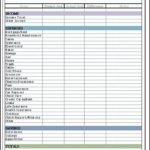


Newlywed Budget Planning Worksheet :
Newlywed Budget Planning Worksheet was posted in September 23, 2025 at 1:24 pm. If you wanna have it as yours, please click the Pictures and you will go to click right mouse then Save Image As and Click Save and download the Newlywed Budget Planning Worksheet Picture.. Don’t forget to share this picture with others via Facebook, Twitter, Pinterest or other social medias! we do hope you'll get inspired by SampleTemplates123... Thanks again! If you have any DMCA issues on this post, please contact us!
Related For Newlywed Budget Planning Worksheet

Example Construction Budget Templat
Example Construction Budget Template Non Profit Budget Template ExcelCover
Construction Procurement Reform Bud
Construction Procurement Reform Budget Development Word Format Valentines Day