Leadership Training Agenda Sample
“`html
Leadership Training Agenda Sample: Cultivating Effective Leaders
This sample leadership training agenda outlines a comprehensive program designed to equip participants with the essential skills, knowledge, and perspectives needed to excel in leadership roles. The program focuses on practical application, interactive learning, and real-world scenarios to foster impactful leadership development.
Program Overview
Target Audience: Emerging leaders, team leaders, supervisors, and managers at all levels.
Program Duration: 3 days (adaptable based on specific needs)
Program Objectives: Upon completion of this program, participants will be able to:
- Define effective leadership and differentiate various leadership styles.
- Communicate effectively and inspire others through clear vision and messaging.
- Build and manage high-performing teams through trust, collaboration, and empowerment.
- Make sound decisions under pressure using critical thinking and problem-solving techniques.
- Lead with emotional intelligence and navigate challenging interpersonal dynamics.
- Drive innovation and adapt to change in a dynamic environment.
- Develop a personal leadership development plan for continuous growth.
Detailed Agenda
Day 1: Foundations of Leadership
Morning Session (9:00 AM – 12:00 PM): Defining Leadership and Understanding Self
- Module 1: Introduction to Leadership
- Welcome and Icebreaker: Creating a collaborative learning environment.
- Defining Leadership: Exploring different perspectives and debunking myths.
- The Importance of Leadership: Understanding the impact of leadership on organizational success.
- Interactive Activity: Group discussion on leadership qualities and experiences.
- Module 2: Self-Awareness and Leadership Styles
- Self-Assessment: Identifying personal strengths, weaknesses, and leadership preferences (e.g., DISC assessment, Myers-Briggs).
- Exploring Leadership Styles: Autocratic, Democratic, Laissez-faire, Transformational, Servant Leadership.
- Situational Leadership: Adapting leadership style based on context and team needs.
- Case Study: Analyzing leadership styles in real-world scenarios.
Afternoon Session (1:00 PM – 4:00 PM): Communication and Influence
- Module 3: Effective Communication Skills
- Verbal and Nonverbal Communication: Mastering active listening, clear articulation, and body language.
- Giving and Receiving Feedback: Providing constructive criticism and embracing feedback for growth.
- Conflict Resolution: Addressing disagreements constructively and finding mutually beneficial solutions.
- Role-Playing Exercise: Practicing communication skills in simulated scenarios.
- Module 4: Influencing and Persuasion
- Understanding Influence: Principles of persuasion and building rapport.
- Building Trust and Credibility: Earning the respect and confidence of others.
- Negotiation Skills: Achieving win-win outcomes through effective negotiation strategies.
- Group Activity: Developing persuasive arguments and presenting to the group.
Day 2: Building and Managing High-Performing Teams
Morning Session (9:00 AM – 12:00 PM): Team Dynamics and Collaboration
- Module 5: Understanding Team Dynamics
- Stages of Team Development: Forming, Storming, Norming, Performing, Adjourning.
- Team Roles and Responsibilities: Defining roles to maximize team effectiveness (e.g., Belbin Team Roles).
- Addressing Team Dysfunction: Identifying and overcoming common team challenges.
- Interactive Exercise: Team-building activity to foster collaboration and communication.
- Module 6: Building a Collaborative Environment
- Creating a Culture of Trust: Fostering open communication and mutual respect.
- Empowering Team Members: Delegating effectively and providing opportunities for growth.
- Managing Conflict Within Teams: Mediating disputes and promoting constructive dialogue.
- Case Study: Analyzing team dynamics in different organizational contexts.
Afternoon Session (1:00 PM – 4:00 PM): Motivation and Performance Management
- Module 7: Motivating and Engaging Employees
- Understanding Motivation Theories: Maslow’s Hierarchy of Needs, Herzberg’s Two-Factor Theory.
- Recognizing and Rewarding Performance: Implementing effective performance management systems.
- Providing Meaningful Feedback: Delivering constructive criticism and positive reinforcement.
- Group Discussion: Sharing best practices for employee motivation and engagement.
- Module 8: Performance Management and Accountability
- Setting Clear Expectations: Defining goals, objectives, and performance metrics.
- Providing Regular Feedback and Coaching: Supporting employee development and improvement.
- Addressing Performance Issues: Implementing corrective action plans and managing underperformance.
- Role-Playing Exercise: Practicing performance management techniques in simulated scenarios.
Day 3: Strategic Leadership and Continuous Improvement
Morning Session (9:00 AM – 12:00 PM): Decision-Making and Problem-Solving
- Module 9: Critical Thinking and Decision-Making
- Identifying and Analyzing Problems: Defining the root cause and gathering relevant information.
- Developing and Evaluating Alternatives: Brainstorming potential solutions and assessing their feasibility.
- Making Informed Decisions: Weighing the pros and cons and selecting the best course of action.
- Case Study: Analyzing complex business problems and developing solutions.
- Module 10: Innovation and Change Management
- Fostering a Culture of Innovation: Encouraging creativity and experimentation.
- Leading Change Effectively: Communicating the vision, addressing resistance, and implementing change initiatives.
- Adapting to a Dynamic Environment: Embracing new technologies and strategies.
- Group Activity: Developing innovative solutions to current organizational challenges.
Afternoon Session (1:00 PM – 4:00 PM): Emotional Intelligence and Personal Development
- Module 11: Emotional Intelligence in Leadership
- Understanding Emotional Intelligence: Self-awareness, self-regulation, motivation, empathy, and social skills.
- Managing Emotions Effectively: Responding to challenging situations with composure and empathy.
- Building Strong Relationships: Fostering trust and rapport with team members and stakeholders.
- Interactive Exercise: Identifying and managing emotional triggers.
- Module 12: Personal Leadership Development Plan
- Identifying Personal Strengths and Weaknesses: Reflecting on personal leadership style and areas for improvement.
- Setting SMART Goals: Developing specific, measurable, achievable, relevant, and time-bound goals.
- Creating an Action Plan: Outlining specific steps to achieve leadership development goals.
- Program Wrap-Up and Evaluation: Reviewing key concepts and providing feedback on the program.
Note: This agenda is a sample and can be customized to meet the specific needs of the organization and participants. Consider incorporating relevant industry-specific examples and case studies.
“`
 390×475 sample training agenda templates ms word from www.sampletemplates.com
  1092×1249 leadership training agenda word formats from www.dexform.com
  736×952 leadership training agenda template create effective agendas from www.pinterest.com
  696×900 leadership training agenda word formats page from www.dexform.com
  585×650 training agenda templates sample format from www.template.net
  580×580 training agenda samples ms word from www.sampletemplates.com
  816×1056 leadership training agenda from www.bizzlibrary.com
  700×531 training agenda template word effective agendas dotxes from www.dotxes.com
 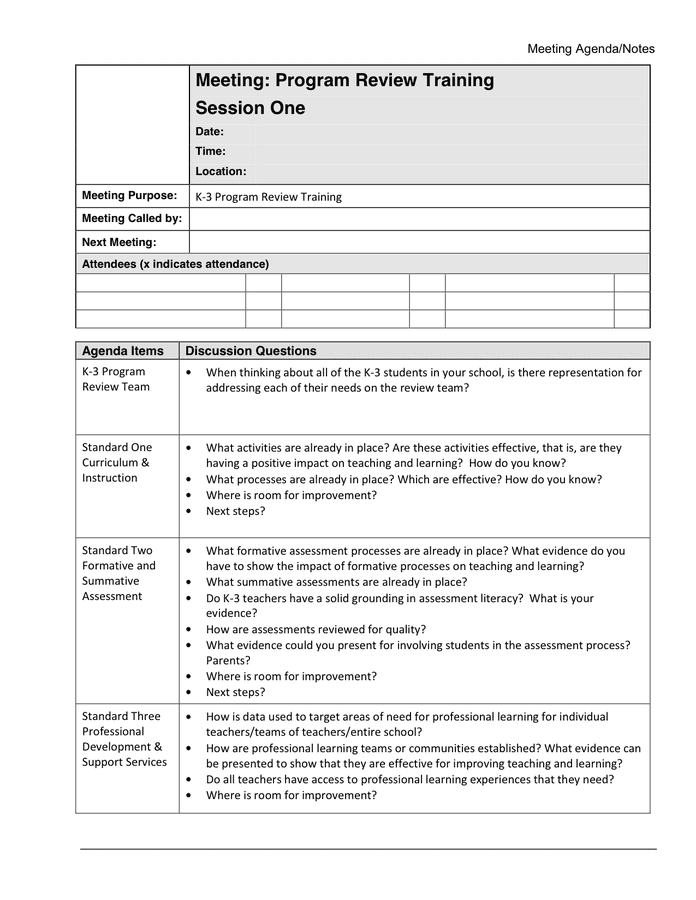 696×900 training agenda template documents word excel from www.dexform.com
  600×730 leadership agenda templates from www.template.net
 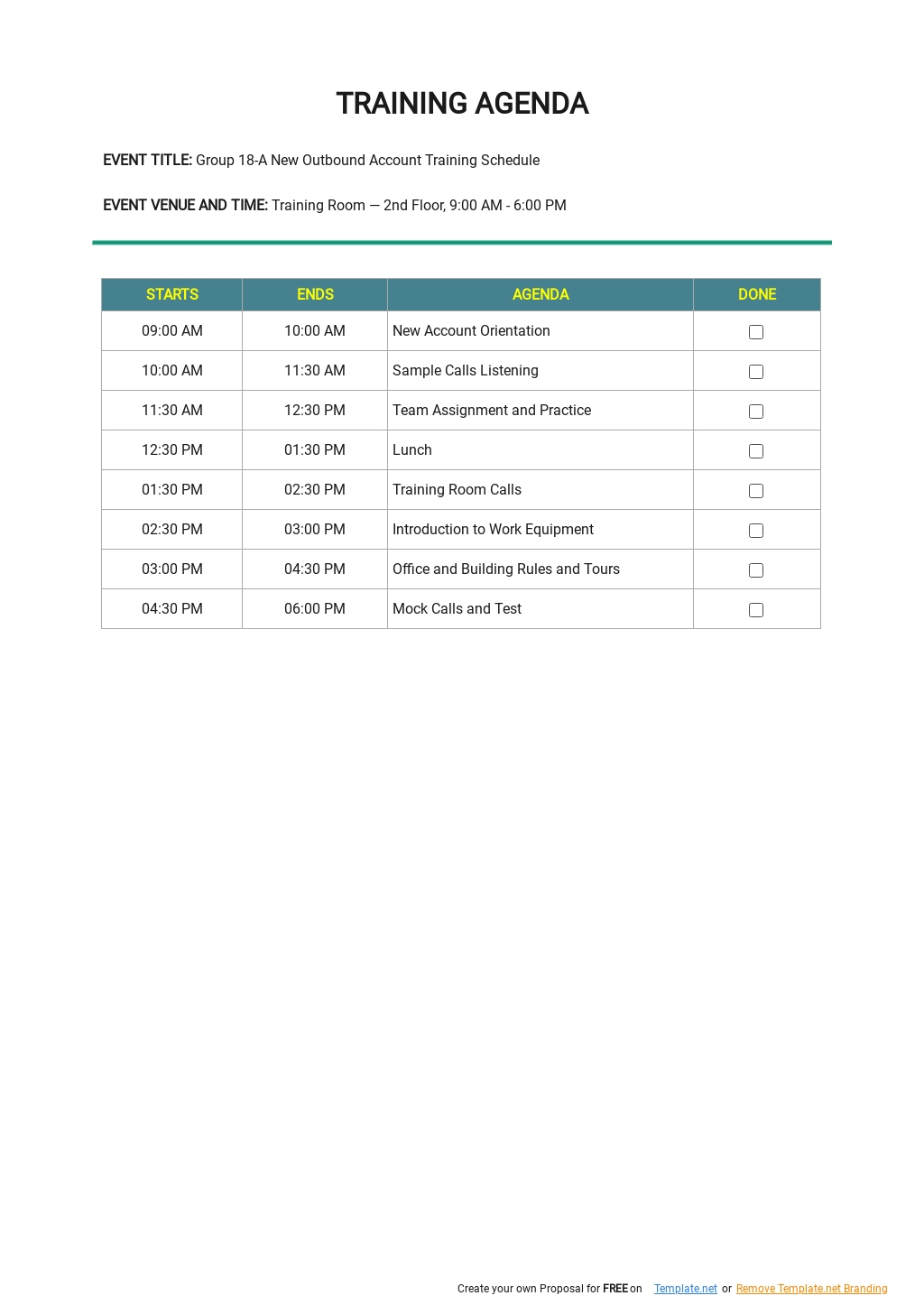 1024×1446 training agenda template templatenet from www.template.net
  2480×3508 training agenda template sfivebandcom from www.sfiveband.com
 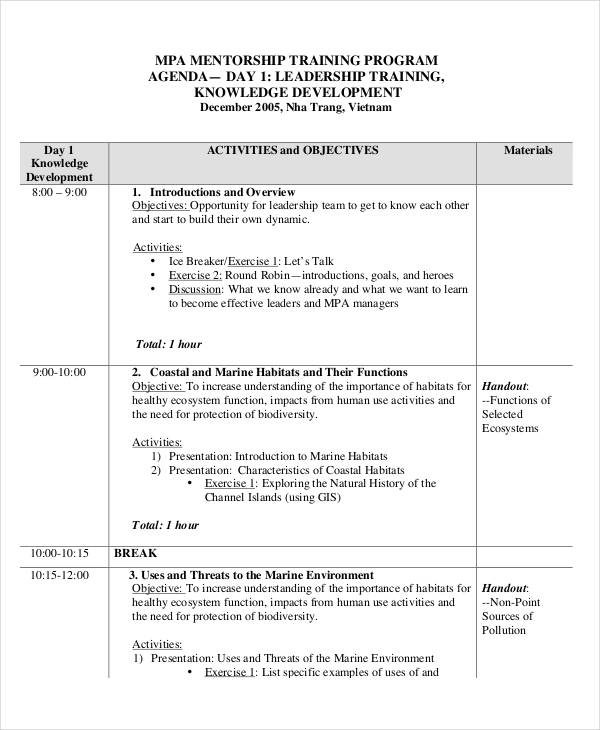 600×730 training agenda examples from www.examples.com
  2550×3300 sample training agenda template from template.mapadapalavra.ba.gov.br
  2550×3300 training agenda schedule sample templates allbusinesstemplatescom from www.allbusinesstemplates.com
  600×730 leadership agenda template from combos2016.diariodolitoral.com.br
  768×1024 training agenda template examples professional templates ideas from vancecountyfair.com
  800×451 excelword leadership training plan template from www.zavvy.io
  750×976 format training agenda templates from www.wordtemplatesonline.net
  2550×3300 sample training agenda format templates allbusinesstemplatescom from www.allbusinesstemplates.com


Leadership Training Agenda Sample :
Leadership Training Agenda Sample was posted in May 28, 2025 at 9:05 pm. If you wanna have it as yours, please click the Pictures and you will go to click right mouse then Save Image As and Click Save and download the Leadership Training Agenda Sample Picture.. Don’t forget to share this picture with others via Facebook, Twitter, Pinterest or other social medias! we do hope you'll get inspired by SampleTemplates123... Thanks again! If you have any DMCA issues on this post, please contact us!