Employee Task Agenda Form
Employee Task Agenda Form: A Comprehensive Guide
The Employee Task Agenda Form is a vital tool for optimizing workforce productivity and ensuring clear communication regarding responsibilities and deadlines. It serves as a structured document outlining the tasks assigned to an employee, their expected completion dates, and any pertinent details needed for successful execution. This guide provides a comprehensive overview of the form’s purpose, benefits, key components, best practices for implementation, and considerations for maximizing its effectiveness.
Purpose and Benefits
The primary purpose of an Employee Task Agenda Form is to provide a formalized system for task management, ensuring alignment between employee efforts and organizational goals. Its benefits extend to both employees and management:
- Clarity and Direction: The form eliminates ambiguity regarding task assignments, providing employees with a clear understanding of their responsibilities and priorities.
- Improved Accountability: By documenting assigned tasks and deadlines, the form fosters accountability, encouraging employees to take ownership of their work.
- Enhanced Communication: The form serves as a communication tool, facilitating discussions between employees and supervisors regarding task expectations and potential challenges.
- Better Time Management: The structured format encourages employees to plan their work effectively, prioritizing tasks and allocating time accordingly.
- Increased Productivity: By providing clarity and structure, the form contributes to improved focus and efficiency, leading to increased productivity.
- Performance Tracking: The form allows supervisors to track employee progress, monitor task completion rates, and identify areas for improvement.
- Objective Performance Evaluation: The completed forms provide objective data for performance reviews, ensuring fair and accurate assessments of employee contributions.
- Reduced Miscommunication: Having tasks formally documented minimizes the risk of misunderstandings or conflicting expectations.
- Streamlined Workflow: By organizing tasks and deadlines, the form contributes to a more streamlined and efficient workflow across the organization.
- Proactive Problem Solving: Regular review of the agenda allows for early identification of potential roadblocks and proactive implementation of solutions.
Key Components of an Employee Task Agenda Form
A well-designed Employee Task Agenda Form should include the following key components:
- Employee Information: Employee name, department, and job title.
- Supervisor Information: Supervisor name and contact details.
- Task Description: A clear and concise description of each assigned task. This should be specific enough to avoid ambiguity.
- Priority Level: A designated priority level for each task (e.g., High, Medium, Low). This helps employees prioritize their work effectively.
- Start Date: The date on which the employee is expected to begin working on the task.
- Due Date/Deadline: The date by which the task must be completed.
- Estimated Time Required: An estimate of the time required to complete each task. This helps with time management and resource allocation.
- Resources Required: A list of any resources needed to complete the task, such as equipment, software, or access to specific information.
- Status Updates: A section for tracking the progress of each task (e.g., Not Started, In Progress, Completed, Blocked).
- Comments/Notes: A space for additional notes, comments, or instructions related to the task. This can be used to clarify any ambiguities or provide further context.
- Completion Date: The actual date on which the task was completed.
- Supervisor Approval/Sign-off: A section for supervisor approval and sign-off upon completion of the task.
- Review Date: A date scheduled for review of the agenda and task progress.
Best Practices for Implementation
To maximize the effectiveness of the Employee Task Agenda Form, consider the following best practices:
- Use a Standardized Template: Implement a standardized template for all employees to ensure consistency and ease of use. This template should be easily accessible, either electronically or in hard copy.
- Provide Training: Train employees and supervisors on how to use the form effectively. This training should cover the purpose of the form, how to complete it accurately, and how to use it for communication and performance tracking.
- Collaborative Task Assignment: Encourage collaborative task assignment, involving employees in the planning and prioritization process. This fosters a sense of ownership and increases employee engagement.
- Regular Review and Updates: Schedule regular reviews of the agenda to track progress, identify potential problems, and make necessary adjustments. The frequency of these reviews will depend on the nature of the work and the project timelines.
- Realistic Deadlines: Set realistic deadlines for each task, taking into account the employee’s workload and other commitments. Avoid setting overly ambitious deadlines that can lead to stress and burnout.
- Clear and Concise Language: Use clear and concise language when describing tasks and providing instructions. Avoid jargon or technical terms that may be confusing to the employee.
- Flexibility and Adaptability: Be flexible and adaptable to changing circumstances. Allow for adjustments to the agenda as needed, recognizing that priorities may shift or unexpected events may occur.
- Integrate with Other Systems: Consider integrating the Employee Task Agenda Form with other project management or performance management systems to streamline workflows and improve data visibility.
- Feedback and Continuous Improvement: Solicit feedback from employees and supervisors on the effectiveness of the form and make continuous improvements based on their input.
- Accessibility: Ensure the form is accessible to all employees, regardless of their physical abilities or technological skills. Consider providing alternative formats or assistive technologies as needed.
Considerations for Maximizing Effectiveness
In addition to the best practices outlined above, consider the following factors to maximize the effectiveness of the Employee Task Agenda Form:
- Company Culture: Adapt the form and its implementation to the specific culture of your organization. Consider factors such as communication styles, management practices, and employee expectations.
- Job Roles: Tailor the form to the specific requirements of different job roles. Some roles may require more detailed task descriptions, while others may require more flexibility.
- Technology: Leverage technology to automate and streamline the task management process. Consider using software or online platforms that allow for easy task assignment, tracking, and communication.
- Employee Empowerment: Empower employees to take ownership of their tasks and to contribute to the planning and prioritization process. This can lead to increased engagement and motivation.
- Regular Communication: Maintain open and regular communication between employees and supervisors regarding task progress, challenges, and any necessary adjustments.
- Positive Reinforcement: Provide positive reinforcement and recognition for successful task completion. This can help to motivate employees and foster a positive work environment.
By implementing an Employee Task Agenda Form effectively and considering these factors, organizations can significantly improve workforce productivity, enhance communication, and foster a culture of accountability and achievement.
 1002×602 employee task list templates office files from www.bestofficefiles.com
  2136×1252 employee task list template jotform tables from www.jotform.com
  719×557 daily task sheet employee printable receipt template from www.printablereceipttemplate.com
  903×1219 monthly task calendar template weekly employee schedule template from doctemplates.us
  1012×737 task form template from lesboucans.com
  2550×3300 employee agenda schedule templates allbusinesstemplatescom from www.allbusinesstemplates.com
  1187×1536 staff management meeting agenda template word eforms from eforms.com
  600×730 agenda templates from www.template.net


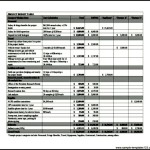

Employee Task Agenda Form :
Employee Task Agenda Form was posted in May 31, 2025 at 5:09 pm. If you wanna have it as yours, please click the Pictures and you will go to click right mouse then Save Image As and Click Save and download the Employee Task Agenda Form Picture.. Don’t forget to share this picture with others via Facebook, Twitter, Pinterest or other social medias! we do hope you'll get inspired by SampleTemplates123... Thanks again! If you have any DMCA issues on this post, please contact us!
Related For Employee Task Agenda Form
Timeline Update Agenda Planner
Okay, here’s some HTML-formatted content on the theme ofIT Roadmap Agenda Planner
IT Roadmap Agenda Planner IT Roadmap Agenda Planner: ACampaign Kickoff Meeting Agenda
Campaign Kickoff Meeting Agenda: Igniting Success A well-structured campaign