Team Alignment Agenda Sample
Team Alignment Agenda Sample
A team alignment agenda is a crucial tool for fostering collaboration, shared understanding, and a unified vision within a team. It provides a structured framework for discussing key topics, addressing potential conflicts, and solidifying commitment towards common goals. A well-crafted agenda ensures productive meetings, minimizes distractions, and maximizes the likelihood of achieving desired outcomes. This document presents a sample agenda, along with explanations of each section and considerations for adapting it to specific team needs.
Sample Team Alignment Agenda
Meeting Title: Team Alignment & Strategy Review
Date: [Date of Meeting]
Time: [Start Time] – [End Time] (e.g., 9:00 AM – 10:30 AM)
Location: [Meeting Room/Virtual Meeting Link]
Attendees: [List of Attendees]
Facilitator: [Name of Facilitator]
Agenda Items:
- Welcome & Icebreaker (5 minutes)
- Brief welcome and introduction by the facilitator.
- Quick icebreaker activity (e.g., “What’s one thing you’re hoping to accomplish this week?”).
- Review of Previous Action Items (10 minutes)
- Review action items from the previous team alignment meeting.
- Discuss the status of each action item (Completed, In Progress, Delayed).
- Identify any roadblocks and assign responsibility for resolution.
- Project/Initiative Updates (20 minutes)
- Each team member or relevant subgroup provides a brief update on their assigned projects/initiatives.
- Focus on progress made, key milestones achieved, and any challenges encountered.
- Encourage open communication and cross-functional collaboration.
- Discussion: Strategic Priorities & Goals (30 minutes)
- Revisit the team’s overall strategic priorities and goals.
- Discuss progress towards achieving those goals.
- Identify any discrepancies in understanding or alignment regarding the goals.
- Brainstorm solutions to address any challenges hindering progress.
- Open Forum: Challenges, Concerns & Opportunities (15 minutes)
- Open discussion for team members to raise any challenges, concerns, or opportunities they see.
- Encourage constructive feedback and active listening.
- Facilitator to guide the discussion and ensure that all voices are heard.
- Action Items & Next Steps (5 minutes)
- Summarize key decisions and action items from the meeting.
- Assign responsibility for each action item and set deadlines.
- Schedule the next team alignment meeting.
- Meeting Wrap-up & Feedback (5 minutes)
- Thank attendees for their participation.
- Solicit feedback on the meeting’s effectiveness and identify areas for improvement.
Explanation of Agenda Items
- Welcome & Icebreaker: This segment sets a positive tone for the meeting. The icebreaker helps team members connect on a personal level, which can improve communication and collaboration throughout the meeting. A simple question or activity related to current projects or team goals works well.
- Review of Previous Action Items: This section ensures accountability and progress on previously agreed-upon tasks. It reinforces the importance of following through on commitments. Clear documentation and tracking of action items are essential for this section to be effective.
- Project/Initiative Updates: This allows team members to stay informed about each other’s work and identify potential dependencies or conflicts early on. Each update should be concise and focused on key accomplishments, challenges, and future plans. Visual aids like brief slide decks can be helpful.
- Discussion: Strategic Priorities & Goals: This is the core of the alignment process. It provides an opportunity to revisit the team’s overall direction, discuss progress, and ensure that everyone is on the same page. This section may involve analyzing data, brainstorming solutions, and making adjustments to the team’s strategy.
- Open Forum: Challenges, Concerns & Opportunities: This section creates a safe space for team members to voice their concerns, share ideas, and identify potential problems or opportunities that might otherwise go unnoticed. The facilitator should actively encourage participation and ensure that the discussion remains constructive.
- Action Items & Next Steps: This is crucial for translating discussions into concrete actions. Clearly defining action items, assigning responsibility, and setting deadlines ensures that the meeting leads to tangible results. Action items should be specific, measurable, achievable, relevant, and time-bound (SMART).
- Meeting Wrap-up & Feedback: This segment provides closure to the meeting and allows for continuous improvement. Gathering feedback on the meeting’s effectiveness helps refine the agenda and facilitation style for future sessions.
Adapting the Agenda to Specific Needs
This sample agenda serves as a starting point and can be adapted to suit the specific needs of your team. Here are some factors to consider:
- Team Size & Structure: Larger teams may require more structured updates or breakout sessions to ensure that everyone has an opportunity to contribute. Smaller teams may benefit from more informal, conversational discussions.
- Project Lifecycle: The agenda should be tailored to the current stage of the project. Early stages may focus on defining goals and roles, while later stages may focus on tracking progress and addressing challenges.
- Team Dynamics: Consider the team’s communication style and dynamics when designing the agenda. Some teams may prefer a more structured approach, while others may thrive in a more informal, collaborative environment.
- Frequency of Meetings: The frequency of team alignment meetings will influence the topics covered in each session. More frequent meetings may focus on tactical updates and short-term goals, while less frequent meetings may address more strategic issues.
- Specific Challenges or Opportunities: If the team is facing a specific challenge or pursuing a particular opportunity, dedicate more time to discussing it on the agenda.
Tips for Effective Team Alignment Meetings
- Distribute the Agenda in Advance: Allow attendees to review the agenda and prepare for the meeting.
- Start and End on Time: Respect attendees’ time and maintain focus.
- Encourage Active Participation: Create a safe space for everyone to contribute.
- Stay on Topic: Keep the discussion focused and avoid tangents.
- Document Key Decisions and Action Items: Ensure that everyone is clear on what was decided and what needs to be done.
- Follow Up on Action Items: Track progress and ensure that commitments are met.
By implementing a well-structured team alignment agenda and fostering a culture of open communication and collaboration, teams can achieve greater success in achieving their goals and driving organizational performance.
.png?width=954&name=Team Alignment Worksheet from the Niagara Institute (1).png) 954×834 team alignment worksheet from www.niagarainstitute.com
954×834 team alignment worksheet from www.niagarainstitute.com  600×730 team agenda templates sample format from www.template.net
  1876×1108 team alignment workshop template mural from www.mural.co
  406×583 team alignment program leadershipwatch from leadershipwatch-aadboot.com
 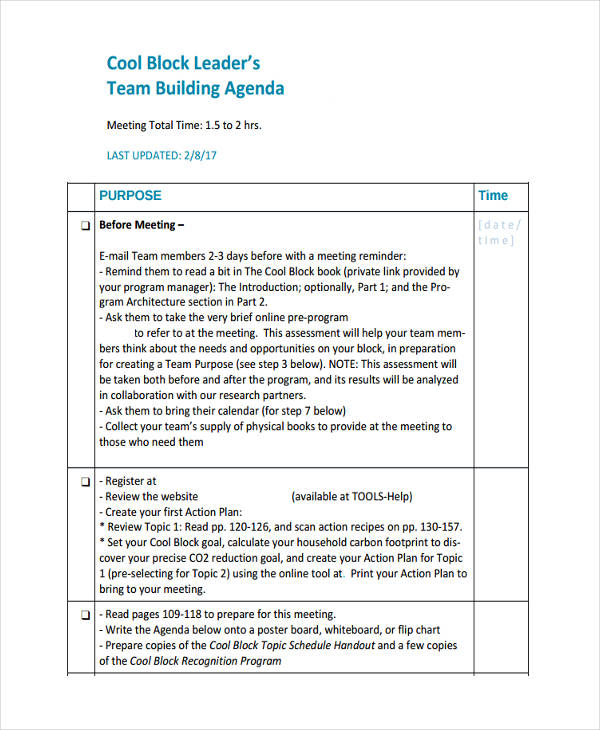 600×730 team agenda examples from www.examples.com


Team Alignment Agenda Sample :
Team Alignment Agenda Sample was posted in October 13, 2025 at 12:24 am. If you wanna have it as yours, please click the Pictures and you will go to click right mouse then Save Image As and Click Save and download the Team Alignment Agenda Sample Picture.. Don’t forget to share this picture with others via Facebook, Twitter, Pinterest or other social medias! we do hope you'll get inspired by SampleTemplates123... Thanks again! If you have any DMCA issues on this post, please contact us!