Feature Prioritization Meeting Agenda
Feature Prioritization Meeting Agenda
This document outlines the agenda for an effective feature prioritization meeting. The goal is to collaboratively determine which features should be included in the next development cycle, roadmap, or product release, based on strategic alignment, business value, technical feasibility, and available resources. A well-structured meeting ensures focused discussions, data-driven decisions, and a shared understanding among stakeholders.
I. Meeting Objectives
* Reach a consensus on the priority of proposed features. * Identify which features will be included in the upcoming release/sprint/roadmap. * Document the rationale behind prioritization decisions. * Ensure all stakeholders are aligned on the feature roadmap. * Identify potential risks and dependencies associated with prioritized features.
II. Meeting Participants
It’s crucial to have the right people in the room to ensure a productive discussion. Suggested participants include: * **Product Manager/Owner:** Owns the product vision, roadmap, and backlog. Facilitates the meeting and makes final decisions. * **Engineering Lead/Technical Architect:** Provides insights into technical feasibility, development effort, and potential risks. * **UX Designer/Researcher:** Represents the user perspective and provides data on user needs and pain points. * **Marketing/Sales Representative:** Provides insights into market trends, competitive landscape, and customer demand. * **Customer Support Representative:** Shares feedback and insights from customer interactions. * **Stakeholders (as needed):** Representatives from other departments who have a vested interest in the product’s success.
III. Pre-Meeting Preparation
To maximize the efficiency of the meeting, participants should come prepared with the following: * **Review the Feature Backlog:** Participants should familiarize themselves with the list of proposed features, including descriptions, user stories, and any supporting data (e.g., customer feedback, market research). * **Understand the Prioritization Criteria:** Be familiar with the established prioritization framework (e.g., RICE, MoSCoW, Value vs. Effort) and how each criterion is defined and measured. * **Gather Supporting Data:** Collect relevant data to support your arguments for feature prioritization, such as usage statistics, customer feedback, market research reports, or competitor analysis. * **Prepare a Concise Summary:** For each feature you strongly advocate for, prepare a brief summary highlighting its benefits, potential impact, and justification for its priority. * **Pre-Read Materials:** Distribute relevant materials (e.g., market research, customer survey results, competitor analysis) to participants in advance to allow them to prepare.
IV. Meeting Agenda (90 minutes – Sample Timeline)
This is a suggested agenda and can be adapted based on the specific context and needs of the team. **1. Introduction & Objectives (5 minutes)** * The Product Manager/Owner welcomes participants and restates the objectives of the meeting. * Briefly review the agenda and allocated time for each section. * Set the tone for a collaborative and productive discussion. **2. Review of Prioritization Framework (5 minutes)** * Briefly review the chosen prioritization framework (e.g., RICE, MoSCoW, Value vs. Effort) and ensure everyone understands the criteria. * Clarify any questions or ambiguities about the framework. **3. Feature Presentations (45 minutes – 5 minutes per feature)** * Each proposed feature is presented briefly (3-5 minutes per feature). * The presenter (usually the Product Manager, UX Designer, or stakeholder who proposed the feature) highlights the following: * **Description:** A concise overview of the feature and its functionality. * **User Benefit:** What problem does it solve for the user? What value does it provide? * **Business Value:** How does it contribute to the business goals (e.g., revenue, customer acquisition, retention)? * **Supporting Data:** Briefly present any data that supports the feature’s prioritization (e.g., customer feedback, market research). * Following each presentation, allow for brief clarification questions (1-2 minutes). Keep the discussion focused on understanding the feature, not debating its priority yet. **4. Prioritization Discussion (25 minutes)** * Facilitate a structured discussion to prioritize the features. * Focus on data-driven decision-making, using the prioritization framework as a guide. * Encourage participants to share their perspectives, insights, and concerns. * Address potential conflicts and find common ground. * Use the agreed-upon prioritization framework to score each feature (e.g., assign RICE scores, categorize using MoSCoW). * **Strategies for Discussion:** * **Round Robin:** Go around the room and ask each participant to share their top 3 priorities. * **Dot Voting:** Allow participants to vote for their preferred features. * **Impact/Effort Matrix:** Plot features on a matrix based on their estimated impact and effort, visualizing which features offer the best return. **5. Decision & Next Steps (10 minutes)** * Based on the discussion and prioritization framework, the Product Manager/Owner makes a decision on which features will be included in the upcoming release/sprint/roadmap. * Clearly communicate the rationale behind the decisions. * Assign ownership for next steps, such as: * Creating detailed user stories. * Designing wireframes or mockups. * Estimating development effort. * Adding features to the development backlog. * Schedule a follow-up meeting to review progress and address any outstanding issues. * Document the meeting outcomes, including the prioritized features, rationale, and next steps.
V. Post-Meeting Activities
* **Document Decisions:** Thoroughly document the prioritized features, the rationale behind the prioritization, and any agreed-upon action items. Store this information in a central, accessible location. * **Communicate Results:** Share the meeting outcomes with all stakeholders, including those who were unable to attend. This ensures everyone is aligned on the priorities and next steps. * **Update the Roadmap:** Reflect the prioritized features in the product roadmap and backlog. * **Track Progress:** Regularly monitor the progress of the prioritized features and address any roadblocks or challenges that arise.
VI. Tips for a Successful Meeting
* **Start on Time:** Respect everyone’s time by starting the meeting promptly. * **Stay Focused:** Keep the discussion on track and avoid getting sidetracked by unrelated topics. * **Encourage Participation:** Create a safe and inclusive environment where everyone feels comfortable sharing their opinions. * **Be Open to Compromise:** Be willing to compromise and find solutions that meet the needs of multiple stakeholders. * **Respectful Communication:** Encourage participants to communicate respectfully and constructively, even when disagreeing. * **Time Management:** Adhere to the allocated time for each section of the agenda. Use a timer if necessary. * **Document Everything:** Capture all decisions, action items, and rationale in a clear and concise manner. By following this agenda and focusing on collaboration and data-driven decision-making, you can conduct effective feature prioritization meetings that lead to a successful product roadmap and satisfied stakeholders.
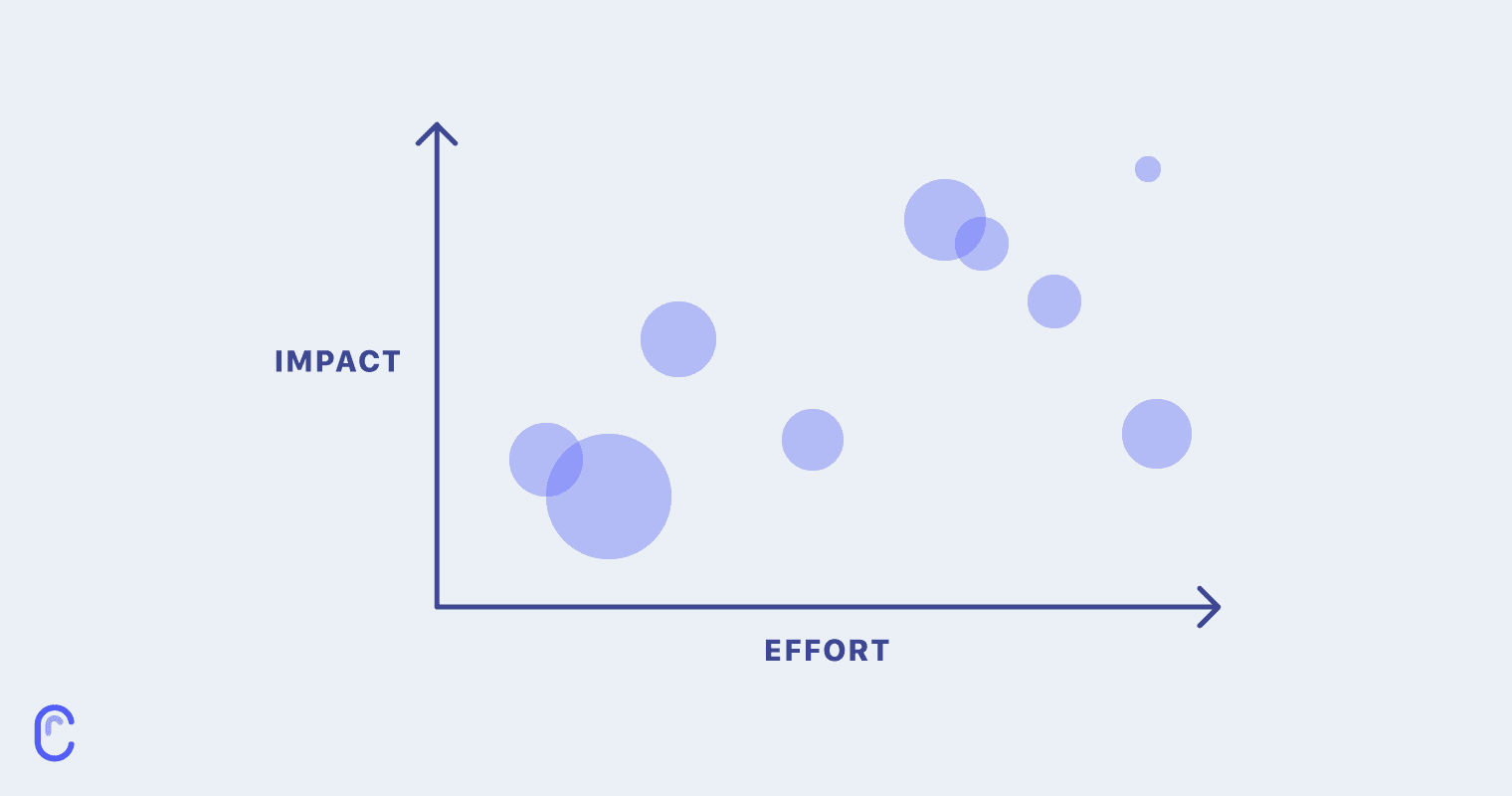 1520×800 manage feature prioritization canny canny blog from canny.io


Feature Prioritization Meeting Agenda :
Feature Prioritization Meeting Agenda was posted in October 25, 2025 at 10:10 pm. If you wanna have it as yours, please click the Pictures and you will go to click right mouse then Save Image As and Click Save and download the Feature Prioritization Meeting Agenda Picture.. Don’t forget to share this picture with others via Facebook, Twitter, Pinterest or other social medias! we do hope you'll get inspired by SampleTemplates123... Thanks again! If you have any DMCA issues on this post, please contact us!