Gantt Chart Agenda Template
Gantt Chart Agenda Template: A Comprehensive Guide
A Gantt chart agenda template is a powerful visual planning tool that combines the timeline-driven nature of a Gantt chart with the structured meeting format of an agenda. It provides a clear and concise overview of tasks, deadlines, and responsibilities, all within the context of a specific project or meeting. This fusion allows for more productive discussions, better resource allocation, and ultimately, more successful project outcomes.
Understanding the Core Components
Before diving into the benefits and usage of a Gantt chart agenda template, it’s crucial to understand its core components: * **Tasks/Activities:** These are the individual actions or steps required to complete a project or achieve a specific goal. Each task should be clearly defined and have a measurable outcome. * **Timeline:** The timeline represents the project’s duration, broken down into relevant time intervals (days, weeks, months, etc.). This provides a visual representation of the project’s progression. * **Start and End Dates:** Each task has a specific start and end date, indicating when it should begin and be completed. These dates determine the task’s position on the timeline. * **Duration:** The duration is the length of time required to complete a task. It’s calculated by subtracting the start date from the end date. * **Dependencies:** Dependencies represent the relationships between tasks. Some tasks cannot begin until others are completed. These dependencies are visually represented by arrows or lines connecting related tasks. * **Assignees:** Each task is assigned to a specific individual or team responsible for its completion. * **Progress:** A progress indicator shows the percentage of each task that has been completed. This provides a visual representation of the project’s overall progress. * **Agenda Items:** These are the specific topics to be discussed during the meeting, related to the tasks displayed on the Gantt chart. * **Discussion Points:** Within each agenda item, specific discussion points are listed to guide the conversation and ensure all relevant aspects are covered. * **Decision/Actions:** After each discussion point, a designated space for noting down decisions made or action items assigned is included. This ensures accountability and follow-through.
Benefits of Using a Gantt Chart Agenda Template
Using a Gantt chart agenda template offers a multitude of benefits for project management and team collaboration: * **Enhanced Visual Communication:** The Gantt chart provides a clear and concise visual representation of the project timeline, making it easier for everyone to understand the project’s scope, progress, and dependencies. * **Improved Meeting Productivity:** By combining the visual clarity of a Gantt chart with a structured agenda, meetings become more focused and productive. Discussions are centered around specific tasks and deadlines, minimizing distractions and wasted time. * **Streamlined Task Management:** The template helps to organize and track tasks, ensuring that nothing falls through the cracks. Task owners are clearly identified, and progress is easily monitored. * **Effective Resource Allocation:** By visualizing the project timeline and task dependencies, project managers can effectively allocate resources to ensure that tasks are completed on time and within budget. * **Proactive Risk Management:** The template can help to identify potential bottlenecks and delays early on, allowing project managers to take proactive steps to mitigate risks. * **Increased Team Collaboration:** The template fosters collaboration by providing a shared understanding of the project goals, tasks, and responsibilities. * **Better Decision Making:** By providing a clear overview of the project’s status and potential risks, the template supports better decision-making. * **Enhanced Accountability:** The template clearly assigns responsibility for each task, making individuals accountable for their performance.
How to Effectively Use a Gantt Chart Agenda Template
To maximize the benefits of a Gantt chart agenda template, follow these best practices: * **Define Project Goals and Objectives:** Before creating the Gantt chart, clearly define the project goals and objectives. This will help to ensure that all tasks are aligned with the overall project strategy. * **Break Down the Project into Manageable Tasks:** Break down the project into smaller, more manageable tasks. This will make it easier to estimate the duration of each task and to track progress. * **Identify Task Dependencies:** Carefully identify the dependencies between tasks. This will help to ensure that tasks are completed in the correct order. * **Estimate Task Durations Accurately:** Accurately estimate the duration of each task. This will help to ensure that the project timeline is realistic. * **Assign Task Owners:** Assign a specific individual or team to each task. This will ensure that someone is responsible for completing the task on time. * **Regularly Update the Gantt Chart:** Regularly update the Gantt chart with progress information. This will provide a clear picture of the project’s status and help to identify potential problems early on. * **Use the Gantt Chart as a Discussion Guide:** Use the Gantt chart as a discussion guide during project meetings. This will help to ensure that the meeting is focused and productive. * **Customize the Template:** Adapt the template to fit the specific needs of your project. * **Choose the Right Tool:** Select a tool or software that allows for easy creation, modification, and sharing of the Gantt chart agenda. Many project management tools offer Gantt chart functionality.
Example Gantt Chart Agenda Items
Here are a few examples of agenda items that could be included in a Gantt chart agenda template: * **Review Project Timeline:** A general overview of the project timeline, including key milestones and deadlines. * **Task Progress Update:** Review the progress of each task, identify any roadblocks, and discuss potential solutions. * **Resource Allocation:** Discuss the allocation of resources to each task and make adjustments as needed. * **Risk Management:** Identify and assess potential risks, and develop mitigation strategies. * **Dependencies Analysis:** Analyze task dependencies and identify any potential conflicts or delays. * **Decision Making:** Make decisions on key project issues. * **Action Item Review:** Review outstanding action items and assign new ones as needed. By thoughtfully integrating these agenda items, teams can ensure their meetings are productive, focused, and drive the project toward successful completion. The Gantt chart agenda template becomes a dynamic tool, fostering communication, accountability, and ultimately, project success.
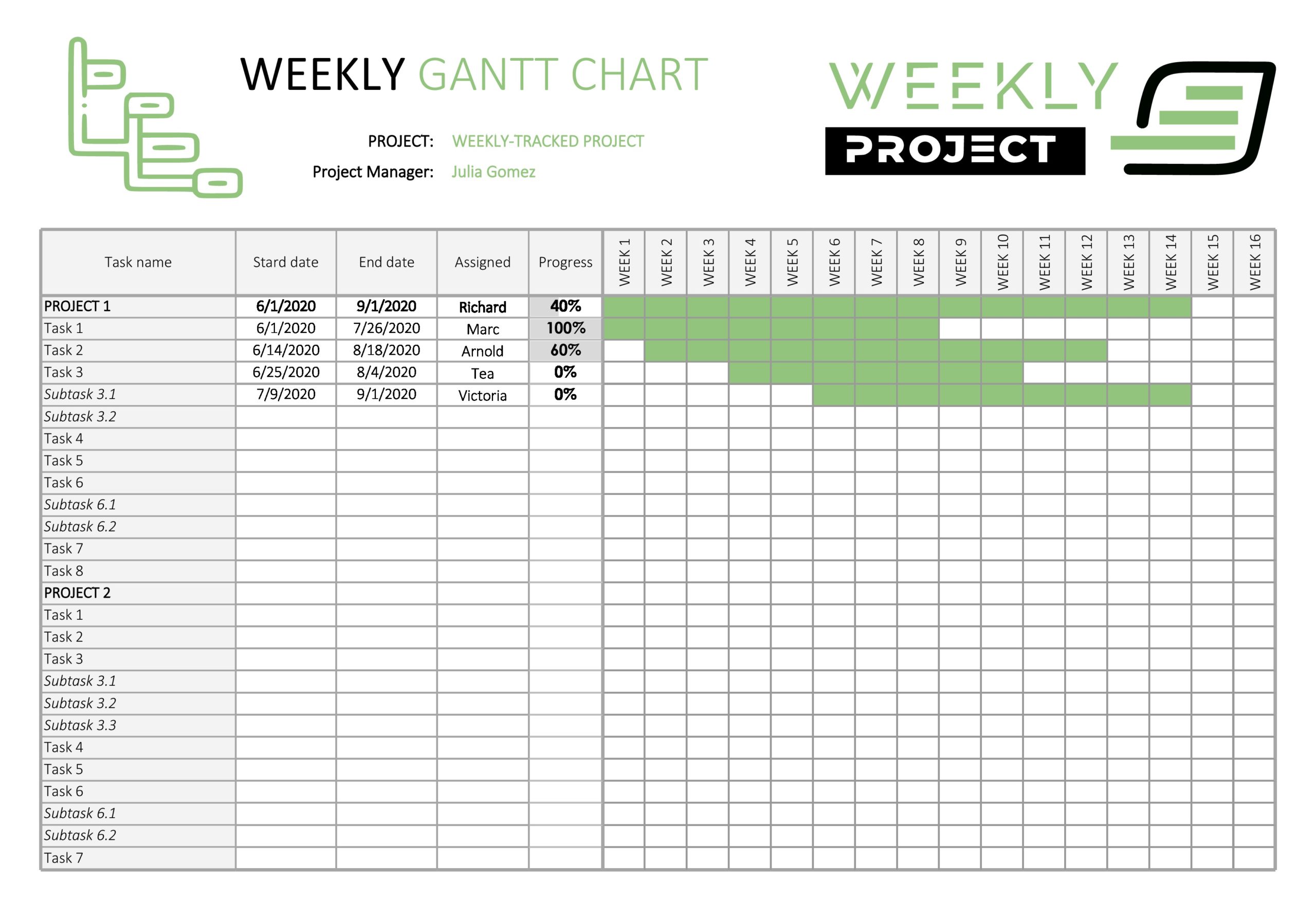 2560×1757 gantt chart templates excel templatearchive from templatearchive.com
  1320×1020 printable gantt chart template gantt chart templates from www.heritagechristiancollege.com
  0 x 0 gantt chart excel template teamgantt from www.teamgantt.com
  2500×1875 gantt chart templates excel powerpoint word templatelab from templatelab.com
  1056×816 printable gantt chart template event planning gantt chart from www.heritagechristiancollege.com
  1334×684 simple gantt chart template excel excel tmp from exceltmp.com
 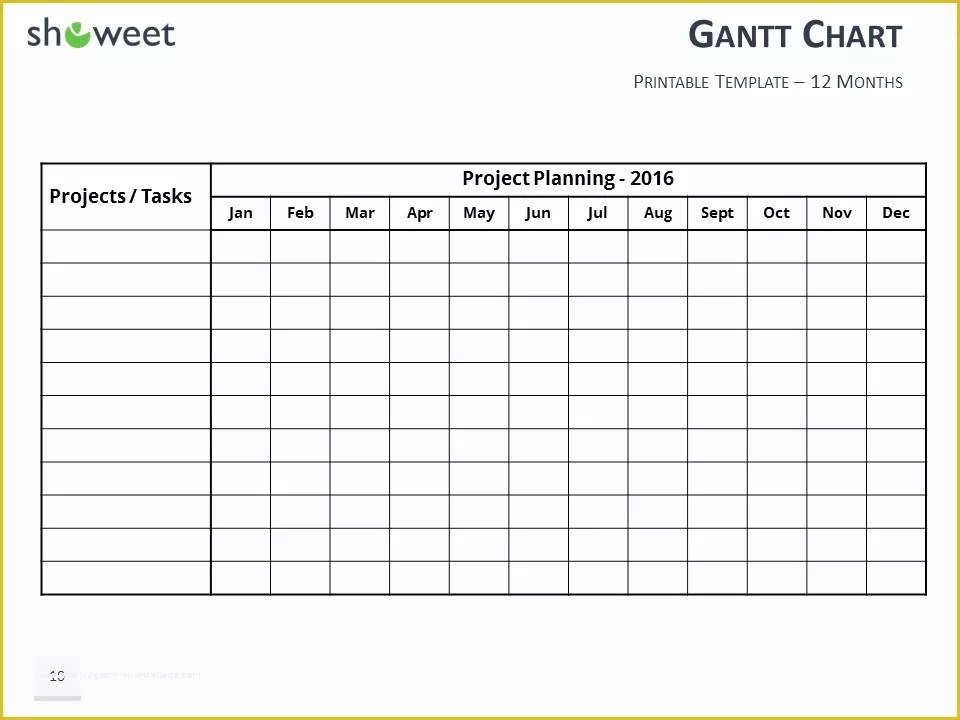 960×720 printable gantt chart template gantt charts project from www.heritagechristiancollege.com



Gantt Chart Agenda Template :
Gantt Chart Agenda Template was posted in August 5, 2025 at 10:37 am. If you wanna have it as yours, please click the Pictures and you will go to click right mouse then Save Image As and Click Save and download the Gantt Chart Agenda Template Picture.. Don’t forget to share this picture with others via Facebook, Twitter, Pinterest or other social medias! we do hope you'll get inspired by SampleTemplates123... Thanks again! If you have any DMCA issues on this post, please contact us!
Related For Gantt Chart Agenda Template

Example Of Meeting Agenda Template
Example Of Meeting Agenda Template Example Certificate SalaryAdmission ReferenceHiring Panel Agenda Sample
Hiring Panel Agenda Sample Hiring Panel Agenda Sample: Streamlining