Logistics Team Agenda Template
Logistics Team Agenda Template: Streamlining Operations for Success
Effective logistics is the backbone of any successful organization that deals with physical goods or resource management. A well-structured logistics team agenda is crucial for ensuring smooth operations, efficient communication, and proactive problem-solving. This document outlines a template for logistics team meetings, designed to maximize productivity and drive continuous improvement.
Key Elements of a Logistics Team Agenda Template
- Meeting Title & Date/Time: Clearly state the purpose of the meeting (e.g., “Weekly Logistics Team Meeting”) and the date and time. This provides context and helps attendees prioritize the meeting.
- Attendees: List all expected attendees by name and/or department. This helps ensure that all relevant stakeholders are present and aware of their participation. Consider designating roles like facilitator (manages the meeting flow), note-taker (records key decisions and action items), and timekeeper (monitors the agenda and keeps discussions on track).
- Purpose/Objectives: Briefly define the overarching goals of the meeting. What outcomes do you hope to achieve? Examples include:
- Reviewing current operational performance
- Identifying and addressing bottlenecks in the supply chain
- Planning for upcoming events or peak seasons
- Brainstorming solutions to logistics challenges
- Agenda Items: This is the core of the template, detailing specific topics for discussion. Each item should include:
- Topic Title: A concise and descriptive title that accurately reflects the subject matter (e.g., “Shipping Delays Q3 Analysis,” “Warehouse Inventory Discrepancy Review,” “Transportation Route Optimization Proposal”).
- Presenter/Responsible Party: Identify the individual or team responsible for leading the discussion and providing relevant information.
- Time Allocation: Estimate the amount of time dedicated to each agenda item. This helps manage the meeting effectively and prevent discussions from running over schedule.
- Desired Outcome/Discussion Points: Clearly state what you hope to accomplish during the discussion of each topic. What questions need to be answered? What decisions need to be made? Outline key discussion points to guide the conversation.
- Supporting Materials: If applicable, list any documents, reports, or data visualizations that attendees should review before or during the meeting (e.g., “Shipping Delay Report – Q3.pdf,” “Warehouse Inventory Spreadsheet,” “Proposed Route Map”). Make these materials easily accessible beforehand.
- Review of Action Items from Previous Meeting: Begin each meeting by revisiting action items assigned in the previous session.
- Action Item Description: Briefly restate the action item.
- Assigned To: Identify the individual responsible.
- Due Date: State the original due date.
- Status: Report on the current status (e.g., “Completed,” “In Progress,” “Delayed”). If delayed, explain the reason and revise the due date if necessary.
- Open Forum/New Business: Allocate time for attendees to raise new issues, share relevant information, or propose ideas that are not covered in the existing agenda. This provides an opportunity for addressing emergent issues and fostering collaboration.
- Action Items & Next Steps: At the end of the meeting, summarize key decisions made and assign action items to specific individuals with clear deadlines. Ensure that everyone understands their responsibilities.
- Meeting Summary & Distribution: Following the meeting, the note-taker should distribute a concise summary of the discussion, including key decisions, action items, and any relevant supporting information, to all attendees and any other stakeholders who need to be informed.
Sample Logistics Team Agenda Template
| Item | Description | Responsible | Time |
|---|---|---|---|
| Meeting Title: Weekly Logistics Team Meeting | Date/Time: October 26, 2023, 10:00 AM – 11:00 AM | ||
| Attendees | John Smith (Transportation Manager), Jane Doe (Warehouse Supervisor), David Lee (Inventory Analyst), Sarah Jones (Supply Chain Coordinator) | ||
| Purpose | Review operational performance, address bottlenecks, and plan for holiday season. | ||
| Review of Action Items | Status updates on action items from October 19, 2023 meeting. | Note Taker | 10 mins |
| Shipping Delays Q3 Analysis | Analyze causes of increased shipping delays in Q3 and identify potential solutions. Supporting Material: Shipping Delay Report – Q3.pdf |
John Smith | 20 mins |
| Warehouse Inventory Discrepancy Review | Review recent inventory discrepancies and implement preventative measures. Supporting Material: Warehouse Inventory Spreadsheet |
Jane Doe | 15 mins |
| Holiday Season Logistics Planning | Discuss strategies for handling increased order volume during the holiday season. | Sarah Jones | 15 mins |
| Open Forum/New Business | Opportunity for attendees to raise new issues or share relevant information. | All | 5 mins |
| Action Items & Next Steps | Summarize decisions and assign action items with deadlines. | Facilitator | 5 mins |
Tips for Effective Logistics Team Meetings
- Distribute the Agenda in Advance: Provide attendees with the agenda and supporting materials at least 24 hours before the meeting to allow them time to prepare.
- Start and End on Time: Respect attendees’ time by starting and ending the meeting promptly.
- Stay Focused: Keep the discussion on track and avoid unnecessary tangents. The facilitator should gently redirect the conversation if it veers off course.
- Encourage Participation: Create a safe and inclusive environment where all attendees feel comfortable sharing their thoughts and ideas.
- Use Visual Aids: Use charts, graphs, and other visual aids to present data and information in a clear and engaging manner.
- Document Decisions and Action Items: Clearly document all decisions made and action items assigned, including responsible parties and due dates.
- Follow Up on Action Items: Track the progress of action items and follow up with responsible parties to ensure timely completion.
- Regularly Review and Refine the Agenda: Continuously evaluate the effectiveness of the agenda and make adjustments as needed to ensure it meets the evolving needs of the team.
By using a well-designed logistics team agenda template and following these tips, you can create more productive and effective meetings that drive operational excellence and contribute to the overall success of your organization.
 600×730 team agenda templates sample format from www.template.net
  390×505 event logistics plan templates ms word from www.template.net
 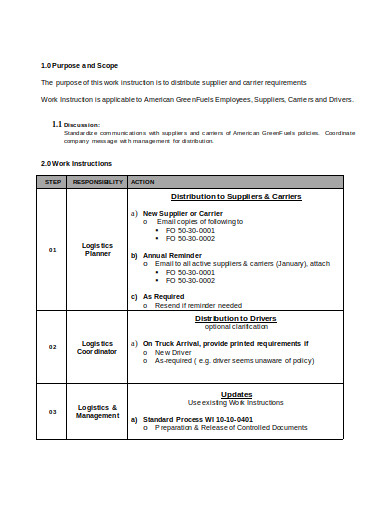 390×505 logistics planner templates ms word from www.template.net



Logistics Team Agenda Template :
Logistics Team Agenda Template was posted in May 9, 2025 at 5:56 am. If you wanna have it as yours, please click the Pictures and you will go to click right mouse then Save Image As and Click Save and download the Logistics Team Agenda Template Picture.. Don’t forget to share this picture with others via Facebook, Twitter, Pinterest or other social medias! we do hope you'll get inspired by SampleTemplates123... Thanks again! If you have any DMCA issues on this post, please contact us!