Journaling Agenda Template
Okay, here’s an HTML formatted piece discussing journaling agenda templates, aiming for approximately 900 words:
Unlock Your Potential: Mastering Journaling with Agenda Templates
Journaling, at its core, is a powerful tool for self-reflection, personal growth, and mental well-being. However, staring at a blank page can be daunting. That’s where journaling agenda templates come in – offering structure and prompts to guide your thoughts and maximize the benefits of your journaling practice.
What is a Journaling Agenda Template?
A journaling agenda template is a pre-designed framework that provides specific prompts, questions, or topics to focus on during a journaling session. Think of it as a roadmap for your inner exploration. Instead of simply writing whatever comes to mind, the template directs your attention to particular areas of your life, your emotions, or your goals. This structured approach can be incredibly helpful in cultivating self-awareness and fostering positive change.
Benefits of Using Journaling Agenda Templates
- Reduced Overwhelm: Overcome the “blank page syndrome” with clear starting points and direction. The template provides a ready-made framework, eliminating the mental hurdle of deciding what to write about.
- Increased Consistency: Having a consistent structure encourages regular journaling. When you know what to expect and have a clear plan, you’re more likely to stick with the practice.
- Focused Reflection: Templates guide your reflection towards specific areas, allowing you to delve deeper into certain aspects of your life, such as gratitude, relationships, or career goals.
- Improved Self-Awareness: By consistently answering targeted prompts, you gain a better understanding of your thoughts, feelings, and behaviors. This deeper self-knowledge empowers you to make conscious choices and live more authentically.
- Goal Setting and Achievement: Many templates incorporate goal-setting prompts, helping you clarify your aspirations, break them down into actionable steps, and track your progress. This can significantly improve your chances of achieving your desired outcomes.
- Enhanced Emotional Regulation: Some templates focus on emotional processing, providing prompts to help you identify, understand, and manage your emotions more effectively. This can be particularly beneficial during times of stress or emotional turmoil.
- Creative Inspiration: While providing structure, templates can also spark creativity. The prompts can serve as a springboard for new ideas, insights, and perspectives.
Types of Journaling Agenda Templates
The beauty of journaling agenda templates lies in their versatility. There’s a template for almost every purpose and preference. Here are a few popular types:
- Gratitude Journals: These templates focus on cultivating gratitude by prompting you to list things you’re thankful for each day. They often include prompts like, “What are three things that made you smile today?” or “Who are you grateful for and why?”
- Morning Pages: This technique involves writing three pages of stream-of-consciousness writing first thing in the morning. While not strictly a template in the traditional sense, it provides a structured approach to free writing.
- Goal Setting Journals: These templates help you define your goals, create action plans, and track your progress. They often include prompts like, “What are your top three goals for the next year?” or “What steps can you take this week to move closer to your goal?”
- Self-Reflection Journals: These templates focus on exploring your thoughts, feelings, and behaviors. They might include prompts like, “What are your strengths and weaknesses?” or “What are your core values?”
- Dream Journals: If you’re interested in exploring your subconscious, a dream journal template can be helpful. It prompts you to record your dreams in detail and analyze their potential meanings.
- Relationship Journals: These templates focus on improving your relationships with others. They might include prompts like, “What are you grateful for in your relationship with [person’s name]?” or “How can you communicate more effectively with [person’s name]?”
- Creative Writing Journals: Designed to spark your imagination, these templates often include prompts for storytelling, poetry, or character development.
- Problem-Solving Journals: These templates provide a structured approach to identifying problems, brainstorming solutions, and evaluating potential outcomes. They often include prompts like, “What is the core issue you’re facing?” or “What are three possible solutions you can try?”
Creating Your Own Journaling Agenda Template
While pre-made templates can be incredibly helpful, creating your own allows you to tailor the prompts to your specific needs and goals. Here’s how to get started:
- Identify Your Focus: What do you want to achieve through journaling? Do you want to cultivate gratitude, improve your relationships, achieve your goals, or simply gain a better understanding of yourself?
- Choose Your Prompts: Select prompts that align with your focus. Start with a few simple prompts and gradually add more as you become comfortable. Use “What?”, “Why?”, “How?”, and “When?” questions to create meaningful prompts.
- Design Your Layout: Consider how you want to organize your template. Will it be a daily, weekly, or monthly template? How much space will you allocate for each prompt?
- Experiment and Adjust: Don’t be afraid to experiment with different prompts and layouts until you find what works best for you. Your template should evolve as your needs and goals change.
- Make it Accessible: Keep your template in a place where you can easily access it. Whether it’s a physical notebook, a digital document, or a dedicated app, ensure it’s readily available whenever you want to journal.
Tips for Using Journaling Agenda Templates Effectively
- Be Consistent: Aim to journal regularly, even if it’s just for a few minutes each day. Consistency is key to reaping the full benefits of journaling.
- Be Honest: Journaling is a safe space for you to be honest with yourself. Don’t censor your thoughts or feelings.
- Be Specific: Provide as much detail as possible in your responses. The more specific you are, the more valuable your insights will be.
- Review Your Entries: Periodically review your past entries to track your progress, identify patterns, and gain new perspectives.
- Don’t Overthink It: The goal of journaling is not to write perfectly. Just write whatever comes to mind, even if it seems rambling or nonsensical.
- Listen to Your Intuition: If a prompt doesn’t resonate with you, feel free to skip it or modify it to better suit your needs.
Journaling agenda templates are a powerful tool for unlocking your potential and enhancing your well-being. By providing structure and guidance, they make journaling more accessible, effective, and enjoyable. So, explore the different types of templates, create your own, and embark on a journey of self-discovery and personal growth.
 736×736 pin from www.pinterest.com
  388×548 journaling adventures from slidesgo.com
  580×387 journaling planner printable journal graphic catecreates creative from www.creativefabrica.com
  736×1243 daily journal template diy agenda planner agenda organization ideas from tr.pinterest.com
 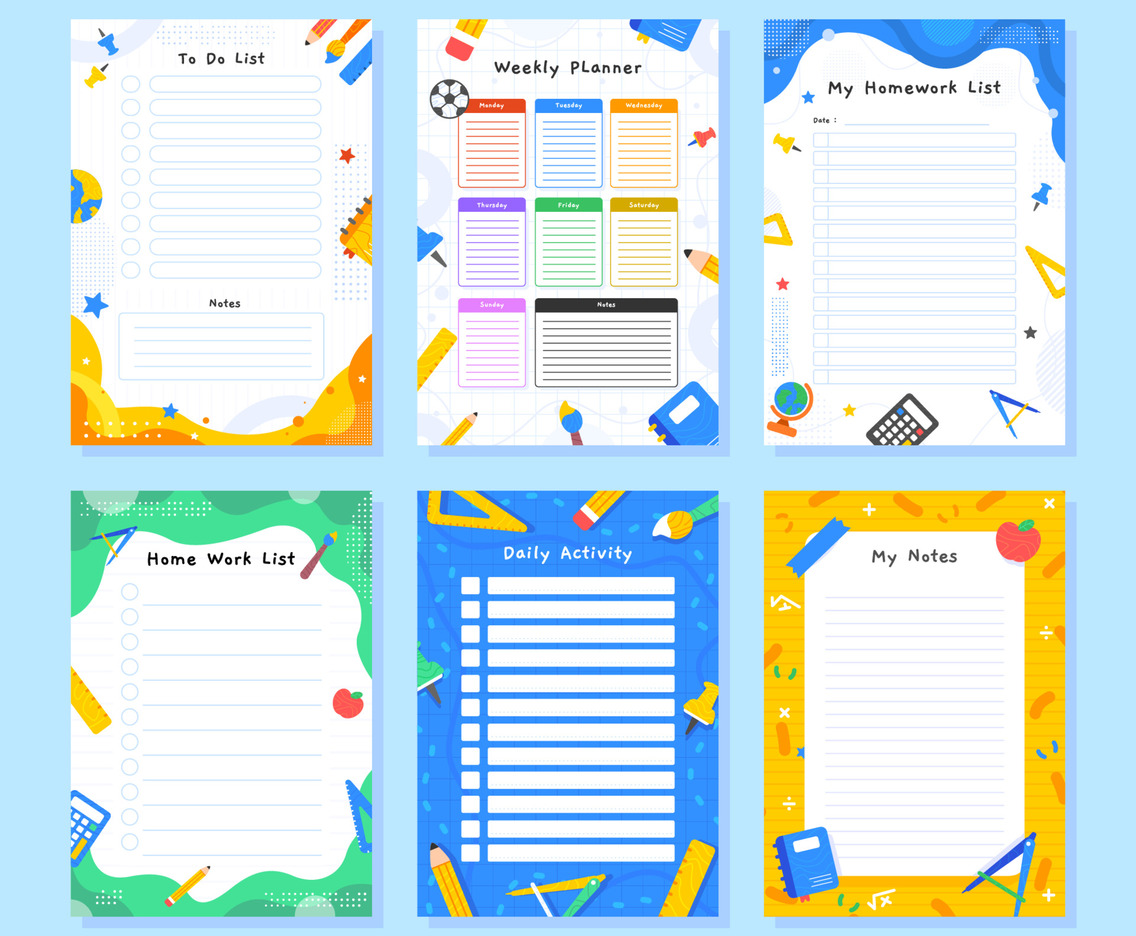 1136×936 colorful journal planner template set from www.vector4free.com
  1600×1183 kind journaling templates from oneofakindgiftideas.blogspot.mx
  1236×1600 journaling tag templates from ar.inspiredpencil.com
  736×736 pin journaling from www.pinterest.com
  736×736 pin inspiration from www.pinterest.com
  736×736 pin planning journaling from www.pinterest.co.uk
  683×1024 awesome journaling templates journaling design from masterbundles.com
  736×1104 weekly journal template organize schedule devote from www.pinterest.dk
  2481×3508 design journal template from old.sermitsiaq.ag
  2000×3000 calendar journal template notebook ideas organisation ideas planners from www.artofit.org
  1700×2500 weekly journal template establish long term vision from www.pinterest.com
  736×1308 bullet journaling effective time management from www.pinterest.co.uk
  620×642 pin planners journaling from www.pinterest.com
  736×1104 monthly journal template planner design ideas agenda organization ideas from www.artofit.org
  3000×2380 remarkable template daily digital journal agenda etsy from www.etsy.com
  600×338 incredible agenda journal psd templates welovesolo psd templates from www.pinterest.com
  2000×3000 monthly journal template designed crush goals from www.pinterest.com.mx
  736×1104 journaling panosundaki pin from www.pinterest.com
  736×1044 academic journal template planner template agenda organization ideas from www.artofit.org
  736×736 monthly overview december prefer classic vertical from www.pinterest.com
  736×1082 daily journal template daily routine schedule template agenda planner from www.pinterest.com.mx
  1170×800 journal planner template behance from www.behance.net
  736×736 pin de emily morrison en journaling libreta de apuntes agendas libreta from www.pinterest.ca
  736×1104 daily journal template diy agenda planner agenda organization ideas diy from www.artofit.org
  736×1104 calendar journal template productivity planner planners from www.pinterest.com
  900×593 templates journaling printed digital freelancer from www.freelancer.in
  586×749 print planner study planner yearly planner journal planner from www.pinterest.jp
  712×712 designs weekly agenda journal lined sheets from www.pinterest.com



Journaling Agenda Template :
Journaling Agenda Template was posted in September 2, 2025 at 5:28 pm. If you wanna have it as yours, please click the Pictures and you will go to click right mouse then Save Image As and Click Save and download the Journaling Agenda Template Picture.. Don’t forget to share this picture with others via Facebook, Twitter, Pinterest or other social medias! we do hope you'll get inspired by SampleTemplates123... Thanks again! If you have any DMCA issues on this post, please contact us!