Stress Relief Planning Agenda
Stress Relief Planning Agenda: Reclaiming Your Calm
In today’s fast-paced world, stress has become an unwelcome, yet ubiquitous, companion. Chronic stress can negatively impact our physical and mental health, affecting our relationships, productivity, and overall well-being. Proactive stress management is not a luxury; it’s a necessity. This agenda outlines a comprehensive plan for identifying stressors, implementing coping mechanisms, and cultivating a more resilient and balanced life.
I. Identifying Your Stressors (30 minutes)
The first step in mitigating stress is understanding its sources. This involves a thorough self-assessment to pinpoint the specific situations, thoughts, and feelings that trigger your stress response.
- Stress Diary (10 minutes): Begin by keeping a stress diary for a week. Note down each instance of feeling stressed, the specific situation that triggered it, your physical and emotional reactions (e.g., racing heart, anxiety, irritability), and any thoughts or beliefs associated with the situation. This provides concrete data to analyze.
- Categorizing Stressors (10 minutes): Group your stressors into categories such as:
- Work-related: Deadlines, demanding workload, difficult colleagues, lack of control, job insecurity.
- Financial: Debt, unexpected expenses, budgeting concerns, saving for the future.
- Relationship-related: Conflicts with family, friends, or partners, loneliness, lack of support.
- Health-related: Chronic illness, pain, unhealthy habits, worries about aging.
- Environmental: Noise pollution, traffic congestion, clutter, lack of access to nature.
- Personal: Low self-esteem, perfectionism, unrealistic expectations, negative self-talk.
- Identifying Triggers and Patterns (10 minutes): Analyze your stress diary and categorized list. Look for recurring patterns. Are there specific times of day, locations, or individuals that consistently trigger stress? Are there specific thought patterns (e.g., catastrophizing, overgeneralization) that amplify your stress response? Identifying these patterns allows you to anticipate and proactively manage potential stressors.
II. Developing Coping Strategies (60 minutes)
Once you’ve identified your stressors, the next step is to develop a toolkit of coping strategies. This should include both short-term techniques for immediate relief and long-term strategies for building resilience.
- Short-Term Stress Relief Techniques (30 minutes): Practice and identify which techniques work best for you.
- Deep Breathing (5 minutes): Diaphragmatic breathing can quickly calm the nervous system. Practice inhaling deeply through your nose, filling your abdomen, and exhaling slowly through your mouth.
- Progressive Muscle Relaxation (5 minutes): Tense and release different muscle groups in your body, starting with your toes and working your way up to your head. This helps to release physical tension.
- Mindfulness Meditation (5 minutes): Focus your attention on the present moment without judgment. You can focus on your breath, bodily sensations, or sounds. Guided meditations are readily available online.
- Grounding Techniques (5 minutes): If you’re feeling overwhelmed, use your senses to ground yourself in the present moment. Name five things you can see, four things you can touch, three things you can hear, two things you can smell, and one thing you can taste.
- Quick Exercise (5 minutes): Even a short burst of physical activity can help to release endorphins and reduce stress. Take a brisk walk, do some jumping jacks, or stretch.
- Expressive Arts (5 minutes): Express your emotions through creative outlets such as drawing, painting, writing, or playing music.
- Long-Term Stress Management Strategies (30 minutes): These strategies focus on building resilience and preventing stress from accumulating.
- Regular Exercise (10 minutes discussion): Aim for at least 30 minutes of moderate-intensity exercise most days of the week. Exercise releases endorphins, improves mood, and reduces the physical effects of stress. Choose activities you enjoy.
- Healthy Diet (10 minutes discussion): A balanced diet provides your body with the nutrients it needs to function optimally and cope with stress. Avoid processed foods, sugary drinks, and excessive caffeine. Focus on whole foods, fruits, vegetables, and lean protein.
- Adequate Sleep (10 minutes discussion): Aim for 7-8 hours of quality sleep each night. Sleep deprivation can exacerbate stress and impair cognitive function. Establish a regular sleep schedule and create a relaxing bedtime routine.
III. Cultivating Resilience and Self-Care (45 minutes)
Building resilience involves developing positive coping mechanisms and a strong sense of self-worth. Self-care is an essential component of resilience and involves prioritizing your physical, emotional, and mental well-being.
- Building Social Support (15 minutes): Strong social connections can buffer against stress. Nurture your relationships with family and friends. Seek out support groups or online communities where you can connect with others who share similar experiences. Talking about your feelings can be incredibly helpful.
- Practicing Gratitude (15 minutes): Focusing on the positive aspects of your life can shift your perspective and reduce stress. Keep a gratitude journal, where you write down things you are grateful for each day. Express your appreciation to others.
- Setting Boundaries (15 minutes): Learn to say “no” to commitments that overwhelm you. Protect your time and energy by setting clear boundaries in your relationships and at work. Don’t be afraid to delegate tasks or ask for help.
IV. Action Plan and Follow-Up (15 minutes)
The final step is to create a concrete action plan and schedule regular follow-up sessions to assess your progress and make adjustments as needed.
- Creating an Action Plan (10 minutes): Based on the previous sections, create a personalized action plan. This should include specific, measurable, achievable, relevant, and time-bound (SMART) goals. For example, “I will practice deep breathing for 5 minutes each morning before work” or “I will go for a 30-minute walk three times per week.”
- Scheduling Follow-Up Sessions (5 minutes): Schedule regular check-ins with yourself (e.g., weekly or monthly) to review your progress, identify any challenges, and make adjustments to your action plan. Consider seeking support from a therapist or counselor if you’re struggling to manage your stress on your own.
By implementing this stress relief planning agenda, you can take control of your well-being and cultivate a more peaceful and fulfilling life. Remember that stress management is an ongoing process, and it’s important to be patient with yourself and celebrate your successes along the way.
 1440×966 stress relief checklist sisterhood agenda from sisterhoodagenda.com
  638×826 relief system design agenda seminar outline from www.slideshare.net
  650×684 skips house chaos stress relief calendar from skiptucker.blogspot.com
 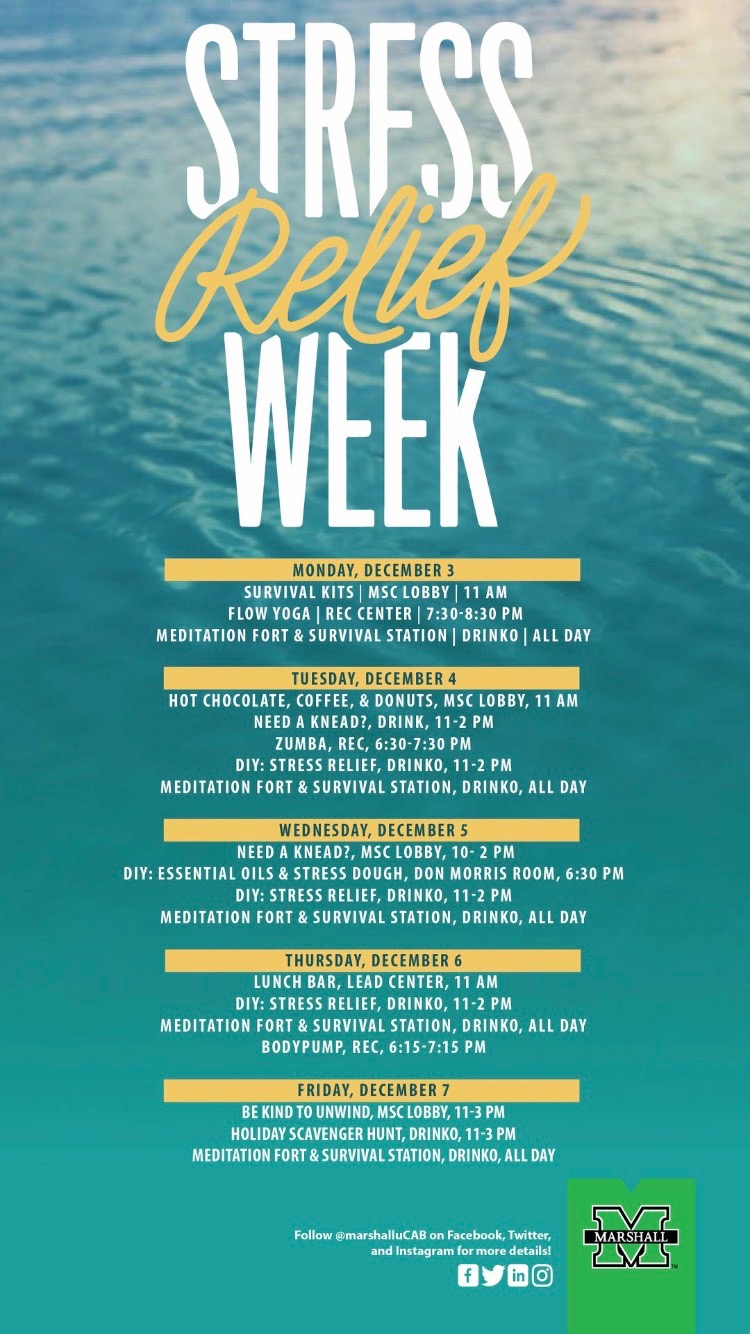 750×1334 annual stress relief week marshall students parthenon from marshallparthenon.com
  5184×3456 minimizing stress planning life from blogs.studentlife.utoronto.ca
  600×607 stress stress management plan mrr from mrrdownload.com



Stress Relief Planning Agenda :
Stress Relief Planning Agenda was posted in May 12, 2025 at 9:34 am. If you wanna have it as yours, please click the Pictures and you will go to click right mouse then Save Image As and Click Save and download the Stress Relief Planning Agenda Picture.. Don’t forget to share this picture with others via Facebook, Twitter, Pinterest or other social medias! we do hope you'll get inspired by SampleTemplates123... Thanks again! If you have any DMCA issues on this post, please contact us!
Related For Stress Relief Planning Agenda
