Wedding Rehearsal Agenda Planner
Crafting the Perfect Wedding Rehearsal Agenda: A Comprehensive Guide
The wedding rehearsal is a crucial component of ensuring a smooth and stress-free wedding day. It’s a chance to iron out any logistical wrinkles, familiarize the wedding party with their roles, and ease pre-wedding jitters. A well-planned rehearsal agenda is the key to achieving these goals. This guide will provide a comprehensive framework for creating an effective and efficient wedding rehearsal agenda.
I. Pre-Rehearsal Planning: Laying the Groundwork
Before diving into the agenda itself, several preliminary steps are essential:
- Confirm Availability: The first task is to confirm the availability of all key participants: the couple, officiant, wedding party (bridesmaids, groomsmen, ushers, flower girl, ring bearer), parents, readers, and musicians (if applicable). Send out a “save the date” well in advance, followed by a formal invitation with the date, time, and location of the rehearsal.
- Venue Coordination: Communicate with the ceremony venue to secure a specific time slot for the rehearsal. Inquire about any restrictions or guidelines regarding rehearsal procedures. Also, confirm access to necessary equipment, such as microphones, speakers, and any staging elements.
- Officiant Consultation: Collaborate closely with the officiant to understand their specific instructions and requirements for the ceremony. Discuss the processional order, readings, vows, and any other key elements. This ensures everyone is on the same page and avoids confusion during the actual ceremony.
- Dinner Reservations (if applicable): If you’re planning a rehearsal dinner immediately following the rehearsal, make reservations at a restaurant or finalize catering arrangements for a private venue. Factor in travel time from the rehearsal venue.
- Agenda Distribution: Prepare a detailed rehearsal agenda and distribute it to all participants well in advance. This allows everyone to review their roles and responsibilities beforehand, making the rehearsal more efficient.
II. The Rehearsal Agenda: A Step-by-Step Breakdown
The following is a sample agenda, which can be customized to fit the specific needs of your wedding:
- Welcome and Introductions (5-10 minutes):
- Gather all participants at the ceremony location.
- Briefly welcome everyone and express gratitude for their participation.
- Introduce key individuals (e.g., wedding coordinator, officiant).
- Outline the purpose of the rehearsal and the expected timeline.
- Processional Practice (15-20 minutes):
- Explain the processional order clearly and concisely.
- Demonstrate the pace and timing of the walk down the aisle.
- Practice the processional multiple times, making adjustments as needed.
- Pay special attention to the timing of music cues and transitions.
- Address any questions or concerns regarding walking order, spacing, or posture.
- Placement at the Altar/Ceremony Area (10-15 minutes):
- Designate specific locations for each member of the wedding party and family at the altar or ceremony area.
- Mark positions clearly with tape or other visual cues if necessary.
- Practice moving to and from designated spots seamlessly.
- Ensure everyone is comfortable and aware of their proximity to others.
- Ceremony Run-Through (20-30 minutes):
- Conduct a complete run-through of the ceremony, including readings, vows, ring exchange, and pronouncement.
- Pause at key moments to explain cues and address any questions.
- Practice any special elements, such as a unity candle lighting or handfasting ceremony.
- Ensure the officiant’s instructions are clear and followed correctly.
- Pay attention to the volume and clarity of speaking voices, especially when using microphones.
- Recessional Practice (10-15 minutes):
- Practice the recessional order, including the couple, wedding party, and family members.
- Determine the pace and timing of the walk back down the aisle.
- Rehearse any celebratory elements, such as tossing confetti or bubbles.
- Ensure a smooth transition from the ceremony area to the exit.
- Photo Opportunities (5-10 minutes):
- Designate a few key photo opportunities during the rehearsal, such as a group photo at the altar.
- Communicate these opportunities to the photographer (if present).
- Ensure everyone knows where to stand and when to smile.
- Final Instructions and Q&A (5-10 minutes):
- Reiterate important instructions for the wedding day, such as arrival times, dress code, and transportation arrangements.
- Open the floor for questions and address any remaining concerns.
- Express gratitude to all participants for their time and effort.
- Confirm the time and location of the rehearsal dinner (if applicable).
III. Tips for a Successful Rehearsal
- Start on Time: Punctuality is crucial. Emphasize the importance of arriving on time to ensure the rehearsal stays on schedule.
- Be Organized: A well-organized rehearsal is an efficient rehearsal. Keep the agenda readily available and ensure all necessary materials (e.g., copies of readings, rings) are on hand.
- Clear Communication: Speak clearly and concisely, using simple language that everyone can understand. Avoid jargon or technical terms.
- Stay Positive and Patient: Rehearsals can sometimes be stressful, but it’s important to maintain a positive and patient attitude. Encourage open communication and address concerns with understanding.
- Delegate Responsibilities: Don’t try to do everything yourself. Delegate tasks to trusted members of the wedding party or family to lighten the load.
- Hydration and Breaks: Provide water and snacks to keep everyone comfortable and energized. Schedule short breaks if the rehearsal is lengthy.
- Embrace Flexibility: Be prepared to adapt the agenda as needed. Unexpected issues may arise, and it’s important to be flexible and find solutions.
- End on a High Note: Conclude the rehearsal with positive affirmations and expressions of excitement for the wedding day.
IV. Post-Rehearsal: Final Touches
After the rehearsal, take a few moments to reflect on the proceedings and address any remaining tasks:
- Debrief with Key Personnel: Discuss the rehearsal with the wedding coordinator, officiant, and other key personnel to identify any areas that need further attention.
- Confirm Logistics: Double-check all logistical arrangements, such as transportation, vendor schedules, and payment deadlines.
- Relax and Recharge: Take some time to relax and recharge before the wedding day. Enjoy the rehearsal dinner and spend quality time with loved ones.
By following this comprehensive guide, you can create a wedding rehearsal agenda that ensures a smooth, stress-free, and memorable wedding day. Remember that preparation is key to a successful event, and a well-planned rehearsal is an investment in the overall success of your wedding.
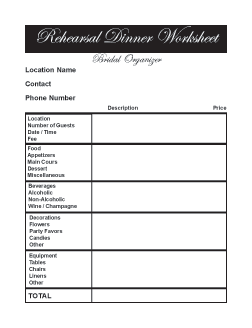 252×328 creative wedding planner from www.creativeweddingplanner.com
  736×735 wedding rehearsal dinner planner rehearsal dinner planner printable from www.pinterest.com
  1588×2382 wedding planner rehearsal checklist instant etsy from www.etsy.com
  1588×2056 wedding rehearsal planner guide worksheets black white edition from www.etsy.com
  1500×1500 wedding rehearsal dinner planner rehearsal dinner planner etsy from www.etsy.com
  1200×1200 wedding rehearsal schedule template edit from www.template.net
  2481×3508 wedding planner agenda templates allbusinesstemplatescom from www.allbusinesstemplates.com
  683×1024 wedding rehearsal guide from southernproductions.net
  816×1056 wedding planner meeting agenda templates allbusinesstemplatescom from www.allbusinesstemplates.com
  700×700 ultimate wedding rehearsal guide plan love from www.planinlove.com
  2700×2025 wedding planner easy wedding planner ceremony reception wedding from www.etsy.com
  969×790 excel wedding planner template today chandooorg from chandoo.org
  2500×1667 perfect rehearsal step step guide wedding rehearsal from www.dejanaeevents.com
  802×1200 wedding reception agenda template artofit from www.artofit.org
  1080×1080 plan wedding rehearsal expert tips perfection from emmalinebride.com
  554×417 wedding rehearsal schedule template doctemplates from doctemplates.us
  1170×1136 wedding agenda template wedding planning organization etsy wedding from www.pinterest.com
  1080×1134 wedding rehearsal guide templates wedding planners wedding from www.etsy.com
  1080×810 wedding ceremony rehearsal guide plan perfect rehearsal etsy from www.etsy.com
  1071×1500 custom printable wedding rehearsal dinner poem invitation from etsy.com
  298×386 fillable wedding reception planner fax email from www.pdffiller.com
  1588×1227 wedding reception planner seating planner wedding seating etsy from www.etsy.com
  450×623 wedding rehearsal checklist printable rebecca autry wedding from wendacruza.blogspot.com
  564×638 wedding rehearsal checklist printable rebecca autry creations from www.pinterest.com
  600×600 wedding rehearsal planning guide tips from www.peppermintandco.ca
  800×1200 rehearsal dinner checklist artofit from www.artofit.org
  1200×1200 run wedding rehearsal from shop.candicecoppola.com
  1056×1200 minimalist rehearsal dinner timeline template zazzle from www.pinterest.com



Wedding Rehearsal Agenda Planner :
Wedding Rehearsal Agenda Planner was posted in August 9, 2025 at 11:31 pm. If you wanna have it as yours, please click the Pictures and you will go to click right mouse then Save Image As and Click Save and download the Wedding Rehearsal Agenda Planner Picture.. Don’t forget to share this picture with others via Facebook, Twitter, Pinterest or other social medias! we do hope you'll get inspired by SampleTemplates123... Thanks again! If you have any DMCA issues on this post, please contact us!