Trello Agenda Card Template
Here’s content about a Trello agenda card template, formatted in HTML and approximately 900 words: “`html
Trello Agenda Card Template: Your Meeting Management Powerhouse
Effective meetings are crucial for team productivity, decision-making, and overall project success. However, poorly planned meetings can be a colossal waste of time. A Trello agenda card template provides a streamlined solution for structuring meetings, ensuring everyone is on the same page, and maximizing the value of your collaborative time.
Why Use a Trello Agenda Card Template?
Before diving into the “how,” let’s explore the “why.” An agenda card template in Trello offers numerous advantages:
- Improved Organization: It creates a central repository for all meeting-related information. Everything, from talking points to assigned action items, is neatly organized within the card.
- Enhanced Preparation: Distributing the agenda in advance allows attendees to prepare thoughtful contributions. They can review materials, formulate questions, and come ready to actively participate.
- Focused Discussions: A well-defined agenda keeps the meeting on track and prevents digressions into unrelated topics. It provides a roadmap to guide the conversation.
- Increased Accountability: Assigning owners to specific agenda items or action items fosters accountability. Individuals are responsible for their assigned tasks, promoting ownership and follow-through.
- Better Documentation: The Trello card serves as a record of the meeting’s discussion, decisions, and action items. This provides a valuable reference point for future follow-up.
- Streamlined Workflow: Integrating your agenda into your existing Trello workflow keeps your meetings connected to the broader project context.
- Time Management: By allocating specific time slots for each agenda item, you can better manage the meeting’s duration and avoid overruns.
Building Your Trello Agenda Card Template
Here’s a step-by-step guide to creating a robust and effective Trello agenda card template:
- Create a New Card: Start by creating a new card in your designated Trello board. You might have a dedicated board for meeting management or use a project-specific board.
- Title the Card: Give the card a clear and informative title, such as “Team Meeting – [Date]” or “[Project Name] Status Update – [Date]”.
- Utilize the Description Field: This is the heart of your template. Use the description field to outline the meeting structure and key information. Consider the following elements:
- Meeting Goal: Clearly state the overall objective of the meeting. What do you hope to achieve by the end? Examples: “Review project progress,” “Brainstorm new marketing ideas,” “Address customer feedback.”
- Attendees: List all attendees. This ensures everyone is aware of who will be present. You can use the “@” symbol to tag them directly in the card (if they are Trello users on your board).
- Date and Time: Specify the exact date and time of the meeting, along with the duration.
- Location/Meeting Link: Indicate the meeting location (physical or virtual). Include a link to the online meeting platform (e.g., Zoom, Google Meet, Microsoft Teams).
- Agenda Items: This is the core of the agenda. List each topic to be discussed, including a brief description and the allocated time for each item. For example:
- “Project Update (15 minutes) – [Presenter Name] – Review progress on key milestones and identify any roadblocks.”
- “Marketing Campaign Brainstorm (20 minutes) – [Facilitator Name] – Generate new ideas for our upcoming marketing campaign.”
- “Customer Feedback Review (10 minutes) – [Presenter Name] – Discuss recent customer feedback and identify areas for improvement.”
- “Open Discussion/Q&A (5 minutes)”
- Pre-Reading Materials: If attendees need to review any documents or information before the meeting, include links to those materials. This ensures everyone is prepared for the discussion.
- Leverage Checklists: Use checklists within the card to track action items and assigned owners. Create a checklist titled “Action Items” and add each action item as a separate item on the list. Assign members to each item using the Trello member feature.
- Attachments: Attach relevant documents, presentations, or spreadsheets to the card. This provides easy access to all necessary materials.
- Labels: Use labels to categorize your agenda cards. For example, you might use labels to indicate the type of meeting (e.g., “Project Update,” “Brainstorming,” “Client Meeting”) or the department responsible for the meeting.
- Due Dates: Set a due date for the card to serve as a reminder of the meeting date. You can also set due dates for individual checklist items to track progress on action items.
- Save as a Template: Once you’ve created your ideal agenda card, save it as a template. This allows you to easily create new agenda cards based on your established structure. To do this, click the “…” menu on the back of the card and select “Make Template.”
Example Agenda Card Template Description
Here’s an example of what your agenda card description might look like:
Meeting Goal: Review project progress, identify roadblocks, and plan next steps. Attendees: @JohnDoe, @JaneSmith, @PeterJones Date and Time: October 26, 2023, 10:00 AM - 11:00 AM Location/Meeting Link: [Zoom Link] Agenda: * Project Update (20 minutes) - @JohnDoe - Review progress on key milestones and discuss any challenges. * Budget Review (15 minutes) - @JaneSmith - Review the project budget and identify any potential overruns. * Risk Assessment (15 minutes) - @PeterJones - Discuss potential risks and develop mitigation strategies. * Next Steps (10 minutes) - All - Define action items and assign owners. Pre-Reading Materials: * Project Plan: [Link to Project Plan] * Budget Spreadsheet: [Link to Budget Spreadsheet]
Tips for Effective Use
- Distribute the Agenda Early: Share the agenda card with attendees at least 24 hours before the meeting to allow them time to prepare.
- Stick to the Agenda: During the meeting, make a conscious effort to stay on track and follow the agenda. If a topic arises that is not on the agenda, consider adding it to a “Parking Lot” list for discussion at a later time.
- Assign Action Items Clearly: Ensure that each action item is clearly defined and assigned to a specific individual with a realistic due date.
- Follow Up on Action Items: After the meeting, use the Trello card to track the progress of action items. You can use comments to communicate updates and ask questions.
- Iterate and Improve: Regularly review your agenda card template and make adjustments based on your experiences. What worked well? What could be improved? Continuous improvement will lead to more effective meetings.
By implementing a Trello agenda card template, you can transform your meetings from unproductive time-wasters into focused, collaborative sessions that drive progress and achieve your goals.
“`
 768×562 card template trello cards design templates from legaldbol.com
 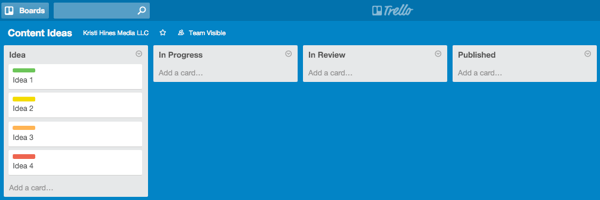 600×200 card template trello cards design templates from legaldbol.com
  838×850 printing trello trello from help.trello.com
  700×740 trello card magazine training international from magazinetraining.com
  1840×819 tech students trello link magazine from www.linkbcit.ca
  1280×720 trello template cards tutoreorg master documents from tutore.org
  1999×818 expand trello started trello from trello.com
  1280×720 trello calendar printable calendar templates from calendarstemplates.com
  1818×974 trello turn cards timesheet entries timely from timelyapp.com


Trello Agenda Card Template :
Trello Agenda Card Template was posted in December 14, 2025 at 8:36 pm. If you wanna have it as yours, please click the Pictures and you will go to click right mouse then Save Image As and Click Save and download the Trello Agenda Card Template Picture.. Don’t forget to share this picture with others via Facebook, Twitter, Pinterest or other social medias! we do hope you'll get inspired by SampleTemplates123... Thanks again! If you have any DMCA issues on this post, please contact us!
Related For Trello Agenda Card Template
Growth Strategy Meeting Agenda
“`html Growth Strategy Meeting Agenda This agenda outlines the