Calm Sample Letter Of Explanation
Crafting a calm and effective letter of explanation is a valuable skill, applicable to various situations where clarity and understanding are paramount. Whether addressing a billing error, explaining an absence, or clarifying a misunderstanding, a well-written letter can diffuse tension, build trust, and ultimately resolve the issue at hand. The key is to adopt a calm and composed tone, focusing on clear communication and demonstrating a willingness to address the situation constructively.
Why Calmness Matters
When faced with a situation requiring explanation, the natural inclination might be to become defensive or accusatory, especially if you feel wronged or misunderstood. However, an angry or aggressive tone is likely to escalate the situation, making resolution more difficult. A calm tone, on the other hand, signals professionalism, maturity, and a willingness to engage in a constructive dialogue. It shows respect for the recipient and increases the likelihood that they will be receptive to your explanation.
Key Elements of a Calm Explanation Letter
Several key elements contribute to the overall effectiveness of a calm and persuasive explanation letter:
- Professional Salutation and Introduction: Begin with a formal salutation (“Dear Mr./Ms./Dr. [Name]”) if you know the recipient’s name. If not, a general salutation like “To Whom It May Concern” is acceptable. In the opening paragraph, clearly state the purpose of your letter. Be direct and concise, avoiding unnecessary jargon or ambiguity. For instance, instead of writing, “I am writing to you regarding a certain discrepancy pertaining to a recent invoice,” try something like, “I am writing to explain a discrepancy on invoice number 12345.”
- Clear and Concise Explanation: This is the heart of your letter. Provide a detailed but concise explanation of the situation. Focus on facts and avoid emotional language or personal attacks. Present your information in a logical and organized manner, using bullet points, numbered lists, or headings to break up large blocks of text and improve readability. Ensure your explanation is easy to understand, even for someone unfamiliar with the details. Avoid jargon or technical terms unless absolutely necessary, and if you must use them, provide clear definitions.
- Supporting Evidence: Back up your explanation with relevant evidence. This could include copies of invoices, receipts, emails, photographs, or any other documentation that supports your claims. Clearly label and attach these documents to your letter, and refer to them specifically in your explanation. For example, “As you can see from the attached invoice copy (Exhibit A), the total amount due is $100, not the $150 stated in your records.”
- Acknowledge Responsibility (If Applicable): If you made a mistake or contributed to the situation, acknowledge it honestly and sincerely. Taking responsibility for your actions, even in part, demonstrates integrity and builds trust. However, avoid excessive self-blame or apologies that sound insincere. Simply state what happened, why it happened, and what you have done or will do to prevent it from happening again. For instance, “I understand that my late payment caused an inconvenience, and I sincerely apologize for the delay. I have now set up automatic payments to ensure that future invoices are paid on time.”
- Offer a Solution: Propose a solution or resolution to the issue. This demonstrates your willingness to work towards a positive outcome. Be realistic and reasonable in your proposals, considering the other party’s perspective. If you’re unsure of the best solution, you can suggest a meeting or phone call to discuss the matter further. For example, “I propose that you credit my account for the overcharge of $50. If this is not possible, I would be happy to discuss alternative payment arrangements.”
- Express Gratitude and Appreciation: Thank the recipient for their time and consideration. Express your appreciation for their willingness to address the issue and work towards a resolution. This simple gesture can go a long way in fostering goodwill and building a positive relationship. For example, “Thank you for your time and attention to this matter. I appreciate your willingness to resolve this issue promptly.”
- Professional Closing and Contact Information: End your letter with a professional closing, such as “Sincerely,” “Respectfully,” or “Best regards.” Include your full name, phone number, and email address so the recipient can easily contact you if they have any questions or need further information.
Example Scenario and Letter Outline:
Let’s say you were incorrectly billed for a service you did not receive.
* **Salutation:** Dear [Name of Billing Department/Contact Person], * **Introduction:** I am writing to dispute an incorrect charge on my account (Account Number: XXXXX) for a service I did not receive. * **Explanation:** On [Date], I received an invoice for [Service] in the amount of [Amount]. I have never used this service, nor did I authorize it. I have attached a copy of the invoice for your review. * **Evidence:** (Attached: Copy of Invoice) * **Solution:** I request that you remove this charge from my account. * **Gratitude:** Thank you for your prompt attention to this matter. * **Closing:** Sincerely, [Your Name] [Phone Number] [Email Address]
Tone and Language Considerations
Maintain a neutral and objective tone throughout your letter. Avoid accusatory language, generalizations, or assumptions. Use “I” statements to express your perspective without placing blame on the other party. For example, instead of saying “You made a mistake,” try “I believe there may be an error in the billing statement.” Choose your words carefully, opting for polite and respectful language. Avoid sarcasm, irony, or passive-aggressive comments, as these can be easily misinterpreted and damage your credibility.
Proofreading and Editing
Before sending your letter, carefully proofread and edit it for any errors in grammar, spelling, or punctuation. A well-written letter demonstrates attention to detail and professionalism. Ask a friend or colleague to review your letter for clarity and tone. A fresh pair of eyes can often catch mistakes or suggest improvements that you might have missed. Consider using a grammar and spell checker to identify and correct any errors before finalizing your letter. A polished and error-free letter will convey a sense of professionalism and increase the likelihood of a positive outcome.
By following these guidelines, you can craft a calm and effective letter of explanation that addresses the issue at hand while maintaining a professional and respectful tone. This approach will not only increase the chances of a favorable resolution but also foster a positive relationship with the recipient.
 1932×2500 letters explanation templates mortgage derogatory credit from templatelab.com
  440×563 sample letter explanation collection letter template collection from simpleartifact.com
  530×749 fillable sample letter explanation template printable from www.formsbank.com
  320×455 sample explanation letters ms word google docs outlook from www.sample.net
  320×455 sample letter explanation templates ms word from www.sample.net
  585×680 letter explanation sample letter template collection from simpleartifact.com
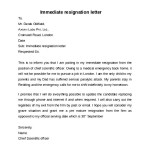


Calm Sample Letter Of Explanation :
Calm Sample Letter Of Explanation was posted in June 26, 2025 at 11:56 pm. If you wanna have it as yours, please click the Pictures and you will go to click right mouse then Save Image As and Click Save and download the Calm Sample Letter Of Explanation Picture.. Don’t forget to share this picture with others via Facebook, Twitter, Pinterest or other social medias! we do hope you'll get inspired by SampleTemplates123... Thanks again! If you have any DMCA issues on this post, please contact us!