Business Plan Template For Freelancers
Freelancer Business Plan Template: Charting Your Path to Success
A business plan isn’t just for startups seeking venture capital. As a freelancer, crafting a comprehensive business plan is crucial for setting goals, managing finances, and navigating the competitive freelance landscape. It acts as a roadmap, guiding your decisions and helping you stay on track towards building a thriving, sustainable business.
Why a Business Plan Matters for Freelancers
Freelancing offers freedom and flexibility, but it also demands strong self-management. A well-defined business plan provides:
- Clarity and Focus: It forces you to articulate your vision, target market, and the specific services you offer.
- Financial Planning: It helps you project income, track expenses, and manage cash flow effectively.
- Strategic Decision-Making: It provides a framework for evaluating opportunities and making informed choices about pricing, marketing, and growth.
- Goal Setting and Measurement: It allows you to set achievable milestones and track your progress towards your objectives.
- Professionalism and Credibility: If you need to secure funding or collaborate with other businesses, a well-structured plan demonstrates your seriousness and competence.
Key Components of a Freelancer Business Plan Template
A business plan doesn’t need to be overly complex. Here’s a breakdown of the essential sections, tailored for freelancers:
1. Executive Summary
This is a brief overview of your entire business plan. Write it after completing the other sections. It should concisely summarize your services, target market, goals, and financial projections. Think of it as an elevator pitch for your freelance business.
Key elements to include:
- Your name and the name of your freelance business (if applicable)
- A brief description of your services
- Your target market
- Your mission statement (a concise statement of your purpose)
- A summary of your financial goals (e.g., projected revenue, profit margins)
2. Company Description
This section provides a more detailed explanation of your freelance business. It should cover the following:
- Services Offered: Clearly define the specific services you provide. Be specific about your niche and what differentiates you from other freelancers. (e.g., “Content writing for SaaS companies focused on SEO-optimized blog posts and website copy.”)
- Legal Structure: Are you operating as a sole proprietorship, LLC, or other legal entity?
- Your Unique Value Proposition: What makes you the best choice for your target clients? Highlight your skills, experience, and any unique benefits you offer (e.g., faster turnaround times, specialized expertise, superior customer service).
- Mission and Vision Statements: Expand on these from the executive summary, providing a more detailed explanation of your purpose and long-term aspirations.
3. Market Analysis
Understanding your market is crucial for success. This section should demonstrate your knowledge of your target audience and the competitive landscape.
- Target Market: Define your ideal client. Consider factors like industry, company size, budget, and needs. Be as specific as possible. (e.g., “Small to medium-sized e-commerce businesses in the fashion industry with a focus on sustainable and ethical practices.”)
- Market Size and Trends: Research the size and growth potential of your target market. Are there emerging trends you can capitalize on?
- Competitive Analysis: Identify your main competitors (other freelancers or agencies offering similar services). Analyze their strengths and weaknesses. How can you differentiate yourself and gain a competitive advantage?
4. Services and Pricing
This section details your service offerings and pricing strategy.
- Detailed Service Descriptions: Provide a comprehensive description of each service you offer, outlining the scope, deliverables, and process.
- Pricing Strategy: Explain how you determine your pricing. Do you charge hourly, per project, or offer retainer packages? Justify your pricing based on your experience, value, and market rates. Consider factors like time, materials, and desired profit margin.
- Payment Terms: Clearly state your payment terms (e.g., payment schedule, accepted payment methods, late payment fees).
5. Marketing and Sales Strategy
How will you attract clients and generate revenue? This section outlines your marketing and sales plan.
- Marketing Channels: Identify the marketing channels you will use to reach your target audience. (e.g., social media marketing, content marketing, networking, email marketing, online advertising, referrals).
- Sales Process: Describe your sales process, from initial contact to closing the deal. How will you qualify leads, present your services, and overcome objections?
- Branding: Outline your branding strategy, including your logo, color scheme, website design, and overall brand message.
- Client Acquisition Cost (CAC): Estimate the cost of acquiring a new client. This will help you determine the effectiveness of your marketing efforts.
6. Financial Projections
This section presents your financial forecasts for the next 1-3 years. It’s crucial for understanding the financial viability of your freelance business.
- Revenue Projections: Estimate your monthly or annual revenue based on your pricing, client acquisition rate, and project volume. Be realistic and conservative in your estimates.
- Expense Budget: List all your expected expenses, including operating expenses (e.g., software subscriptions, internet, office supplies), marketing expenses, and taxes.
- Profit and Loss (P&L) Statement: Create a projected P&L statement to show your expected revenue, expenses, and profit or loss.
- Cash Flow Statement: Project your cash flow to ensure you have enough money to cover your expenses and manage your business effectively.
7. Management Team
Even as a solo freelancer, this section is important. Focus on your skills, experience, and qualifications.
- Your Experience and Skills: Highlight your relevant experience, skills, and expertise. Showcase your portfolio and client testimonials.
- Professional Development: Outline your plans for ongoing professional development to stay up-to-date with industry trends and improve your skills.
8. Appendix (Optional)
Include any supporting documents that are relevant to your business plan, such as:
- Portfolio samples
- Client testimonials
- Market research data
- Contracts or agreements
Tips for Creating a Successful Freelancer Business Plan
- Be Realistic: Don’t overestimate your revenue or underestimate your expenses.
- Be Specific: Avoid vague statements and provide concrete details.
- Do Your Research: Conduct thorough market research to understand your target audience and competition.
- Review and Update Regularly: Your business plan is a living document. Review and update it regularly to reflect changes in your business and the market.
- Seek Feedback: Share your business plan with trusted colleagues, mentors, or business advisors for feedback and suggestions.
By investing the time and effort to create a comprehensive business plan, you’ll set yourself up for success in the dynamic world of freelancing. It provides a foundation for growth, helping you make informed decisions and achieve your professional goals.
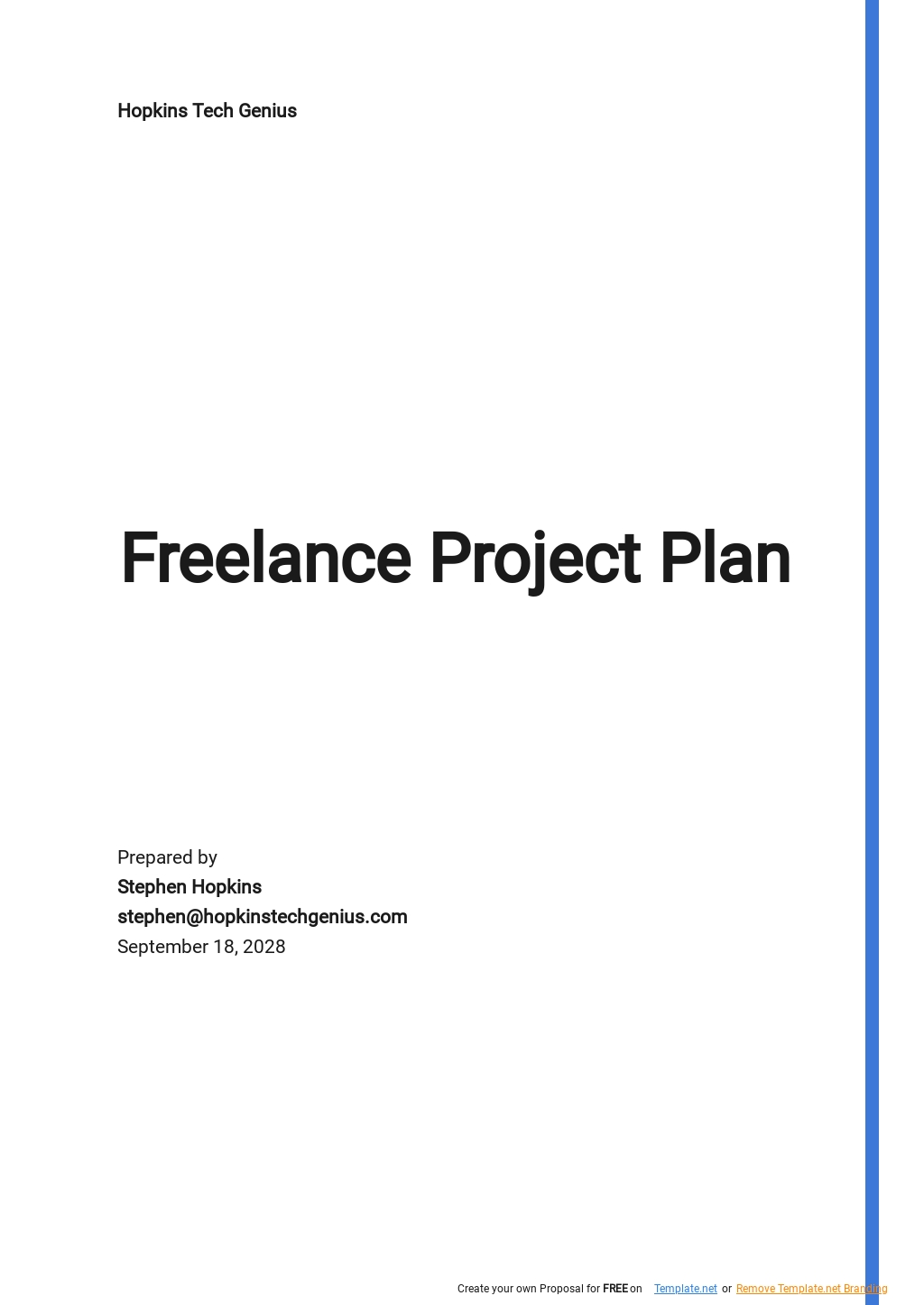 1024×1446 simple freelance business plan template google docs word from www.template.net
  1024×1446 simple freelance business plan template google docs word from www.template.net


Business Plan Template For Freelancers :
Business Plan Template For Freelancers was posted in July 24, 2025 at 3:52 pm. If you wanna have it as yours, please click the Pictures and you will go to click right mouse then Save Image As and Click Save and download the Business Plan Template For Freelancers Picture.. Don’t forget to share this picture with others via Facebook, Twitter, Pinterest or other social medias! we do hope you'll get inspired by SampleTemplates123... Thanks again! If you have any DMCA issues on this post, please contact us!