Subscription Service Marketing Plan Template
Subscription service businesses have exploded in popularity, offering recurring value to customers and predictable revenue streams to companies. However, success in this competitive landscape requires a well-defined marketing plan. This template provides a framework for developing a robust and effective strategy. **1. Executive Summary:** Begin with a concise overview of your subscription service, its target market, and the overall marketing objectives. Summarize your key strategies and expected outcomes. This section should be compelling enough to capture the attention of stakeholders and provide a high-level understanding of the plan. Emphasize the unique selling proposition (USP) of your subscription service and how it differentiates you from competitors. Quantify goals such as subscriber acquisition, retention rate, and customer lifetime value (CLTV). **2. Situation Analysis:** This section provides a comprehensive assessment of the current market landscape, your competitive position, and your internal capabilities. * **Market Analysis:** Identify the size, growth rate, and trends of your target market. Research demographics, psychographics, and buying behaviors. Analyze the needs and pain points your subscription service addresses. Understand the market saturation and potential barriers to entry. Consider external factors like economic conditions, regulatory changes, and technological advancements. * **Competitive Analysis:** Identify your direct and indirect competitors. Analyze their strengths and weaknesses, pricing strategies, marketing tactics, and customer reviews. Differentiate your offering based on value proposition, pricing, features, or target audience. Conduct a SWOT (Strengths, Weaknesses, Opportunities, Threats) analysis for each key competitor. * **Internal Analysis:** Evaluate your internal resources, including marketing budget, team skills, technology infrastructure, and operational capacity. Assess your existing customer base, acquisition channels, and retention rates. Identify your strengths and weaknesses in areas such as product development, customer service, and marketing execution. Evaluate the effectiveness of past marketing campaigns. **3. Target Audience Definition:** Define your ideal customer profile with as much detail as possible. This is crucial for tailoring your messaging and selecting the most effective marketing channels. * **Demographics:** Age, gender, location, income, education, occupation. * **Psychographics:** Interests, values, lifestyle, attitudes, motivations. * **Behavioral Patterns:** Online activity, purchasing habits, subscription preferences, product usage. * **Needs and Pain Points:** What problems does your subscription service solve for them? What are their unmet needs? * **Buyer Personas:** Create fictional representations of your ideal customers based on your research. Give them names, backgrounds, and motivations. **4. Marketing Objectives:** Set specific, measurable, achievable, relevant, and time-bound (SMART) objectives. These objectives should align with your overall business goals. * **Acquisition Objectives:** Number of new subscribers to acquire within a specific timeframe. Cost per acquisition (CPA) target. Conversion rates for different acquisition channels. * **Retention Objectives:** Subscriber churn rate target. Customer lifetime value (CLTV) improvement. Subscriber engagement metrics (e.g., usage frequency, content consumption). * **Brand Awareness Objectives:** Website traffic increase. Social media engagement growth. Brand mentions and sentiment analysis. * **Revenue Objectives:** Overall subscription revenue target. Average revenue per user (ARPU) increase. **5. Marketing Strategies:** Outline the overarching approaches you will take to achieve your marketing objectives. * **Content Marketing:** Create valuable and engaging content (blog posts, videos, infographics, podcasts) to attract and educate your target audience. Focus on topics relevant to their needs and interests. Optimize content for search engines (SEO). * **Social Media Marketing:** Build a strong presence on relevant social media platforms. Share engaging content, run contests and promotions, and interact with your audience. Use social media advertising to reach a wider audience. * **Email Marketing:** Nurture leads and onboard new subscribers with automated email sequences. Send regular newsletters with valuable content and exclusive offers. Segment your email list to personalize messaging. * **Search Engine Optimization (SEO):** Optimize your website and content for relevant keywords to improve your search engine rankings. Build backlinks from authoritative websites. * **Paid Advertising:** Utilize paid advertising channels (e.g., Google Ads, social media ads) to drive targeted traffic to your website. Test different ad creatives and targeting options. * **Referral Marketing:** Encourage existing subscribers to refer new customers with incentives. Implement a referral program with attractive rewards. * **Partnerships:** Collaborate with complementary businesses to reach a wider audience. Offer joint promotions and cross-marketing opportunities. **6. Marketing Tactics:** Detail the specific actions you will take to implement your strategies. * **Content Marketing:** Develop a content calendar, create blog posts on specific topics, produce explainer videos, distribute content on social media. * **Social Media Marketing:** Schedule social media posts, run contests and giveaways, engage in conversations, respond to comments and messages. * **Email Marketing:** Create email templates, write engaging subject lines, segment email list, set up automated email sequences. * **SEO:** Conduct keyword research, optimize website content, build backlinks, monitor search engine rankings. * **Paid Advertising:** Create ad campaigns, select targeting options, set budget, track campaign performance, optimize ads. * **Referral Marketing:** Design referral program, promote referral program to existing subscribers, track referral performance. * **Partnerships:** Identify potential partners, negotiate partnership agreements, develop joint marketing campaigns. **7. Marketing Budget:** Allocate your marketing budget across different channels and activities. * **Channel Allocation:** Percentage of budget allocated to each marketing channel (e.g., content marketing, social media marketing, paid advertising). * **Activity Allocation:** Budget allocated to specific activities within each channel (e.g., content creation, social media advertising, email marketing software). * **Contingency Fund:** Allocate a portion of the budget for unexpected opportunities or challenges. **8. Measurement and Evaluation:** Define the key performance indicators (KPIs) you will track to measure the success of your marketing efforts. * **Acquisition Metrics:** Website traffic, conversion rates, cost per acquisition (CPA), subscriber growth rate. * **Retention Metrics:** Churn rate, customer lifetime value (CLTV), subscriber engagement, renewal rates. * **Brand Awareness Metrics:** Website traffic, social media engagement, brand mentions, sentiment analysis. * **Reporting Frequency:** How often will you track and report on your KPIs? * **Analysis and Optimization:** How will you use the data you collect to optimize your marketing campaigns? **9. Timeline:** Establish a timeline for implementing your marketing plan. * **Key Milestones:** Define key milestones and deadlines for each marketing activity. * **Responsibility Assignment:** Assign responsibility for each activity to specific team members. * **Regular Review:** Schedule regular reviews to track progress and make adjustments to the plan as needed. This comprehensive template provides a framework for developing a successful subscription service marketing plan. Remember to tailor it to your specific business, target audience, and market conditions. Regularly review and update your plan based on performance data and changing market dynamics. A well-executed marketing plan will be instrumental in driving subscriber growth, increasing retention, and achieving your overall business goals.
 853×480 subscription plan powerpoint template keynote slidebazaar from slidebazaar.com
  1000×820 subscription plan template royalty vector image from www.vectorstock.com
  800×534 subscription plan template stock vector illustration media from www.dreamstime.com
 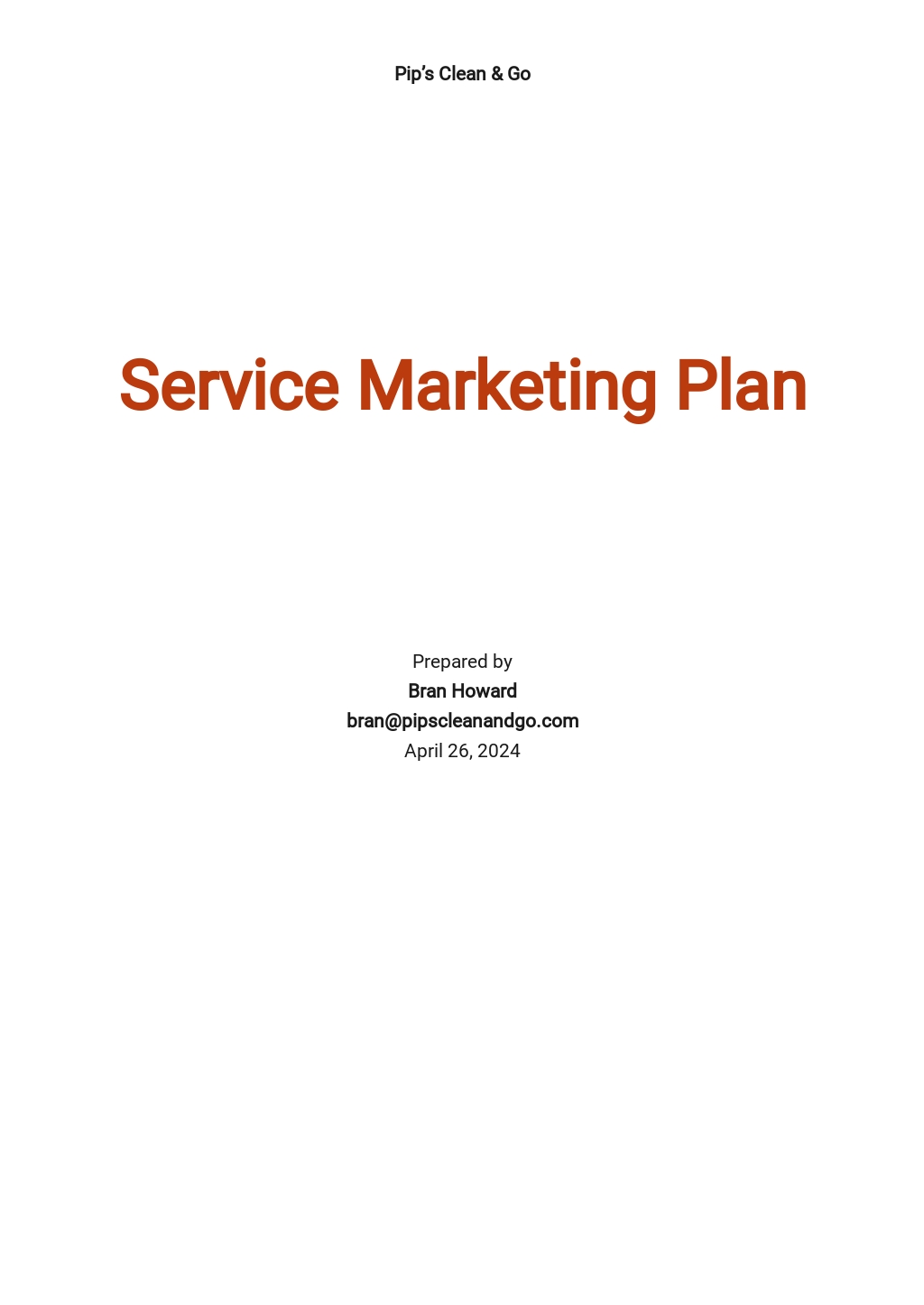 1024×1446 sample service plan template google docs word apple from www.template.net



Subscription Service Marketing Plan Template :
Subscription Service Marketing Plan Template was posted in October 24, 2025 at 2:10 am. If you wanna have it as yours, please click the Pictures and you will go to click right mouse then Save Image As and Click Save and download the Subscription Service Marketing Plan Template Picture.. Don’t forget to share this picture with others via Facebook, Twitter, Pinterest or other social medias! we do hope you'll get inspired by SampleTemplates123... Thanks again! If you have any DMCA issues on this post, please contact us!