Business Plan Template For Home-based Businesses
Business Plan Template for Home-Based Businesses
Starting a home-based business offers flexibility and lower overhead, but it still requires careful planning. A well-structured business plan is crucial for securing funding, attracting partners, and guiding your growth. This template provides a framework to develop a comprehensive plan tailored to the specific needs of a home-based venture.
I. Executive Summary
The executive summary is a concise overview of your entire business plan. It should be compelling and highlight the key aspects of your business. Write this section last, after you’ve completed the rest of the plan.
* **Business Concept:** Briefly describe your home-based business, including the products or services you offer and your target market. * **Mission Statement:** Articulate the core purpose and values of your business. What problem are you solving, and what makes you unique? * **Goals & Objectives:** Outline your specific, measurable, achievable, relevant, and time-bound (SMART) goals for the business. * **Financial Highlights:** Summarize key financial projections, such as projected revenue, expenses, and profitability. Mention any funding requirements. * **Management Team:** Introduce yourself and any key personnel involved in the business, highlighting relevant experience and expertise.
II. Company Description
This section provides a detailed overview of your home-based business. It should answer the question: “What is your business all about?”
* **Business Name & Legal Structure:** State your business name and the legal structure you’ve chosen (e.g., sole proprietorship, LLC). Explain why you selected that structure. * **Business History (if applicable):** If you’ve already started your business, briefly describe its history, including key milestones. * **Products or Services:** Provide a detailed description of the products or services you offer. Highlight their unique features, benefits, and competitive advantages. Explain how they meet the needs of your target market. * **Location:** Specify that your business is home-based and address any zoning or regulatory considerations. Clearly state your business address (if different from your home address) and how clients/customers will interact with your business. * **Equipment and Resources:** List any essential equipment, software, or other resources required to operate your business. Address how these will be obtained and maintained. * **Intellectual Property (if applicable):** Describe any patents, trademarks, copyrights, or trade secrets associated with your business.
III. Market Analysis
Understanding your market is critical for success. This section demonstrates your knowledge of your target market and competitive landscape.
* **Target Market:** Identify your ideal customer profile. Include demographic information (age, gender, income, location), psychographic information (interests, values, lifestyle), and purchasing behavior. * **Market Size & Trends:** Research and estimate the size of your target market. Analyze current market trends and identify potential opportunities and threats. * **Competition:** Identify your key competitors, both direct and indirect. Analyze their strengths and weaknesses. How will you differentiate yourself from the competition? What is your competitive advantage? * **Pricing Strategy:** Describe your pricing strategy and justify it based on your costs, competition, and perceived value. * **Marketing & Sales Strategy:** Outline your plan for reaching your target market and generating sales. Include details about your marketing channels (e.g., social media, online advertising, content marketing, email marketing, local partnerships) and sales process.
IV. Organization and Management
This section describes the structure and management of your business.
* **Management Team:** Provide detailed information about yourself and any key personnel, including their roles, responsibilities, and relevant experience. * **Organizational Structure:** Illustrate the organizational structure of your business. How will tasks be divided and delegated? * **Advisory Board (Optional):** If you have an advisory board or mentors, list their names and expertise. * **Legal and Regulatory Compliance:** Describe any legal or regulatory requirements for operating your home-based business, such as licenses, permits, and insurance.
V. Service or Product Line
Expand on the brief description in earlier sections, offering granular detail about your offerings.
* **Detailed Descriptions:** For each product or service, provide in-depth descriptions, highlighting features and benefits. Use visuals where appropriate. * **Development and Production:** Outline the process for developing and producing your products or delivering your services. Discuss quality control measures. If you are sourcing products, list your suppliers. * **Future Products/Services:** Describe any planned future additions to your product or service line. This shows forward-thinking and potential for growth.
VI. Financial Projections
This section is crucial for demonstrating the financial viability of your business. Use realistic assumptions and provide supporting documentation.
* **Start-up Costs:** List all the initial expenses required to start your business, such as equipment, software, marketing materials, and legal fees. * **Revenue Projections:** Estimate your projected revenue for the next 3-5 years. Provide a detailed breakdown of how you arrived at these figures, considering factors such as sales volume, pricing, and seasonality. * **Expense Projections:** Project your operating expenses for the next 3-5 years, including rent (if applicable), utilities, marketing, salaries (if applicable), and cost of goods sold. * **Profit and Loss Statement:** Create a projected profit and loss (P&L) statement for the next 3-5 years, showing your revenue, expenses, and net profit or loss. * **Cash Flow Statement:** Develop a projected cash flow statement for the next 3-5 years, showing the movement of cash in and out of your business. This is essential for managing your finances and avoiding cash flow problems. * **Break-Even Analysis:** Determine the point at which your revenue equals your expenses. This will help you understand how much you need to sell to become profitable. * **Funding Request (if applicable):** If you are seeking funding, specify the amount of funding required and how you plan to use it. Include information about your equity stake and repayment terms.
VII. Appendix
Include any supporting documents that are relevant to your business plan.
* **Resumes of Key Personnel** * **Market Research Data** * **Letters of Intent or Contracts** * **Permits and Licenses** * **Product Photos or Brochures**
Remember to tailor this template to your specific business and industry. A well-written business plan will increase your chances of success and help you achieve your goals.
 2200×1700 business plan template mt home arts from mthomearts.com
 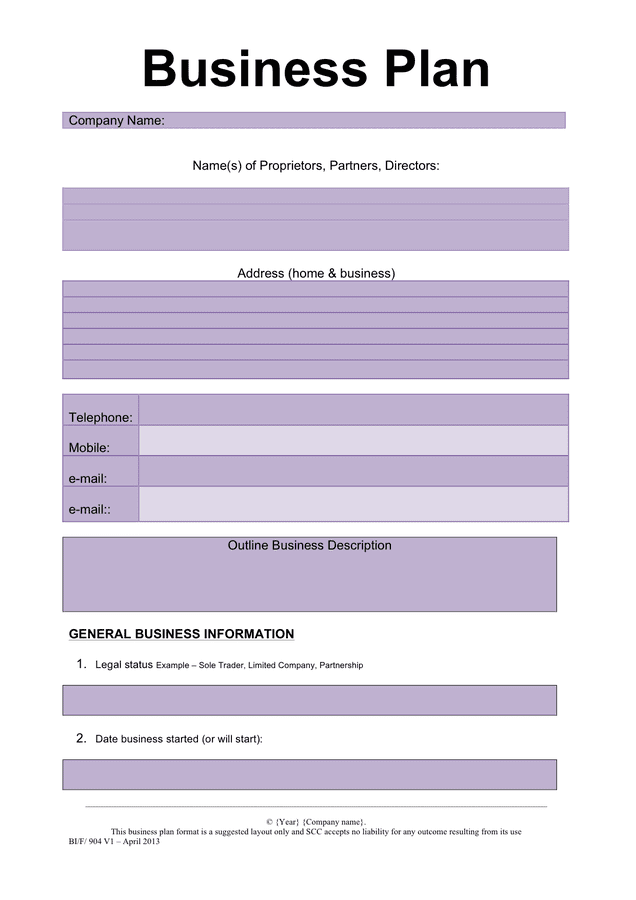 636×900 business plan template word formats from www.dexform.com
  2550×3300 printable business plan template templates allbusinesstemplatescom from www.allbusinesstemplates.com
 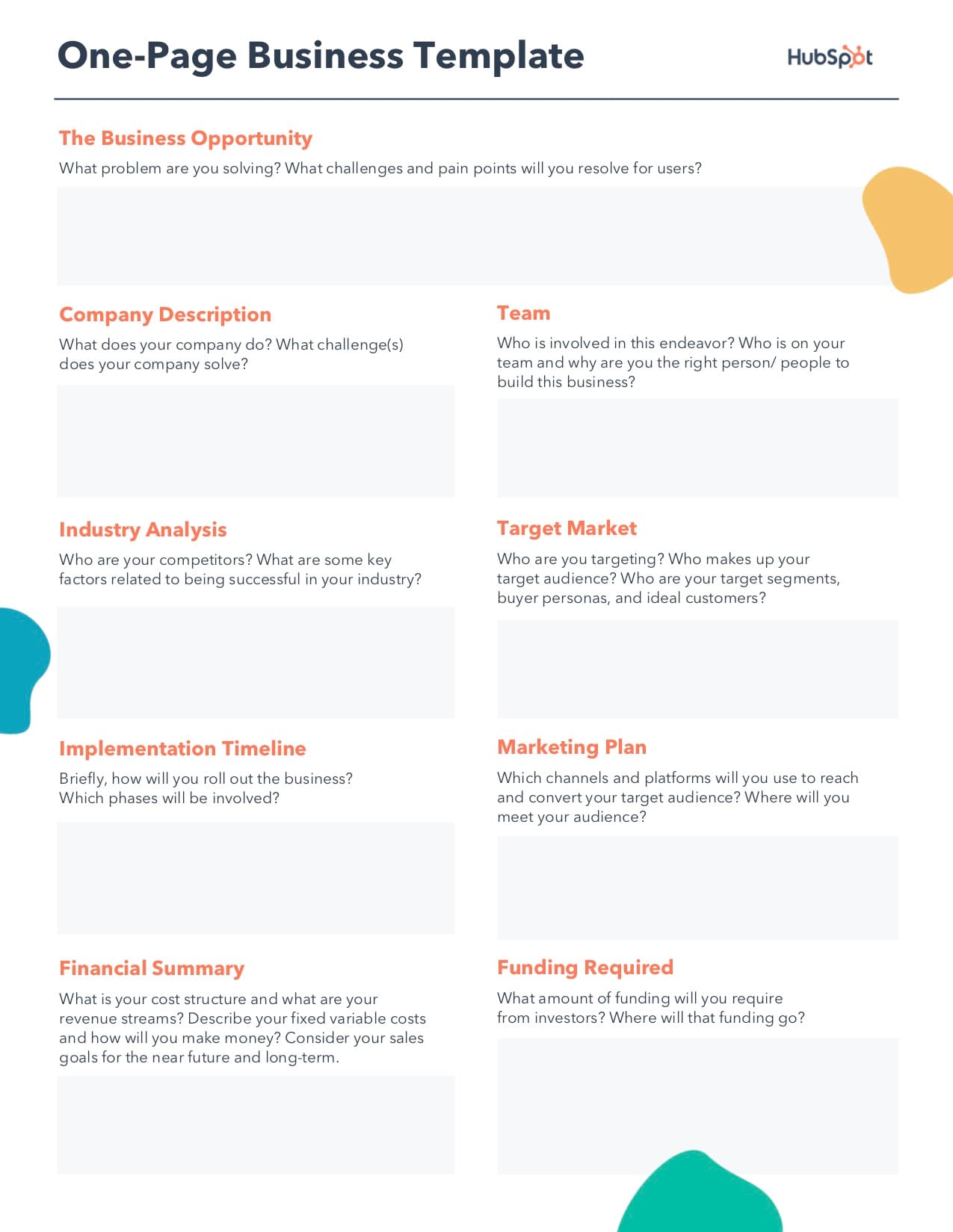 1275×1649 business plan template updated from offers.hubspot.com
  1140×1490 printable business plan template sampletemplatess sampletemplatess from www.sampletemplatess.com
  450×674 home based business home based business plan template from homebasedbusinesshokitaku.blogspot.com
  738×958 actionable business plan template dothethings from dothethings.com



Business Plan Template For Home-based Businesses :
Business Plan Template For Home-based Businesses was posted in May 28, 2025 at 7:58 pm. If you wanna have it as yours, please click the Pictures and you will go to click right mouse then Save Image As and Click Save and download the Business Plan Template For Home-based Businesses Picture.. Don’t forget to share this picture with others via Facebook, Twitter, Pinterest or other social medias! we do hope you'll get inspired by SampleTemplates123... Thanks again! If you have any DMCA issues on this post, please contact us!