Retirement Plan Template
Retirement Plan Template: A Comprehensive Guide
Planning for retirement can feel overwhelming, but a well-structured retirement plan template simplifies the process. It provides a framework for assessing your current financial situation, setting realistic goals, and developing strategies to achieve those goals. This guide explores the key components of a retirement plan template and how to effectively use it.
Understanding the Purpose of a Retirement Plan Template
A retirement plan template serves as a roadmap to financial security in your later years. It’s a dynamic document that should be reviewed and updated regularly to reflect changes in your life, financial status, and the economic landscape. The template’s primary purpose is to:
* **Organize your finances:** It helps you consolidate information about your income, expenses, assets, and liabilities. * **Define your retirement goals:** It prompts you to envision your ideal retirement lifestyle and estimate the costs associated with it. * **Identify gaps:** It highlights the difference between your current projected savings and your retirement goals. * **Develop actionable strategies:** It encourages you to explore ways to increase savings, reduce expenses, and optimize investments. * **Track progress:** It provides a framework for monitoring your progress and making necessary adjustments along the way.
Key Components of a Retirement Plan Template
A comprehensive retirement plan template typically includes the following sections:
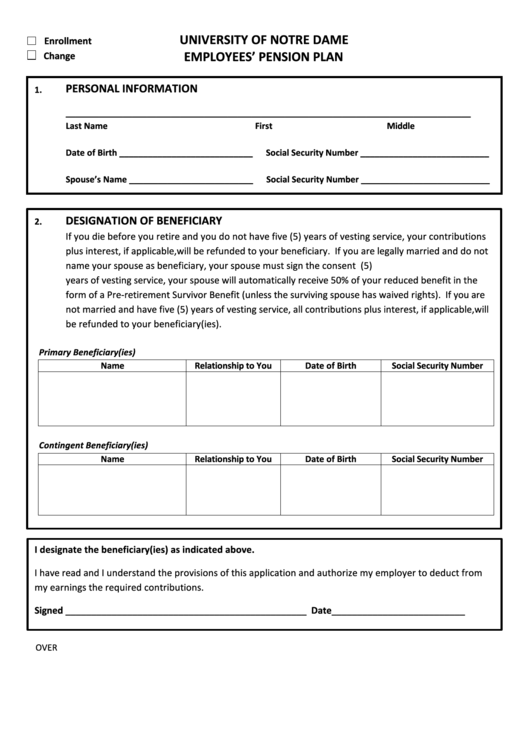
1. Personal Information
This section includes basic details such as your name, age, marital status, and contact information. It’s crucial for establishing a clear understanding of your personal circumstances.
2. Current Financial Situation
This is the foundation of your retirement plan. It involves a detailed assessment of your:
* **Income:** List all sources of income, including salary, wages, self-employment income, rental income, and any other recurring payments. * **Expenses:** Track your monthly expenses, categorizing them into essential (housing, food, transportation) and discretionary (entertainment, travel, hobbies). * **Assets:** Identify and value all your assets, including: * **Retirement Accounts:** 401(k)s, 403(b)s, IRAs (Traditional, Roth, SEP), pensions. * **Investments:** Stocks, bonds, mutual funds, ETFs, real estate, precious metals. * **Savings Accounts:** Checking accounts, savings accounts, CDs, money market accounts. * **Other Assets:** Valuable collectibles, businesses, or other possessions that can be liquidated. * **Liabilities:** List all your debts, including: * Mortgages * Student loans * Credit card debt * Car loans * Personal loans
3. Retirement Goals
This section requires you to define your desired retirement lifestyle and estimate the cost. Consider the following factors:
* **Retirement Age:** When do you plan to retire? * **Desired Lifestyle:** What kind of lifestyle do you envision? Will you travel extensively, pursue hobbies, volunteer, or simply relax at home? * **Location:** Where do you plan to live? Will you stay in your current home, downsize, or relocate to a different city or country? * **Healthcare Costs:** Healthcare expenses tend to increase with age. Research and estimate your potential healthcare costs. * **Inflation:** Factor in inflation when estimating your future expenses. Historically, inflation averages around 3% per year. * **Longevity:** How long do you expect to live? Consider your family history and current health status. A longer lifespan requires more savings. * **Desired Retirement Income:** Based on your lifestyle and expenses, estimate the annual income you’ll need in retirement.
4. Savings and Investment Strategies
This section outlines how you plan to bridge the gap between your current savings and your retirement goals.
* **Savings Rate:** Determine how much of your income you can realistically save each month or year. Aim for at least 15% of your gross income. * **Asset Allocation:** Decide how to allocate your investments across different asset classes (stocks, bonds, real estate) based on your risk tolerance and time horizon. Younger individuals with a longer time horizon can generally afford to take on more risk. * **Investment Vehicles:** Choose appropriate investment vehicles for your retirement savings, such as 401(k)s, IRAs, and brokerage accounts. * **Contribution Strategies:** Explore strategies to maximize your retirement contributions, such as taking advantage of employer matching programs and contributing to Roth IRAs. * **Debt Management:** Develop a plan to pay down high-interest debt, as debt can significantly impact your ability to save for retirement.
5. Projections and Analysis
This section uses financial modeling to project your retirement savings based on your current savings, contributions, and investment returns.
* **Retirement Savings Projections:** Use a retirement calculator or spreadsheet to project your future retirement savings. This will help you assess whether you’re on track to meet your goals. * **Gap Analysis:** Identify the difference between your projected retirement savings and your desired retirement income. * **Sensitivity Analysis:** Explore how different factors, such as investment returns, inflation, and retirement age, can impact your retirement savings.
6. Action Plan
This section outlines specific steps you need to take to improve your retirement plan.
* **Increase Savings:** Identify ways to increase your savings rate, such as reducing expenses or increasing your income. * **Optimize Investments:** Review your asset allocation and make adjustments as needed. Consider diversifying your investments to reduce risk. * **Seek Professional Advice:** Consider consulting with a financial advisor to get personalized guidance. * **Regular Review:** Schedule regular reviews of your retirement plan to ensure it’s still aligned with your goals and circumstances.
Tips for Using a Retirement Plan Template Effectively
* **Be Honest and Realistic:** Accurate and realistic financial data is crucial for creating a meaningful retirement plan. * **Start Early:** The earlier you start planning for retirement, the more time you have to save and invest. * **Be Consistent:** Regularly review and update your retirement plan to reflect changes in your life and financial situation. * **Seek Professional Guidance:** Don’t hesitate to seek advice from a qualified financial advisor. * **Don’t Be Afraid to Adjust:** Your retirement plan is not set in stone. Be prepared to make adjustments as needed based on your progress and changing circumstances.
By following these guidelines and utilizing a comprehensive retirement plan template, you can take control of your financial future and ensure a comfortable and secure retirement.
 1156×1496 retirement savings plan template roomi issuu from issuu.com
  598×498 sample retirement plan advantage wealth planning from advantagewealthplanning.ca
  1123×722 retirement plan template word templates from wordtemplates.org
  474×370 retirement financial planner sample sampletemplatess from www.sampletemplatess.com
  1162×996 retirement planning template doctemplates from doctemplates.us
  530×749 retirement plan form templates from www.formsbank.com
  756×608 excel retirement planner sampletemplatess from www.sampletemplatess.com


Retirement Plan Template :
Retirement Plan Template was posted in September 13, 2025 at 12:05 am. If you wanna have it as yours, please click the Pictures and you will go to click right mouse then Save Image As and Click Save and download the Retirement Plan Template Picture.. Don’t forget to share this picture with others via Facebook, Twitter, Pinterest or other social medias! we do hope you'll get inspired by SampleTemplates123... Thanks again! If you have any DMCA issues on this post, please contact us!