Cleaning Service Marketing Plan Template
Cleaning Service Marketing Plan Template
A well-structured marketing plan is crucial for the success of any cleaning service, whether you’re just starting out or looking to expand your existing business. This template provides a framework to guide your marketing efforts, ensuring you reach your target audience and achieve your business goals.
1. Executive Summary
Begin with a concise overview of your entire marketing plan. This section should summarize your company’s mission, target market, key marketing objectives, and the strategies you’ll employ to achieve them. It should also highlight your competitive advantage and projected ROI.
2. Situation Analysis
This section is all about understanding your current market position and the environment in which you operate. It involves a thorough assessment of internal and external factors.
2.1. Market Analysis
Analyze the cleaning service market in your target area. This includes identifying market size, growth rate, trends, and customer demographics. Consider researching:
- Market Size and Growth: Estimate the total revenue generated by cleaning services in your area and track its growth over time.
- Market Trends: Identify emerging trends like eco-friendly cleaning, specialized cleaning services (e.g., move-in/move-out cleaning), and the increasing demand for convenience.
- Customer Demographics: Understand the age, income, lifestyle, and cleaning needs of your potential customers. Are you targeting busy professionals, families, or elderly individuals?
2.2. Competitor Analysis
Identify your main competitors and analyze their strengths and weaknesses. Look at their pricing, services offered, marketing strategies, and customer reviews. This will help you identify opportunities to differentiate your business and gain a competitive edge.
- Direct Competitors: Businesses offering similar cleaning services in your area.
- Indirect Competitors: Alternative solutions customers might use instead of a cleaning service (e.g., hiring individual cleaners, using cleaning products themselves).
- Competitive Advantages: What makes your cleaning service stand out? (e.g., eco-friendly products, specialized services, exceptional customer service, competitive pricing).
2.3. SWOT Analysis
Conduct a SWOT (Strengths, Weaknesses, Opportunities, Threats) analysis to summarize your internal capabilities and external environment.
- Strengths: Internal advantages such as experienced staff, high-quality equipment, and strong customer relationships.
- Weaknesses: Internal limitations like limited resources, lack of brand awareness, or outdated equipment.
- Opportunities: External factors that you can capitalize on, such as a growing market, underserved niche, or new technology.
- Threats: External factors that could negatively impact your business, such as increased competition, economic downturn, or changing regulations.
3. Target Market
Define your ideal customer. Be specific about their demographics, psychographics, and needs. Understanding your target market is crucial for tailoring your marketing messages and selecting the most effective channels.
- Demographics: Age, gender, income, location, occupation, family size.
- Psychographics: Lifestyle, values, interests, attitudes, cleaning habits.
- Needs: What are their cleaning needs? Do they need regular cleaning, deep cleaning, or specialized cleaning services? What are their pain points when it comes to cleaning?
Create customer personas – fictional representations of your ideal customers – to help you visualize and understand their needs and motivations.
4. Marketing Objectives
Set specific, measurable, achievable, relevant, and time-bound (SMART) marketing objectives. These objectives should align with your overall business goals.
- Example Objectives:
- Increase brand awareness by 20% within the next 6 months.
- Acquire 50 new customers per month for the next year.
- Increase website traffic by 30% within the next quarter.
- Improve customer satisfaction score to 4.5 out of 5 within the next year.
5. Marketing Strategies
Outline the strategies you will use to achieve your marketing objectives. This section should detail the specific tactics you will employ to reach your target market.
5.1. Branding
Develop a strong brand identity that reflects your company’s values and differentiates you from the competition. This includes your logo, brand colors, messaging, and overall brand personality.
5.2. Online Marketing
- Website: Create a professional and user-friendly website that showcases your services, pricing, and testimonials. Ensure it is optimized for search engines (SEO).
- Search Engine Optimization (SEO): Optimize your website and content to rank higher in search engine results pages (SERPs) for relevant keywords.
- Social Media Marketing: Engage with your target audience on social media platforms like Facebook, Instagram, and LinkedIn. Share valuable content, run contests, and respond to customer inquiries.
- Pay-Per-Click (PPC) Advertising: Run targeted advertising campaigns on Google Ads and social media platforms to drive traffic to your website and generate leads.
- Email Marketing: Build an email list and send out regular newsletters, promotions, and special offers to nurture leads and retain customers.
- Online Directories: List your business on online directories like Yelp, Google My Business, and Angie’s List.
5.3. Offline Marketing
- Print Advertising: Consider advertising in local newspapers, magazines, and community newsletters.
- Direct Mail Marketing: Send out postcards, brochures, and flyers to targeted neighborhoods.
- Networking: Attend local business events and network with potential customers and referral partners.
- Partnerships: Partner with complementary businesses like real estate agents, property managers, and interior designers.
- Community Events: Participate in local community events to raise brand awareness and connect with potential customers.
5.4. Customer Relationship Management (CRM)
Implement a CRM system to manage customer interactions, track leads, and provide excellent customer service.
6. Marketing Budget
Allocate a budget for each marketing activity. Be realistic about your resources and prioritize the most effective strategies.
Consider allocating budget to:
- Website development and maintenance
- SEO and content marketing
- Social media advertising
- PPC advertising
- Email marketing software
- Print advertising
- Direct mail marketing
- Networking events
- CRM software
7. Implementation Plan
Create a detailed schedule for implementing your marketing activities. Assign responsibilities and set deadlines for each task.
8. Evaluation and Control
Establish key performance indicators (KPIs) to track the success of your marketing efforts. Regularly monitor your progress and make adjustments as needed. Examples of KPIs include website traffic, lead generation, conversion rates, customer acquisition cost, and customer lifetime value.
9. Appendix
Include any supporting documents, such as market research data, competitor analysis reports, and customer testimonials.
By following this cleaning service marketing plan template, you can develop a comprehensive strategy to attract new customers, retain existing clients, and grow your business.
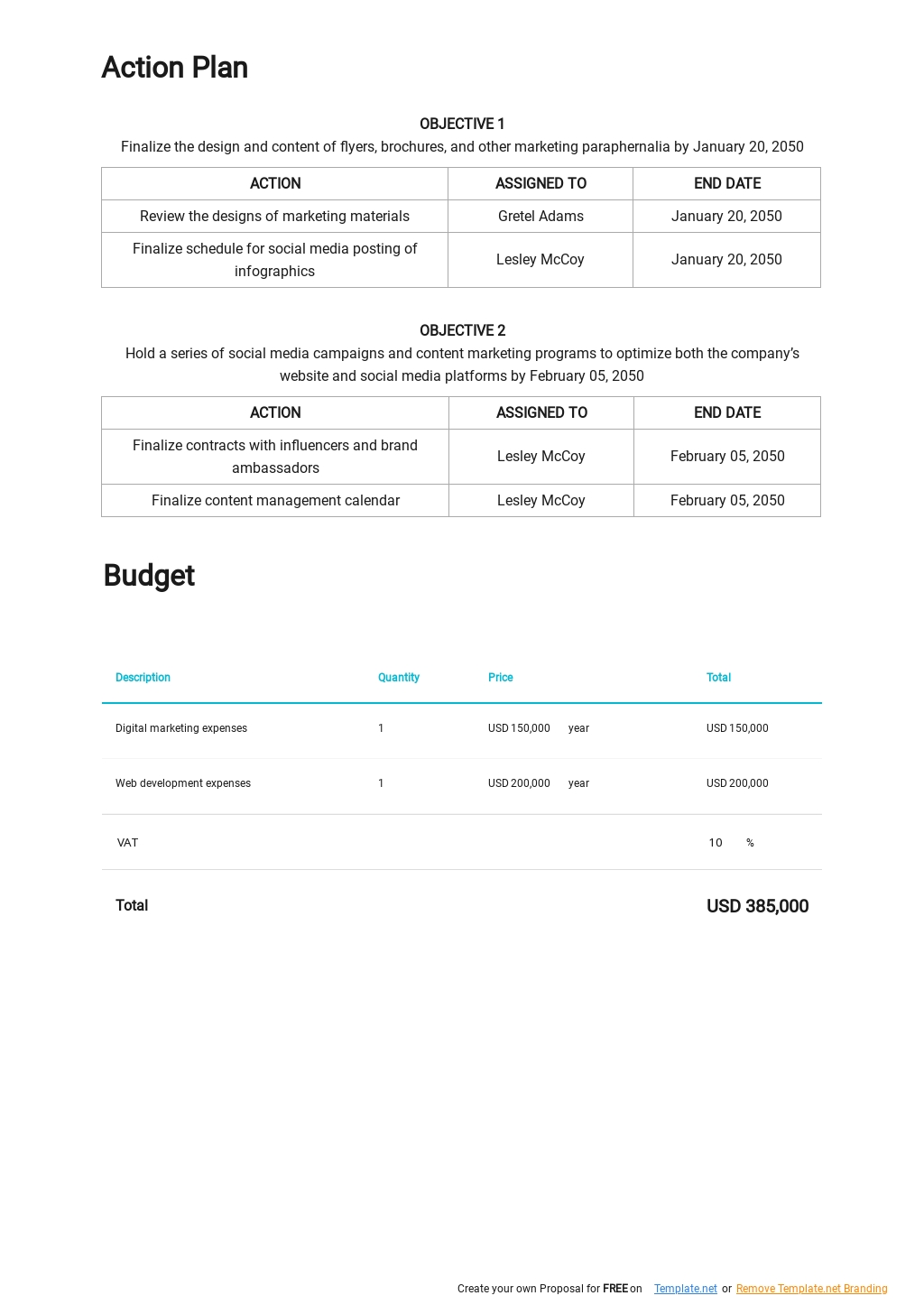 1024×1446 cleaning service marketing plan template google docs word apple from www.template.net
  0 x 0 sample janitorial marketing plan commercial cleaning from methodcleanbiz.com

Cleaning Service Marketing Plan Template :
Cleaning Service Marketing Plan Template was posted in June 14, 2025 at 6:49 pm. If you wanna have it as yours, please click the Pictures and you will go to click right mouse then Save Image As and Click Save and download the Cleaning Service Marketing Plan Template Picture.. Don’t forget to share this picture with others via Facebook, Twitter, Pinterest or other social medias! we do hope you'll get inspired by SampleTemplates123... Thanks again! If you have any DMCA issues on this post, please contact us!
Related For Cleaning Service Marketing Plan Template

Non-profit Financial Plan Template
“`html Nonprofit Financial Plan Template: A Guide to SustainabilityBusiness Plan Template For Automoti
“`html Business Plan Template for Automotive Repair Shops StartingWorkplace Conflict Resolution Plan
Workplace Conflict Resolution Plan Template Workplace Conflict Resolution Plan