Project Plan Template For Nonprofit Project
Nonprofit Project Plan Template: A Guide to Success
Nonprofit organizations often operate with limited resources, making meticulous planning crucial for successful project execution. A well-structured project plan serves as a roadmap, ensuring that projects align with the organization’s mission, stay within budget, and achieve desired outcomes. This template provides a comprehensive framework for crafting effective project plans for nonprofit initiatives.
I. Project Overview
This section sets the stage for the entire project plan. It provides a high-level summary, clearly articulating the project’s purpose and strategic alignment.
- Project Title: A concise and descriptive name that accurately reflects the project’s nature.
- Project Summary: A brief overview of the project’s goals, objectives, and intended impact. This summary should be understandable to stakeholders with varying levels of project knowledge.
- Organization Mission Alignment: Explain how the project directly supports and furthers the organization’s overall mission. This demonstrates the project’s strategic relevance and justifies its resource allocation.
- Problem Statement: Clearly define the problem or need the project aims to address. Back up the problem statement with data, research, or anecdotal evidence to demonstrate its significance and urgency.
- Target Beneficiaries: Identify the specific population or community that will directly benefit from the project. Be as specific as possible, outlining demographics, needs, and characteristics of the target group.
- Geographic Scope: Define the geographical area the project will serve. This could be a local community, a region, or even an international scope.
II. Goals and Objectives
This section outlines what the project intends to achieve, differentiating between broad goals and specific, measurable objectives.
- Project Goals: Broad, overarching statements that describe the desired long-term impact of the project. Goals should be ambitious but achievable. Example: “Improve access to healthy food for low-income families in the city.”
- Project Objectives: Specific, measurable, achievable, relevant, and time-bound (SMART) statements that detail how the project will achieve its goals. Objectives should be quantifiable and have clear deadlines. Examples:
- “Increase the number of families receiving food assistance by 20% within the next 12 months.”
- “Establish three new partnerships with local grocery stores to source fresh produce within the first six months.”
- “Conduct monthly nutritional workshops for beneficiary families, reaching a minimum of 50 participants per workshop.”
III. Project Activities and Tasks
This section breaks down the project into manageable tasks and activities, providing a detailed roadmap for implementation.
- Work Breakdown Structure (WBS): Divide the project into smaller, more manageable components. Each component represents a specific deliverable or outcome.
- Task List: For each component in the WBS, create a list of specific tasks that need to be completed. Each task should be clearly defined and assigned to a responsible party.
- Activity Schedule: Develop a timeline for each task and activity, including start dates, end dates, and durations. Tools like Gantt charts can be helpful for visualizing the project schedule.
- Resource Allocation: Identify the resources required for each task, including personnel, equipment, materials, and funding. Assign resources to specific tasks to ensure accountability and efficient utilization.
IV. Budget and Funding
This section outlines the project’s financial requirements and funding sources.
- Budget Breakdown: Itemize all project costs, including personnel costs, materials, equipment, travel, marketing, and administrative overhead. Be as detailed as possible to ensure accurate cost estimation.
- Funding Sources: Identify all potential funding sources, including grants, donations, sponsorships, fundraising events, and in-kind contributions.
- Fundraising Plan: Describe the strategies and activities that will be used to secure funding for the project. Include timelines, targets, and responsible parties.
- Financial Reporting: Outline the procedures for tracking and reporting project expenditures. Establish clear guidelines for documenting expenses and preparing financial reports for stakeholders.
V. Evaluation and Measurement
This section details how the project’s success will be measured and evaluated.
- Key Performance Indicators (KPIs): Identify specific, measurable indicators that will be used to track progress towards achieving project objectives. KPIs should be aligned with the SMART objectives outlined in Section II.
- Data Collection Methods: Describe the methods that will be used to collect data on KPIs, such as surveys, interviews, focus groups, and program records.
- Evaluation Plan: Outline the process for analyzing and interpreting the data collected. This includes identifying who will conduct the evaluation, the frequency of evaluations, and the reporting format.
- Impact Assessment: Describe how the project’s overall impact on the target beneficiaries and the community will be assessed. This may involve conducting pre- and post-project surveys or comparing outcomes to baseline data.
VI. Risk Management
This section identifies potential risks that could jeopardize the project’s success and outlines mitigation strategies.
- Risk Identification: Brainstorm potential risks that could impact the project, such as funding shortfalls, personnel turnover, logistical challenges, and regulatory changes.
- Risk Assessment: Evaluate the likelihood and impact of each identified risk. Prioritize risks based on their potential severity.
- Mitigation Strategies: Develop specific strategies to mitigate each identified risk. This may involve contingency planning, risk transfer, or risk avoidance.
- Risk Monitoring: Establish a system for monitoring and tracking identified risks throughout the project lifecycle. Regularly review the risk register and update mitigation strategies as needed.
VII. Communication Plan
This section outlines how communication will be managed throughout the project.
- Stakeholder Identification: Identify all key stakeholders, including beneficiaries, donors, staff, volunteers, board members, and community partners.
- Communication Channels: Determine the most effective communication channels for reaching each stakeholder group, such as email, newsletters, social media, meetings, and reports.
- Communication Frequency: Establish a schedule for regular communication with stakeholders. The frequency of communication may vary depending on the stakeholder group and the project’s stage.
- Reporting Requirements: Define the reporting requirements for the project, including the frequency, content, and distribution of reports.
VIII. Project Team and Governance
This section outlines the roles and responsibilities of the project team and the governance structure.
- Project Team Roles: Define the roles and responsibilities of each team member, including the project manager, team leads, and support staff.
- Organizational Chart: Create an organizational chart that illustrates the reporting relationships and lines of authority within the project team.
- Decision-Making Process: Outline the process for making key decisions related to the project. This includes identifying who has the authority to make decisions and the criteria for decision-making.
- Governance Structure: Describe the governance structure for the project, including any advisory boards, steering committees, or oversight bodies.
By diligently completing each section of this template, nonprofit organizations can develop comprehensive project plans that increase the likelihood of achieving their goals and maximizing their impact on the communities they serve.
 1024×1446 sample nonprofit development plan template google docs word from www.template.net
  1024×1446 short nonprofit development plan template google docs word from www.template.net
 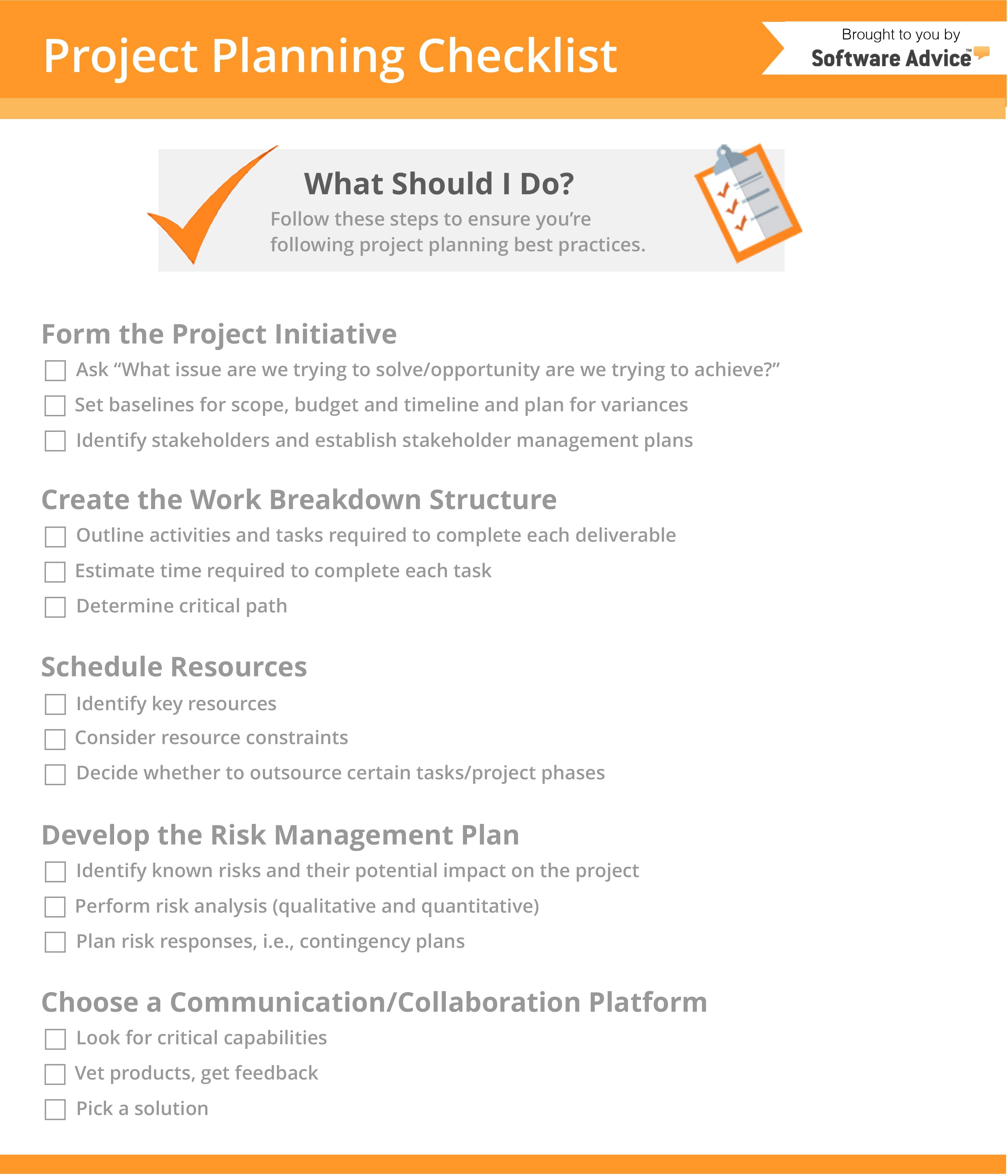 3093×3608 nonprofit project plan examples from www.examples.com
  1056×816 project plan templates examples from venngage.com
  480×292 complete guide nonprofit strategic planning from alysterling.com
  880×1243 profit program plan template google docs word apple pages from www.template.net


Project Plan Template For Nonprofit Project :
Project Plan Template For Nonprofit Project was posted in May 23, 2025 at 1:31 am. If you wanna have it as yours, please click the Pictures and you will go to click right mouse then Save Image As and Click Save and download the Project Plan Template For Nonprofit Project Picture.. Don’t forget to share this picture with others via Facebook, Twitter, Pinterest or other social medias! we do hope you'll get inspired by SampleTemplates123... Thanks again! If you have any DMCA issues on this post, please contact us!