Employee Onboarding Plan Template
Employee Onboarding Plan Template
A well-structured employee onboarding plan is crucial for setting new hires up for success and integrating them seamlessly into the company culture. This template provides a framework for creating a comprehensive onboarding experience.
I. Pre-Onboarding (Before the First Day)
A. Paperwork and Logistics
- Offer Letter and Employment Agreement: Finalize and send the offer letter and employment agreement well in advance, ensuring clarity on terms, compensation, and benefits.
- Background Checks and Compliance: Complete necessary background checks and ensure compliance with legal and company policies.
- Welcome Package: Prepare a welcome package (physical or digital) including:
- A welcome letter from the CEO or direct manager.
- Company swag (e.g., t-shirt, mug).
- Information about the company’s mission, values, and culture.
- A brief overview of the onboarding schedule.
- IT Setup: Ensure the new hire’s computer, phone, email account, and other necessary software are set up and ready to use.
- Workspace Preparation: Prepare the new hire’s workspace, including a clean desk, necessary supplies, and any ergonomic adjustments.
B. Communication and Engagement
- Welcome Email: Send a welcome email introducing the new hire to the team and outlining key information for the first day.
- Team Introductions: Introduce the new hire to their team members via email or a pre-scheduled virtual meeting.
- Pre-Onboarding Tasks: Assign any pre-onboarding tasks, such as reading company policies or watching introductory videos.
II. First Week Onboarding
A. Day 1: Orientation and Introductions
- Welcome and Introductions: Formally welcome the new hire and introduce them to key personnel (HR, manager, team members).
- Company Overview: Provide a comprehensive overview of the company’s history, mission, values, structure, and products/services.
- HR and Compliance Training: Conduct essential HR and compliance training, covering topics such as company policies, code of conduct, and harassment prevention.
- IT and Systems Training: Provide training on essential IT systems, software, and security protocols.
- Workspace Setup and Tour: Assist the new hire with setting up their workspace and give them a tour of the office.
- Lunch with the Team: Arrange a lunch with the team to facilitate social interaction and team bonding.
B. Subsequent Days: Role-Specific Training and Onboarding
- Role-Specific Training: Provide in-depth training on the new hire’s specific role, responsibilities, and expectations.
- Departmental Overviews: Introduce the new hire to other departments and key stakeholders they will be working with.
- Project Assignments: Assign initial projects to allow the new hire to apply their skills and contribute to the team.
- Performance Expectations: Clearly outline performance expectations and goals for the first 30, 60, and 90 days.
- Mentorship Program (Optional): Pair the new hire with a mentor who can provide guidance, support, and answer questions.
III. Ongoing Onboarding (First 90 Days and Beyond)
A. Regular Check-Ins and Feedback
- Weekly Check-Ins with Manager: Schedule weekly check-ins between the new hire and their manager to discuss progress, address concerns, and provide feedback.
- 30-Day Review: Conduct a formal 30-day review to assess the new hire’s progress, identify any challenges, and adjust the onboarding plan as needed.
- 60-Day Review: Conduct a 60-day review to evaluate the new hire’s performance, provide constructive feedback, and set goals for the next quarter.
- 90-Day Review: Conduct a comprehensive 90-day review to assess the new hire’s overall progress, discuss long-term goals, and finalize the onboarding process.
B. Continued Learning and Development
- Training and Development Opportunities: Provide ongoing training and development opportunities to enhance the new hire’s skills and knowledge.
- Company-Wide Events: Encourage the new hire to participate in company-wide events and activities to foster a sense of belonging.
- Performance Reviews: Conduct regular performance reviews (e.g., annual or bi-annual) to assess the new hire’s performance, provide feedback, and set goals for the future.
IV. Onboarding Checklist
| Task | Responsible Party | Due Date | Completed |
|---|---|---|---|
| Send Offer Letter | HR | [Date] | [ ] |
| Complete Background Check | HR | [Date] | [ ] |
| Prepare Welcome Package | HR/Manager | [Date] | [ ] |
| Set up IT Equipment | IT | [Date] | [ ] |
| Prepare Workspace | Manager | [Date] | [ ] |
| Schedule 30-day Check in | Manager | [Date] | [ ] |
Add more tasks specific to your organization and role
V. Key Performance Indicators (KPIs) for Onboarding
- Time to Productivity: How quickly the new hire becomes fully productive in their role.
- Retention Rate: The percentage of new hires who remain with the company after a specific period (e.g., 90 days, 1 year).
- Employee Engagement: The level of engagement and satisfaction among new hires.
- Feedback from New Hires: Gather feedback from new hires about their onboarding experience to identify areas for improvement.
This template provides a comprehensive framework for creating an effective employee onboarding plan. Remember to customize it to fit the specific needs of your organization and the roles you are hiring for. Regularly review and update your onboarding plan to ensure it remains relevant and effective.
 1154×728 employee onboarding template checklist easy from monday.com
  2294×1266 employee onboarding template mondaycom from monday.com
  612×792 employee onboarding plan template agendrix from www.agendrix.com
 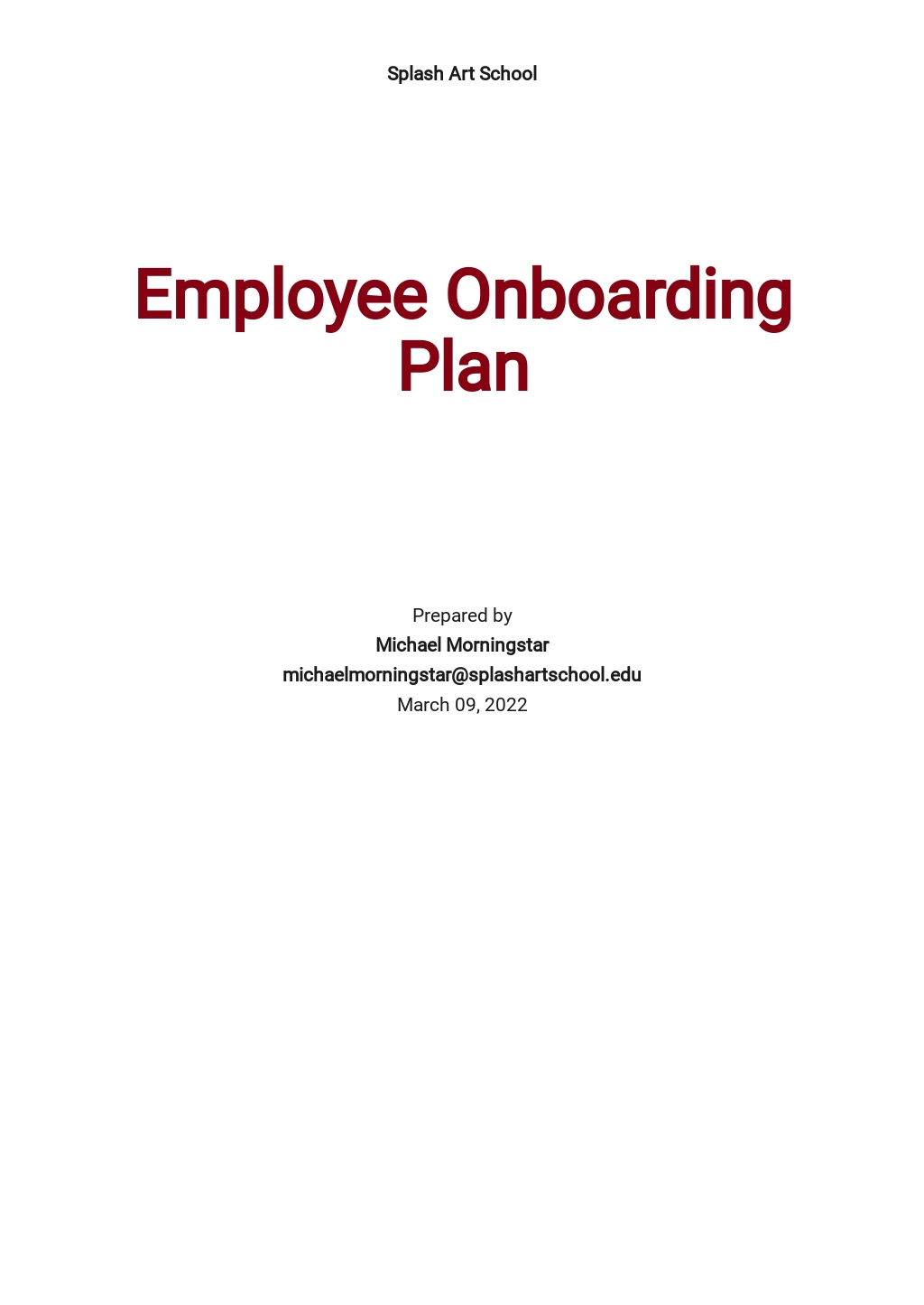 1024×1446 onboarding plan templates edit templatenet from www.template.net
  1066×831 employee onboarding checklist template excel template resume from www.contrapositionmagazine.com

Employee Onboarding Plan Template :
Employee Onboarding Plan Template was posted in June 28, 2025 at 10:01 am. If you wanna have it as yours, please click the Pictures and you will go to click right mouse then Save Image As and Click Save and download the Employee Onboarding Plan Template Picture.. Don’t forget to share this picture with others via Facebook, Twitter, Pinterest or other social medias! we do hope you'll get inspired by SampleTemplates123... Thanks again! If you have any DMCA issues on this post, please contact us!