Budgeting Plan Template For Students
Student Budgeting Plan Template: Taking Control of Your Finances
Navigating student life is challenging enough without the added stress of financial worries. Creating a budget and sticking to it can provide peace of mind, allowing you to focus on your studies and enjoy your university experience. This guide provides a comprehensive student budgeting plan template with practical steps and advice.
Why Students Need a Budget
Many students juggle tuition fees, rent, textbooks, groceries, and social activities. Without a budget, it’s easy to overspend and accumulate debt. A budget allows you to:
* Track your income and expenses: Knowing where your money comes from and where it goes is the first step to financial control. * Prioritize spending: Allocate funds to essential needs and make informed decisions about discretionary spending. * Set financial goals: Save for future expenses, like study abroad programs, spring break trips, or graduation. * Avoid debt: Manage your finances responsibly and reduce reliance on credit cards or loans. * Reduce stress: Gain a sense of control over your finances and alleviate financial anxiety.
The Student Budgeting Template: A Step-by-Step Guide
This template is designed to be flexible and adaptable to your individual circumstances. Feel free to customize it to fit your specific needs and income sources.
Step 1: Calculate Your Income
Identify all sources of income you expect to receive during the budgeting period (usually a month). Be realistic and only include income you are certain you will receive.
* Part-time job: Calculate your estimated earnings after taxes. * Student loans/Grants/Scholarships: Include the amount you receive after tuition is paid. * Allowance from parents/family: Factor in any regular financial support. * Savings: If you plan to use savings during the period, include the amount allocated. * Other income: Freelance work, tutoring, or any other source of income.
Example:
* Part-time job: $800 * Student loan (after tuition): $500 * Allowance from parents: $200 * Total Income: $1500
Step 2: Identify and Categorize Your Expenses
List all your expenses and categorize them into fixed and variable expenses.
* Fixed Expenses: These expenses are relatively consistent each month and are usually predictable. * Rent: Your monthly rent payment. * Utilities: Electricity, water, gas, internet (if not included in rent). * Tuition/Fees (if applicable monthly): Include any recurring fees. * Transportation: Bus pass, train tickets, or car payments/insurance. * Phone bill: Monthly cell phone plan. * Insurance: Health, dental, or other insurance premiums. * Subscriptions: Streaming services, gym memberships, etc. * Variable Expenses: These expenses fluctuate each month and are less predictable. * Groceries: Food, drinks, and household supplies. * Eating out/Takeout: Meals purchased outside your home. * Textbooks/School Supplies: Books, notebooks, pens, and other necessary materials. * Entertainment: Movies, concerts, sporting events, social activities. * Personal care: Haircuts, toiletries, cosmetics. * Clothing: New clothes, shoes, accessories. * Healthcare: Doctor’s visits, prescriptions, over-the-counter medication. * Miscellaneous: Unforeseen expenses, gifts, etc.
Example:
Fixed Expenses:
* Rent: $600 * Utilities: $100 * Internet: $50 * Phone bill: $50 * Transportation: $75 * Total Fixed Expenses: $875
Variable Expenses:
* Groceries: $200 * Eating out: $100 * Textbooks/School Supplies: $50 * Entertainment: $75 * Personal care: $25 * Clothing: $25 * Healthcare: $25 * Miscellaneous: $25 * Total Variable Expenses: $525
Step 3: Track Your Spending
Keep track of your spending throughout the month to see if you’re staying within your budget. There are several methods you can use:
* Budgeting Apps: Apps like Mint, YNAB (You Need A Budget), and Personal Capital can track your spending automatically by linking to your bank accounts and credit cards. * Spreadsheets: Create a spreadsheet using Google Sheets or Microsoft Excel to manually record your income and expenses. * Notebook: Keep a small notebook with you and write down every expense as it occurs. * Bank Statements: Review your bank and credit card statements at the end of each month to identify where your money is going.
Step 4: Analyze and Adjust Your Budget
At the end of the month, compare your actual spending to your budgeted amounts. Identify areas where you overspent or underspent. This will help you make adjustments to your budget for the following month.
* Identify Spending Leaks: Are there any areas where you are consistently overspending? * Make Necessary Adjustments: Cut back on non-essential expenses to stay within your budget. * Adjust Income: If you consistently underestimate your income, adjust it accordingly. * Plan for Unexpected Expenses: Set aside a small amount each month for unexpected expenses.
Example:
* If you budgeted $100 for eating out but spent $150, consider reducing your entertainment budget or cooking more meals at home. * If you consistently spend less on groceries than budgeted, you can allocate the extra money to savings or another category.
Step 5: Prioritize Saving
Even small amounts of savings can add up over time. Aim to save a percentage of your income each month, even if it’s just a few dollars. Consider setting up a separate savings account for your goals.
* Emergency Fund: Build a small emergency fund to cover unexpected expenses. Aim for at least one month’s worth of living expenses. * Future Goals: Save for specific goals, such as a spring break trip, a new laptop, or paying off student loans. * Investment: Consider investing a portion of your savings, even if it’s a small amount, to grow your money over time.
Tips for Sticking to Your Budget
* Be Realistic: Create a budget that is achievable and sustainable. Don’t set unrealistic goals that you won’t be able to meet. * Track Everything: Track every expense, no matter how small. Even small purchases can add up over time. * Automate Savings: Set up automatic transfers from your checking account to your savings account each month. * Find Free or Low-Cost Entertainment: Explore free activities in your community, such as parks, museums, and community events. * Cook at Home: Cooking at home is much cheaper than eating out. Plan your meals and make a grocery list to avoid impulse purchases. * Use Student Discounts: Take advantage of student discounts offered at many businesses. * Avoid Impulse Purchases: Think before you buy. Ask yourself if you really need the item or if it’s just an impulse purchase. * Review Your Budget Regularly: Review your budget at least once a month to make sure it’s still working for you. * Don’t Be Afraid to Ask for Help: If you’re struggling to manage your finances, don’t be afraid to ask for help from a financial advisor or your university’s financial aid office.
Conclusion
Creating and maintaining a budget is a crucial skill for students. By following this student budgeting plan template, you can gain control of your finances, reduce stress, and achieve your financial goals. Remember to be patient, flexible, and persistent. Over time, budgeting will become a habit, and you’ll be well on your way to financial success.
 922×768 budget college students template dremelmicro from dremelmicro.com
 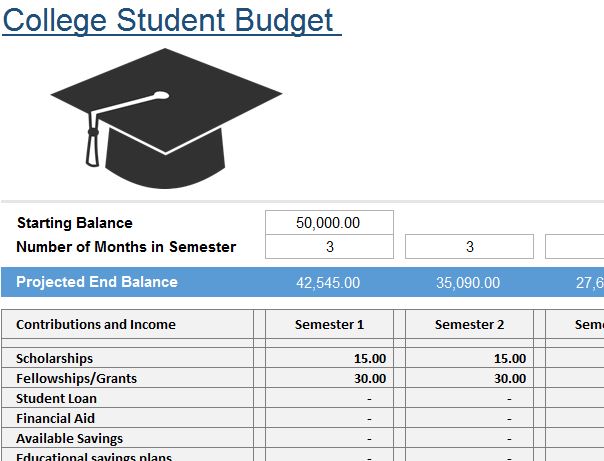 604×461 student budget template template haven from templatehaven.com
  680×870 student budget templates word documents from www.template.net
  1704×2234 sample printable budget planner template word excel from bestlettertemplate.com
  750×857 student budget template collection from lesboucans.com
  440×570 student budget templates sample format from www.template.net
  2458×2176 budgeting practices students learn collegexpress from www.collegexpress.com
  1283×1658 sample student budget worksheet db excelcom from db-excel.com
  585×689 student budget worksheet excel excel templates from exceltemplate77.blogspot.com
  765×704 university student budget template collection from lesboucans.com
  600×730 budget planner templates printable word excel formats from www.sampleformats.org


Budgeting Plan Template For Students :
Budgeting Plan Template For Students was posted in June 2, 2025 at 2:02 pm. If you wanna have it as yours, please click the Pictures and you will go to click right mouse then Save Image As and Click Save and download the Budgeting Plan Template For Students Picture.. Don’t forget to share this picture with others via Facebook, Twitter, Pinterest or other social medias! we do hope you'll get inspired by SampleTemplates123... Thanks again! If you have any DMCA issues on this post, please contact us!