Project Plan Template For Policy Implementation
Project Plan Template: Policy Implementation
This document provides a comprehensive project plan template to guide the successful implementation of a new policy. It covers key aspects from initial planning to post-implementation review, ensuring a structured and effective process.
1. Project Overview
This section defines the project’s purpose and scope.
- Project Name: [Insert Project Name, e.g., “Implementation of Employee Data Privacy Policy”]
- Project Goal: Clearly state the primary objective. [e.g., “To successfully implement the Employee Data Privacy Policy across all departments, ensuring compliance with relevant regulations and minimizing risks of data breaches.”]
- Project Scope: Define the boundaries of the project. What is included and excluded? [e.g., “This project includes training all employees on the new policy, updating relevant systems and processes, and establishing monitoring mechanisms. It excludes the development of the policy itself.”]
- Project Sponsor: Identify the individual or group responsible for providing overall support and approval. [e.g., “Chief Human Resources Officer”]
- Project Manager: Identify the individual responsible for day-to-day management and execution. [e.g., “[Project Manager Name]”]
2. Policy Summary
Provide a concise summary of the policy being implemented.
- Policy Title: [Insert Full Policy Title]
- Policy Summary: Briefly outline the key provisions and requirements of the policy. [e.g., “The Employee Data Privacy Policy outlines guidelines for the collection, storage, use, and sharing of employee personal data. It emphasizes the importance of data minimization, transparency, and security.”]
- Policy Objectives: State the specific objectives the policy aims to achieve. [e.g., “To protect employee data, comply with GDPR and other relevant regulations, and foster a culture of data privacy within the organization.”]
- Target Audience: Identify who the policy applies to. [e.g., “All employees, contractors, and vendors who handle employee data.”]
3. Stakeholder Analysis
Identify and analyze key stakeholders who will be affected by the policy implementation.
| Stakeholder Group | Impact Level (High/Medium/Low) | Interest Level (High/Medium/Low) | Communication Needs | Concerns/Potential Resistance |
|---|---|---|---|---|
| Employees | High | High | Regular updates, training sessions, FAQs | Increased workload, confusion about requirements |
| Management | Medium | High | Briefings, status reports, resource allocation | Budget constraints, time commitment |
| IT Department | High | High | Technical specifications, implementation plan | System compatibility, security concerns |
| Legal Department | High | High | Policy review, legal compliance updates | Potential legal challenges, compliance risks |
4. Project Deliverables
Define the tangible outputs of the project.
- Training Materials: Development and distribution of training materials for employees.
- Updated Systems and Processes: Modifications to existing systems and processes to align with the policy requirements.
- Communication Plan: A detailed plan for communicating the policy and its implementation to stakeholders.
- Compliance Monitoring Mechanisms: Establishment of systems for monitoring compliance with the policy.
- Policy Documentation: Updated policy documents and related procedures.
5. Project Timeline and Milestones
Establish a realistic timeline with key milestones.
| Task | Start Date | End Date | Duration | Responsible Party | Milestone |
|---|---|---|---|---|---|
| Project Planning and Kick-off | [Date] | [Date] | [Number] days | Project Manager | Project Plan Approved |
| Develop Training Materials | [Date] | [Date] | [Number] days | Training Department | Training Materials Complete |
| Update Systems and Processes | [Date] | [Date] | [Number] days | IT Department | System Updates Complete |
| Conduct Training Sessions | [Date] | [Date] | [Number] days | Training Department | Training Completed |
| Policy Launch and Communication | [Date] | [Date] | [Number] days | Communications Department | Policy Launch Complete |
| Compliance Monitoring Implementation | [Date] | [Date] | [Number] days | Compliance Officer | Monitoring Implemented |
| Post-Implementation Review | [Date] | [Date] | [Number] days | Project Manager | Project Closure |
6. Resource Allocation
Identify the resources required for successful implementation.
- Human Resources: Project Manager, Training Staff, IT Support, Legal Counsel, Communications Staff.
- Financial Resources: Budget for training materials, system updates, communication campaigns, legal consultation (if needed).
- Technological Resources: Software, hardware, and system access needed for policy implementation.
- Other Resources: Meeting rooms, printing facilities, etc.
7. Communication Plan
Outline how information will be communicated to stakeholders.
- Communication Channels: Email, intranet, meetings, newsletters, training sessions.
- Frequency of Communication: Regular updates, progress reports, announcements.
- Target Audience: Specific communication tailored to each stakeholder group.
- Key Messages: Clearly communicate the benefits and requirements of the policy.
8. Risk Management Plan
Identify potential risks and develop mitigation strategies.
| Risk | Likelihood (High/Medium/Low) | Impact (High/Medium/Low) | Mitigation Strategy | Contingency Plan |
|---|---|---|---|---|
| Employee resistance to the policy | Medium | Medium | Comprehensive training, clear communication of benefits. | Address concerns through Q&A sessions, involve employees in policy refinement. |
| System compatibility issues | Low | High | Thorough testing before implementation, phased rollout. | Revert to previous system configuration, consult with IT experts. |
| Budget overruns | Medium | Medium | Detailed budget planning, cost monitoring, prioritize essential activities. | Seek additional funding, reduce scope of non-essential activities. |
| Delays in training delivery | Low | Medium | Flexible training schedule, online training options. | Extend training period, provide alternative learning resources. |
9. Compliance Monitoring and Evaluation
Describe how compliance with the policy will be monitored and evaluated.
- Monitoring Mechanisms: Regular audits, data analysis, employee surveys.
- Reporting Procedures: How compliance data will be reported and to whom.
- Key Performance Indicators (KPIs): Metrics to track compliance and effectiveness. [e.g., Percentage of employees completing training, number of data breaches, employee awareness of the policy.]
- Evaluation Frequency: Regular reviews of compliance data and policy effectiveness.
10. Post-Implementation Review
Outline the process for reviewing the policy implementation and identifying areas for improvement.
- Review Team: Identify the team responsible for conducting the review.
- Review Criteria: Define the criteria for evaluating the success of the implementation.
- Data Collection Methods: Surveys, interviews, data analysis.
- Report Generation: Document findings and recommendations for future policy implementations.
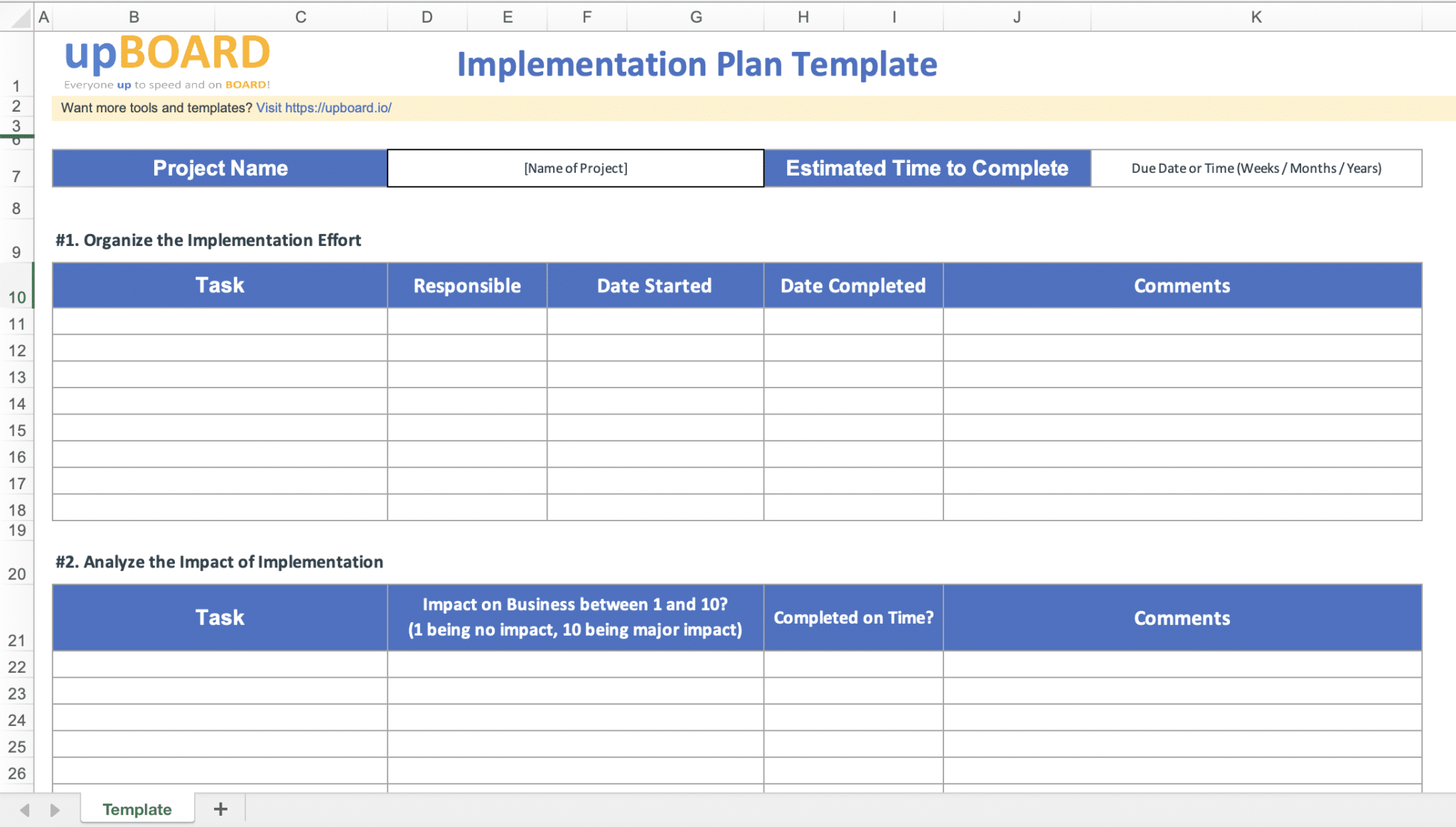 2048×1163 project implementation plan template excel vrogueco from www.vrogue.co
 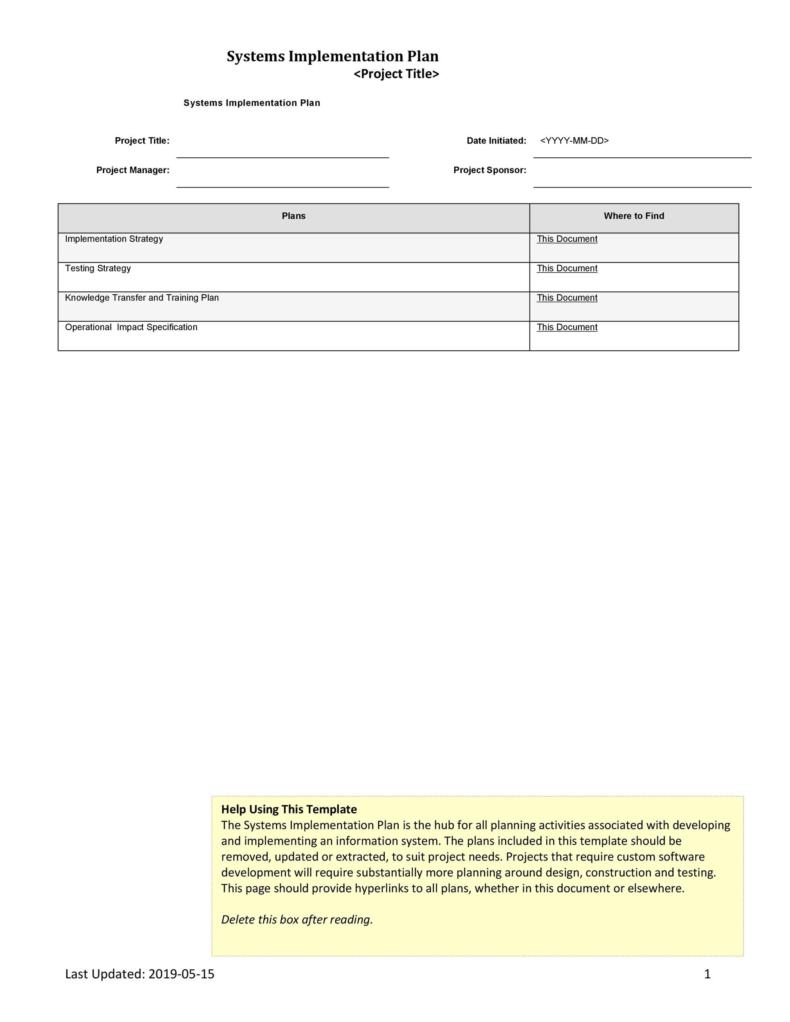 790×1022 step step implementation plan templates templatelab from templatelab.com
  1280×720 policy implementation steps process plan from www.slideteam.net
  1760×1140 project implementation plan template excel google sheets from www.template.net
  696×900 project implementation plan template word formats page from www.dexform.com
  600×730 implementation schedule template from templates.rjuuc.edu.np
  680×886 project implementation plan template word excel documents from www.template.net
  1024×360 project implementation plan template governance docs from www.itgov-docs.com
  1917×899 project implementation plan template sinnaps from www.sinnaps.com
 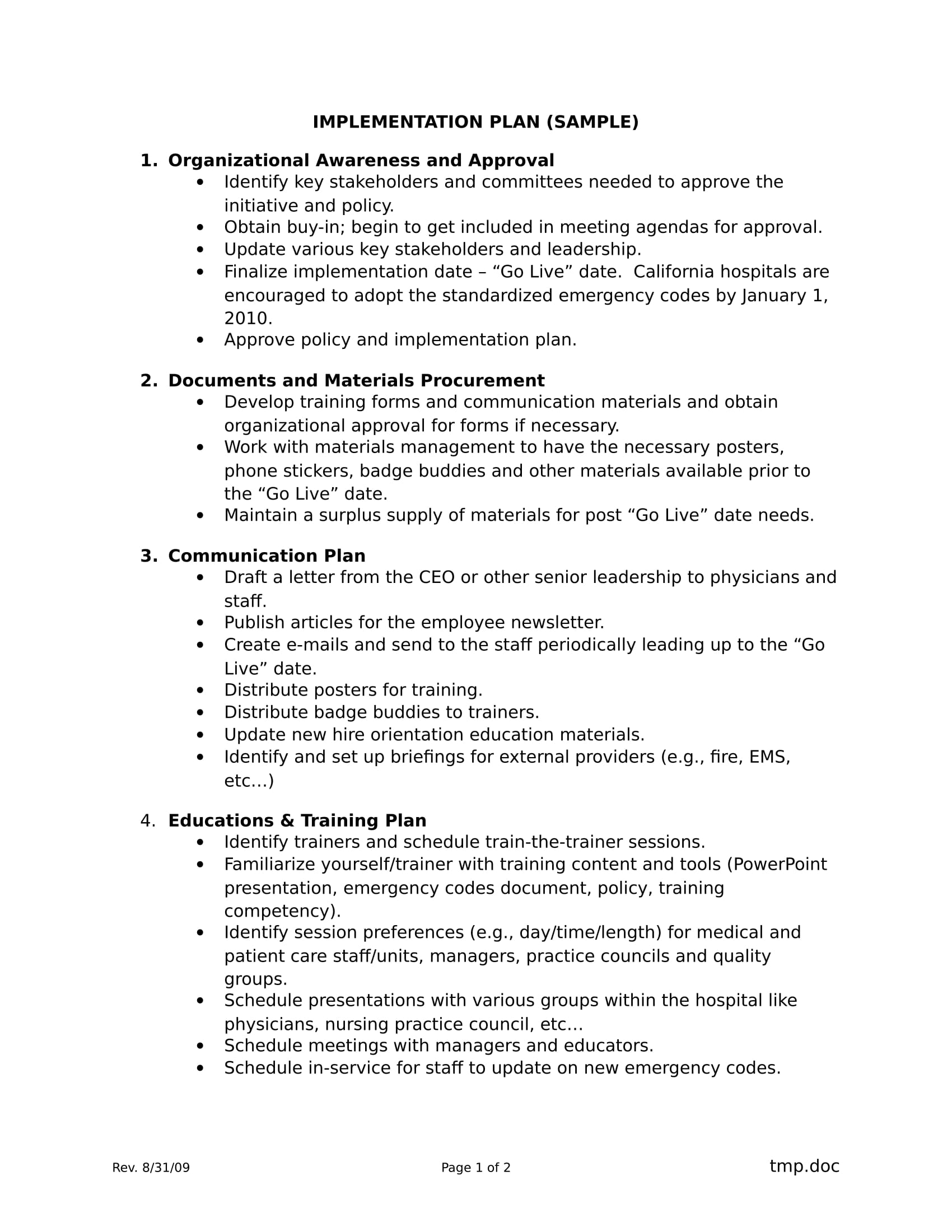 1700×2200 simple implementation plan template word from templates.rjuuc.edu.np
  816×1056 practices create launch implementation plan ease from visme.co
 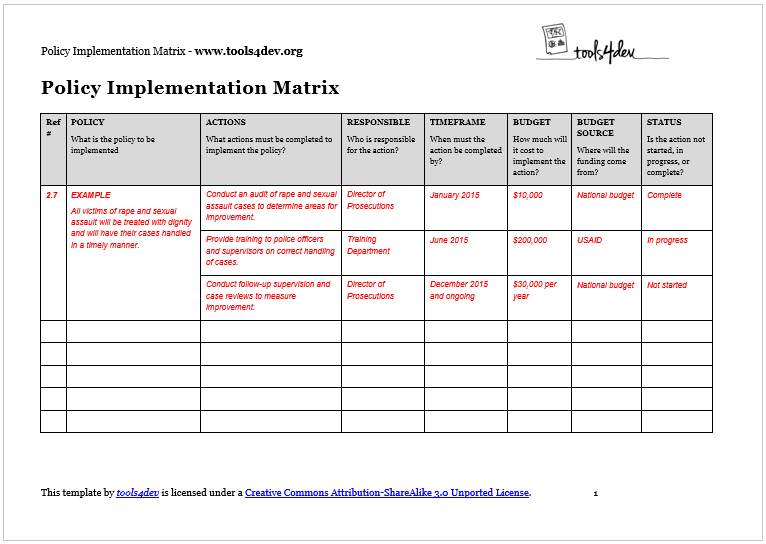 766×544 technical implementation plan template sampletemplatess from www.sampletemplatess.com
 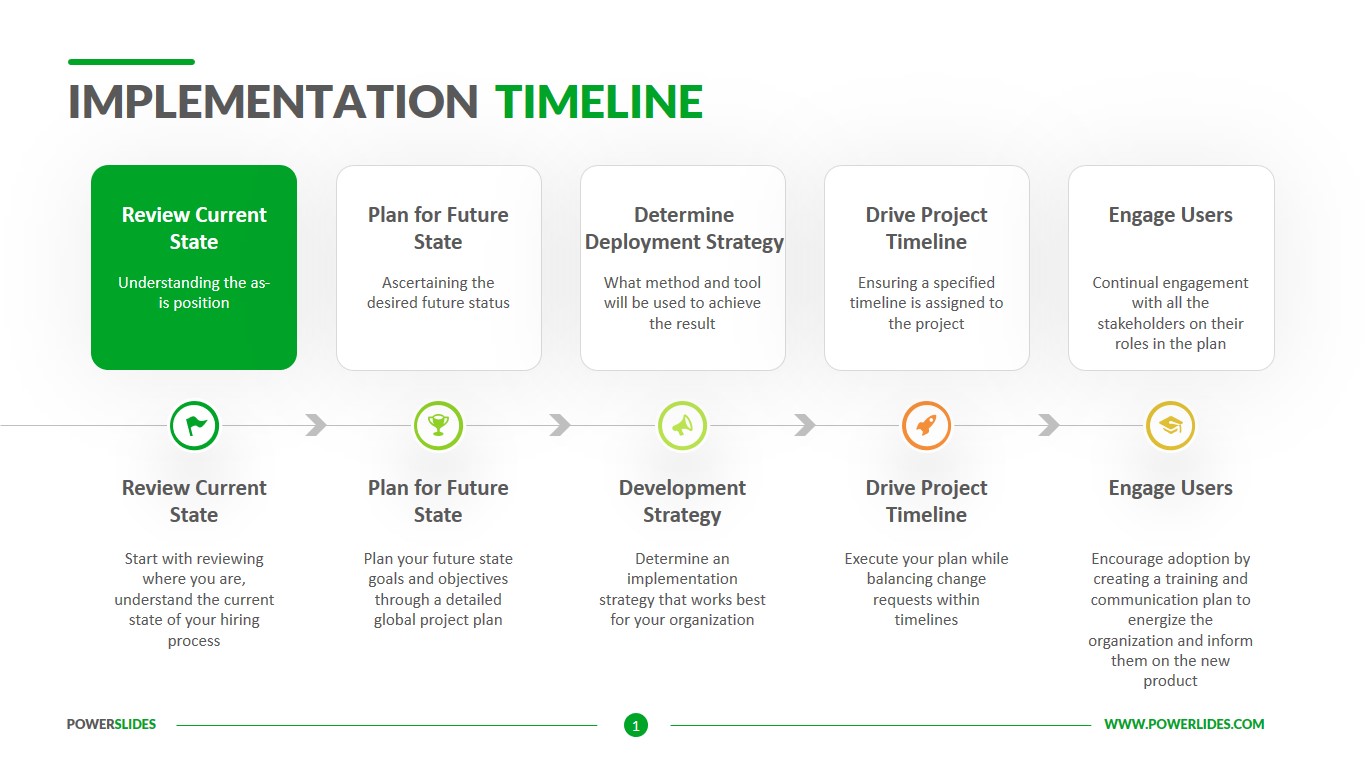 1365×767 implementation plan template powerpoint from old.sermitsiaq.ag
  2500×1767 implementation plan template from old.sermitsiaq.ag
  1200×1699 policy implementation research plan template edit from www.template.net



Project Plan Template For Policy Implementation :
Project Plan Template For Policy Implementation was posted in September 1, 2025 at 3:23 am. If you wanna have it as yours, please click the Pictures and you will go to click right mouse then Save Image As and Click Save and download the Project Plan Template For Policy Implementation Picture.. Don’t forget to share this picture with others via Facebook, Twitter, Pinterest or other social medias! we do hope you'll get inspired by SampleTemplates123... Thanks again! If you have any DMCA issues on this post, please contact us!