Self-employed Budget Spreadsheet
Mastering Your Finances: A Comprehensive Guide to Self-Employed Budget Spreadsheets
Being self-employed offers unparalleled freedom and flexibility, but it also comes with unique financial challenges. Irregular income, unpredictable expenses, and the burden of self-employment taxes can make budgeting a daunting task. Fortunately, a well-designed budget spreadsheet can be your financial compass, guiding you towards stability and success. This guide will walk you through creating and utilizing a robust budget spreadsheet tailored to the specific needs of self-employed individuals.
Why a Spreadsheet? Why Not Just…?
Before diving into the nitty-gritty, let’s address the “why” behind using a spreadsheet. Plenty of budgeting apps and software exist, but a spreadsheet offers distinct advantages:
* Customization: You have complete control over every aspect of the spreadsheet. You can tailor it to your specific income streams, expense categories, and financial goals. Pre-built apps often have limitations that hinder personalization. * Transparency: All calculations are visible and easily verifiable. You can see exactly how your budget is derived, fostering a better understanding of your finances. * Cost-Effective: Spreadsheets are often included with common software packages (like Microsoft Office or Google Workspace), making them free or relatively inexpensive compared to subscription-based budgeting apps. * Offline Access: Many spreadsheet programs allow offline access, ensuring you can manage your budget even without an internet connection. * Data Ownership: You own your data. There are no privacy concerns about a third-party tracking your spending.
Building Your Self-Employed Budget Spreadsheet: A Step-by-Step Guide
Let’s create a practical budget spreadsheet. This example uses Google Sheets, but you can adapt it to any spreadsheet software.
Step 1: Setting Up the Structure
* Create a New Spreadsheet: Open Google Sheets (or your preferred software) and create a new, blank spreadsheet. * Name Your Tabs: Rename the default “Sheet1” tab to something descriptive like “Monthly Budget” or “Income & Expenses”. You might also want separate tabs for “Annual Overview,” “Tax Savings,” and “Goal Tracking.” * Column Headers: In the “Monthly Budget” tab, create the following column headers in the first row: * Date * Description * Category * Expected Income * Actual Income * Expected Expenses * Actual Expenses * Notes
Step 2: Defining Income Categories
The key to effective self-employed budgeting is accurately tracking your income. Consider these income categories, and adapt them to your specific business:
* Client A Payments: If you work with specific clients regularly, dedicate a category to each. * Project-Based Income: For freelance projects, track income per project. * Product Sales: If you sell products, track sales revenue. * Affiliate Income: For income generated through affiliate marketing. * Other Income: For any miscellaneous income streams.
In the “Expected Income” column, enter your projected income for each category based on past performance and current contracts. Be realistic and, if possible, err on the side of caution.
In the “Actual Income” column, record the actual income received for each category. This allows you to compare your projections with reality and adjust your budget accordingly.
Step 3: Defining Expense Categories
Carefully categorize your expenses to identify areas where you can save money. Consider these categories:
* Business Expenses: * Rent/Mortgage (Portion used for business) * Utilities (Portion used for business) * Office Supplies * Software Subscriptions * Marketing & Advertising * Website Hosting & Domain * Travel Expenses * Professional Development * Contractor Fees * Equipment Purchases * Insurance (Business Liability, etc.) * Personal Expenses: * Rent/Mortgage (Personal Portion) * Utilities (Personal Portion) * Groceries * Transportation * Health Insurance * Debt Payments (Credit cards, loans) * Entertainment * Personal Care * Savings & Investments
In the “Expected Expenses” column, enter your projected expenses for each category. Base these projections on historical spending and known upcoming expenses.
In the “Actual Expenses” column, record your actual expenses. Use receipts, bank statements, and credit card statements to track your spending accurately.
Step 4: Tax Savings
A critical aspect of self-employment is managing taxes. Set aside a portion of your income for estimated taxes (federal, state, and self-employment tax). Create a “Tax Savings” tab to track this:
* Estimated Tax Payments: Calculate your estimated tax liability quarterly and track your payments. * Savings Goal: Determine the percentage of your income you need to save for taxes (consult with a tax professional for guidance). * Savings Tracking: Monitor your tax savings to ensure you’re on track to meet your tax obligations.
Use formulas in your “Monthly Budget” tab to allocate a percentage of your income to the “Tax Savings” tab. For example, if you estimate needing to save 30% for taxes, create a row for “Tax Savings Transfer” and use a formula to automatically deduct 30% of your “Actual Income” and add it to the “Tax Savings” tab.
Step 5: Formulas for Automation
Spreadsheets excel at automation. Use formulas to streamline your budgeting process:
* Total Income: In the “Monthly Budget” tab, create a cell to calculate the total expected income and another for the total actual income. Use the `SUM()` function: `=SUM(D2:D10)` (adjust the cell range to match your income categories). * Total Expenses: Similarly, calculate total expected expenses and total actual expenses using the `SUM()` function. * Net Income: Calculate your net income (income minus expenses) by subtracting total expenses from total income: `=TotalIncomeCell – TotalExpensesCell`. * Variance: Calculate the difference between your expected and actual income/expenses. This helps you identify areas where your projections were inaccurate. `=ActualIncomeCell – ExpectedIncomeCell`. Do the same for expenses.
Step 6: Visualizations and Reports
Turn your data into actionable insights with charts and graphs:
* Income Breakdown: Create a pie chart to visualize the distribution of your income sources. * Expense Breakdown: Create a pie chart to visualize the distribution of your expense categories. * Trend Lines: Create line charts to track your income and expenses over time, identifying trends and patterns.
Google Sheets and other spreadsheet software offer built-in charting tools. Select the data you want to visualize, then choose the appropriate chart type.
Step 7: Goal Setting and Tracking
Use your spreadsheet to track your progress towards financial goals:
* Define Your Goals: Clearly define your financial goals (e.g., saving for retirement, paying off debt, buying a home). * Allocate Savings: Allocate a portion of your income to each goal. * Track Progress: Monitor your progress towards each goal over time.
Create a “Goal Tracking” tab to track your progress. Include columns for: Goal, Target Amount, Amount Saved, Percentage Complete.
Step 8: Regular Review and Adjustment
Your budget is not a static document. It should be reviewed and adjusted regularly (at least monthly) to reflect changes in your income, expenses, and financial goals.
* Compare Actual vs. Expected: Analyze the differences between your expected and actual income/expenses. * Identify Areas for Improvement: Identify areas where you can reduce expenses or increase income. * Adjust Your Budget: Make necessary adjustments to your budget to reflect your current financial situation. * Update Your Goals: Re-evaluate your financial goals and make adjustments as needed.
Tips for Self-Employed Budgeting Success
* Track Everything: Meticulous tracking is crucial. Use tools like receipt scanners or expense tracking apps to ensure you capture all income and expenses. * Be Realistic: Avoid overly optimistic income projections. Err on the side of caution. * Automate Where Possible: Set up automatic transfers to your tax savings account and other savings goals. * Separate Business and Personal Finances: Keep your business and personal finances separate to simplify tracking and tax preparation. * Consult with Professionals: Don’t hesitate to seek guidance from a financial advisor or tax professional. * Emergency Fund: Build an emergency fund to cover unexpected expenses and income fluctuations. Aim for 3-6 months of living expenses. * Pay Yourself First: Treat yourself as a client and allocate a portion of your income to your own savings and investments. * Be Patient: Building a solid financial foundation takes time and effort. Don’t get discouraged if you encounter setbacks. Stay consistent with your budgeting and financial planning.
Conclusion
A well-structured self-employed budget spreadsheet is an invaluable tool for managing your finances and achieving your financial goals. By carefully tracking your income and expenses, planning for taxes, and regularly reviewing your budget, you can gain control over your finances and build a more secure and prosperous future for your self-employed business.
 1465×824 employed excel spreadsheet bookkeeping employed from db-excel.com
  1589×903 expenses employed spreadsheet monthly yearly budget from db-excel.com
  1024×1024 employed accounts spreadsheet employed bookkeeping from db-excel.com
  1024×791 employed tax spreadsheet employed expense sheet tax from db-excel.com
  1084×814 employed expenses spreadsheet profit loss statement from db-excel.com
  768×593 employed tax spreadsheet pertaining employed expense sheet from db-excel.com
  1280×768 employed record keeping spreadsheet employed bookkeeping from db-excel.com
  804×970 employed expenses spreadsheet employed bookkeeping from db-excel.com
  791×1024 expenses employed spreadsheet employed from db-excel.com
  474×362 employed accounts spreadsheet employed from db-excel.com
  474×780 employed tax spreadsheet employed expense sheet from db-excel.com
  768×994 employed tax spreadsheet employed expense sheet sample from db-excel.com
  768×429 employed expenses spreadsheet db excelcom from db-excel.com
  768×593 employed expense spreadsheet db excelcom from db-excel.com
  1308×1012 employed record keeping spreadsheet db excelcom from db-excel.com
  933×1024 simple spreadsheet employed db excelcom from db-excel.com
  1024×791 employed accounts spreadsheet spreadsheet downloa employed from db-excel.com
  1294×786 employed excel spreadsheet template db excelcom from db-excel.com
  915×1024 employed expense spreadsheet spreadsheet employed from db-excel.com
  768×992 employed expenses spreadsheet template db excelcom from db-excel.com
  1024×785 expenses employed spreadsheet db excelcom from db-excel.com
  601×777 employed spreadsheet templates db excelcom from db-excel.com
  1920×1200 employed expenses spreadsheet personal budgeting from db-excel.com
  1600×1236 employed expenses spreadsheet spreadsheet downloa from db-excel.com
 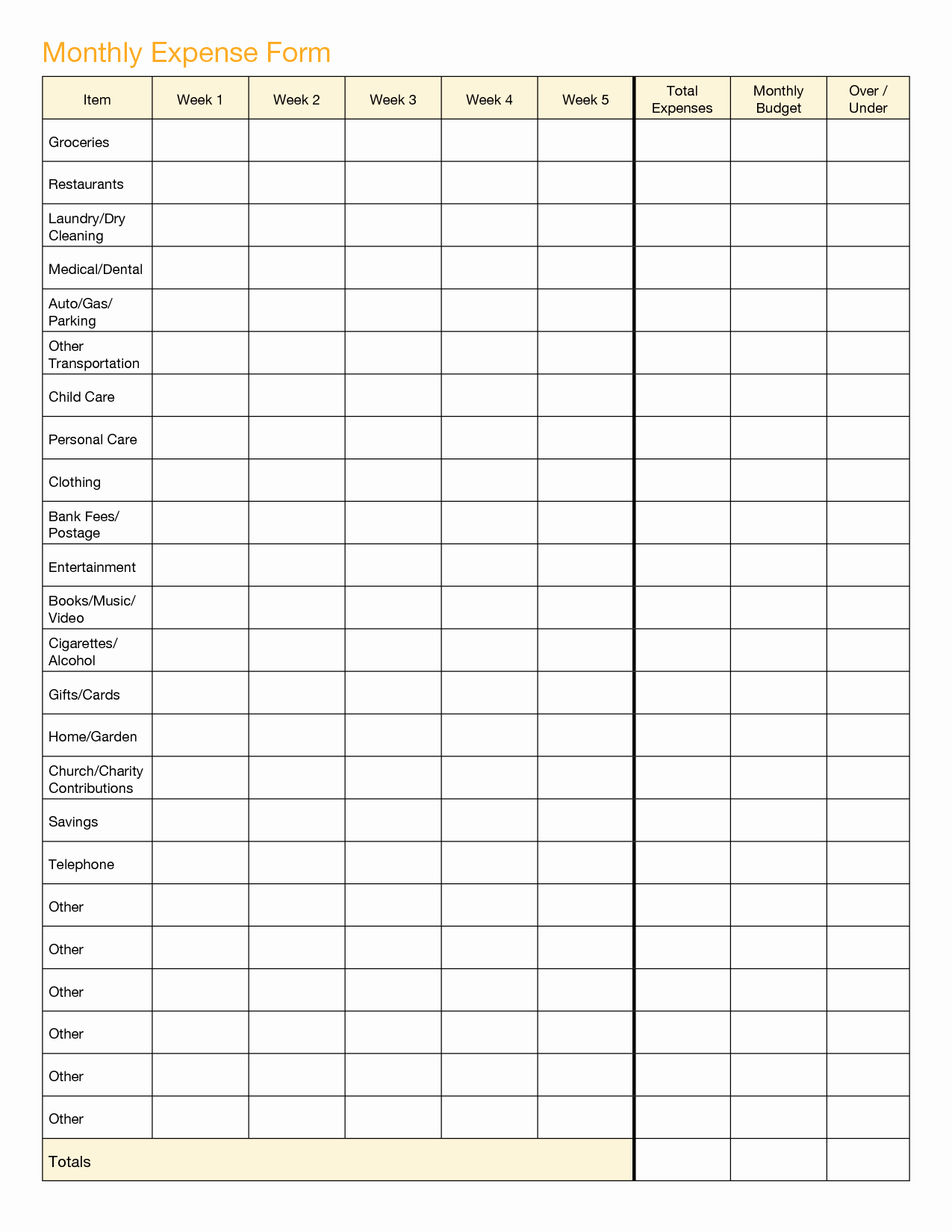 1275×1650 employed spreadsheet templates beautiful business expense intended from db-excel.com


Self-employed Budget Spreadsheet :
Self-employed Budget Spreadsheet was posted in December 5, 2025 at 6:14 pm. If you wanna have it as yours, please click the Pictures and you will go to click right mouse then Save Image As and Click Save and download the Self-employed Budget Spreadsheet Picture.. Don’t forget to share this picture with others via Facebook, Twitter, Pinterest or other social medias! we do hope you'll get inspired by SampleTemplates123... Thanks again! If you have any DMCA issues on this post, please contact us!
Related For Self-employed Budget Spreadsheet

Business Start Up Budget Template
Business Start Up Budget Template Generic Sale Invoice PdfLeadership