Kids Clothing Budget Planner
Creating a Kid’s Clothing Budget That Works
Raising children is expensive, and clothing them is a significant part of that expense. From rapidly outgrown baby clothes to the ever-changing trends for teenagers, keeping kids adequately dressed can feel like a never-ending financial drain. Creating and sticking to a budget is crucial for managing these costs and ensuring you’re not overspending on apparel.
Why Budgeting for Kids’ Clothing is Essential
Budgeting provides numerous benefits: * Financial Control: Knowing where your money goes empowers you to make informed decisions and avoid debt. * Prioritization: A budget forces you to evaluate needs versus wants, focusing on essential items before indulging in extras. * Savings: Effective budgeting frees up funds for other important expenses like education, healthcare, or family vacations. * Reduced Stress: Eliminating the guesswork about clothing expenses reduces financial anxiety. * Teaching Financial Responsibility: Involving older children in the budgeting process teaches them valuable life skills.
Step-by-Step Guide to Building Your Kid’s Clothing Budget
- Assess Current Clothing Inventory:
- The Closet Cleanout: Start by thoroughly reviewing each child’s closet and dresser. Donate or sell items that are too small, damaged beyond repair, or no longer wanted.
- Inventory List: Create a list of what your child currently owns – shirts, pants, dresses, outerwear, shoes, etc. Note the quantity and condition of each item. This will help you identify gaps in their wardrobe.
- Seasonal Considerations: Consider the upcoming seasons. Does your child have adequate clothing for summer, winter, or transitional weather?
- Determine Your Budget Amount:
- Track Past Spending: Review bank statements, credit card bills, or receipts from the past year to get an idea of how much you’ve previously spent on clothing. This provides a baseline.
- Factor in Growth: Consider your child’s growth rate. Younger children typically outgrow clothes faster than older ones.
- Set Realistic Limits: Based on your income and other financial obligations, determine a reasonable monthly or annual budget for each child’s clothing. Be realistic and avoid setting an unrealistically low budget, as this can lead to frustration and impulsive spending.
- Separate Needs and Wants: Allocate funds for essential items (school uniforms, durable everyday wear) separately from discretionary purchases (trendy items, special occasion outfits).
- Create a Clothing Wish List:
- Collaborate with Your Child: If your child is old enough, involve them in creating a wish list. This allows them to express their style preferences while staying within the budget.
- Prioritize Items: Rank items on the wish list based on necessity and importance. Focus on replacing worn-out essentials first.
- Consider Uniform Requirements: If your child attends a school with a uniform policy, allocate a significant portion of the budget to uniform-compliant items.
- Shop Strategically:
- Shop Sales and Clearance Racks: Take advantage of seasonal sales, back-to-school promotions, and clearance racks to find discounted clothing.
- Use Coupons and Promo Codes: Search online for coupons and promo codes before making any purchases.
- Shop Secondhand: Consider buying gently used clothing from consignment shops, thrift stores, or online marketplaces. Kids’ clothing often has plenty of life left, and you can save a significant amount of money.
- Buy Off-Season: Purchase items like winter coats or swimwear at the end of the season when they are heavily discounted for the following year.
- Compare Prices: Don’t settle for the first item you see. Compare prices at different stores or online retailers to ensure you’re getting the best deal.
- Consider Quality and Durability: Opt for durable, well-made clothing that will withstand frequent wear and washing. While cheaper items may seem appealing initially, they often wear out quickly and need to be replaced more often, ultimately costing more in the long run.
- Shop Online Carefully: When shopping online, carefully review size charts and read customer reviews before making a purchase. Factor in shipping costs when comparing prices.
- Avoid Impulse Buys: Stick to your shopping list and avoid making impulsive purchases that weren’t part of your budget.
- Track Your Spending:
- Record All Purchases: Keep track of all clothing purchases, either using a spreadsheet, a budgeting app, or a simple notebook.
- Compare Spending to Budget: Regularly compare your actual spending to your budgeted amount to ensure you’re staying on track.
- Adjust as Needed: If you consistently overspend in certain areas, adjust your budget accordingly. You may need to reallocate funds from less important categories.
- Consider Clothing Swaps and Hand-Me-Downs:
- Organize Clothing Swaps: Participate in clothing swaps with friends, family members, or neighbors who have children of similar ages. This is a great way to get free clothing and declutter your home.
- Accept Hand-Me-Downs: Graciously accept hand-me-downs from friends or relatives. These can significantly reduce your clothing expenses.
- Extend the Life of Clothing:
- Proper Care: Follow care instructions carefully to prolong the life of your child’s clothing.
- Repair Clothing: Learn basic sewing skills to repair minor tears or ripped seams.
- Stain Removal: Treat stains promptly to prevent them from becoming permanent.
- Alterations: Consider altering clothing to make it fit better or last longer.
- Review and Revise Regularly:
- Periodic Review: Review your clothing budget at least once a year, or more frequently if your financial circumstances change.
- Adjust for Growth: As your child grows, you may need to adjust the budget amount to accommodate their changing clothing needs.
- Evaluate Spending Habits: Assess your spending habits and identify areas where you can save money.
Tips for Saving Money on Specific Clothing Items
- Shoes: Invest in a few pairs of high-quality, durable shoes that can withstand active play. Avoid buying too many trendy or impractical shoes that won’t last long.
- Outerwear: Shop for outerwear on clearance at the end of the season. Consider buying a slightly larger size so your child can wear it for multiple seasons.
- School Uniforms: Check if your school has a uniform exchange program. Look for sales on uniform-compliant items at discount retailers.
- Special Occasion Outfits: Borrow or rent special occasion outfits instead of buying them. Consider classic styles that can be worn for multiple events.
Conclusion
Creating and sticking to a kid’s clothing budget requires planning, discipline, and a willingness to shop strategically. By following these steps and tips, you can effectively manage your clothing expenses and ensure your children are well-dressed without breaking the bank. Remember to involve your children in the process to teach them valuable financial literacy skills that will benefit them throughout their lives. With careful planning and mindful spending, you can confidently navigate the ever-evolving world of children’s fashion without compromising your financial well-being.
 1066×1600 clothing stores shop kids budget kids from www.pinterest.com
  794×1059 kids budget planner kids budget worksheet kids money etsy from www.etsy.com
  736×1104 kids printable budget planner kids money kids money management from www.pinterest.ca
  1200×450 budget kids clothes daraz life from blog.daraz.com.bd
  1140×846 kids budget planner letter etsy from www.etsy.com
  700×522 tips shopping kids clothing budget stores buy kids clothes from www.blufashion.com
  571×800 tips dressing babies toddlers budget mommity from mommity.com
  400×400 developing clothing budget template from clothinglinemavericks.com
 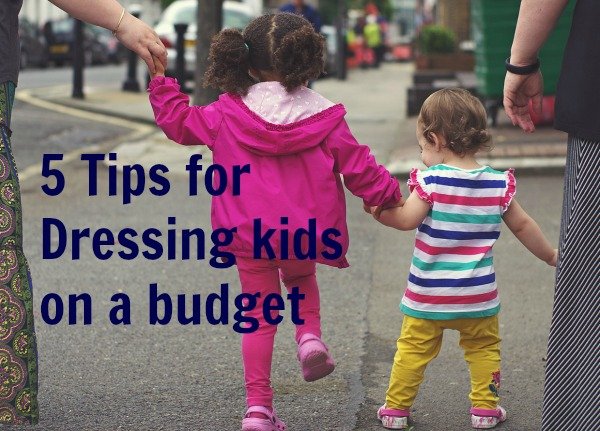 600×431 tips dressing kids budget write budget from writebudget.com
  1140×1140 printable budgeting planner budget planner kids printable budget from www.etsy.com
  300×300 printable budgeting planner budget planner kids printable from www.etsy.com
  1500×1000 economise kids clothing travelling budget from maaofallblogs.com
  500×715 clothing budget from chestofbooks.com
  460×700 tips buying kids clothes budget real advice gal from realadvicegal.com
  455×700 dress kids tight budget graceful honey bee from www.gracefullittlehoneybee.com
  2048×1367 budget friendly kids clothes girl curves from girlwithcurves.com
  940×799 clothing budget november mama heels from www.mamainheels.com
  1155×924 cheap kid clothes dress kids small budget life from lifeandabudget.com
  2048×1365 update kids wardrobe budget kate waterhouse from katewaterhouse.com
  500×750 real organized kids clothes shopping from www.realcoake.com
  735×1102 build kids wardrobe budget from www.pinterest.ca
  800×420 budget clothing charge money from takechargeofyourmoney.blog
  300×294 tips parents shop kids clothes budget cleverly from cleverlychanging.com
  620×800 clothing personal budget from svalisscordon.weebly.com
 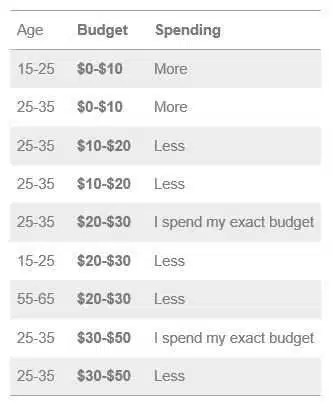 333×407 clothing budget calculate easy from nowthaticando.com


Kids Clothing Budget Planner :
Kids Clothing Budget Planner was posted in August 17, 2025 at 1:28 pm. If you wanna have it as yours, please click the Pictures and you will go to click right mouse then Save Image As and Click Save and download the Kids Clothing Budget Planner Picture.. Don’t forget to share this picture with others via Facebook, Twitter, Pinterest or other social medias! we do hope you'll get inspired by SampleTemplates123... Thanks again! If you have any DMCA issues on this post, please contact us!
Related For Kids Clothing Budget Planner

Sample Yearly Personal Budget Sprea
Sample Yearly Personal Budget Spreadsheet Online Scrapbook TemplatesWeb &
Example Wedding Budget Template
Example Wedding Budget Template Creative Brainstorm Agenda FormatBasic CoverPersonal Finance TikTok Budget Temp
Personal Finance TikTok Budget Templates: Your Guide to Viral