Rental Budget Worksheet For Tenants
Rental Budget Worksheet for Tenants: Taking Control of Your Finances
Finding the perfect rental property is exciting, but it’s crucial to ensure that your dream home fits comfortably within your budget. A rental budget worksheet is an essential tool for prospective tenants, offering a clear picture of their financial situation and helping them avoid overextending themselves.
Why Use a Rental Budget Worksheet?
Many people underestimate the total cost of renting. Rent is just the tip of the iceberg. A comprehensive budget worksheet accounts for all associated expenses, preventing financial strain and promoting responsible budgeting. Here’s why it’s beneficial:
- Financial Awareness: It provides a realistic view of your income and expenses, highlighting areas where you can save or adjust your spending habits.
- Preventing Overspending: By understanding your financial limits, you can avoid renting a property that’s beyond your means, leading to debt and stress.
- Informed Decision-Making: It empowers you to compare different rental options and make informed choices based on your financial capabilities.
- Negotiating Power: A solid understanding of your finances allows you to negotiate more effectively with landlords, potentially securing better terms or identifying cost-saving opportunities.
- Peace of Mind: Knowing you can comfortably afford your rent and related expenses reduces financial anxiety and promotes a more enjoyable living experience.
Creating Your Rental Budget Worksheet: A Step-by-Step Guide
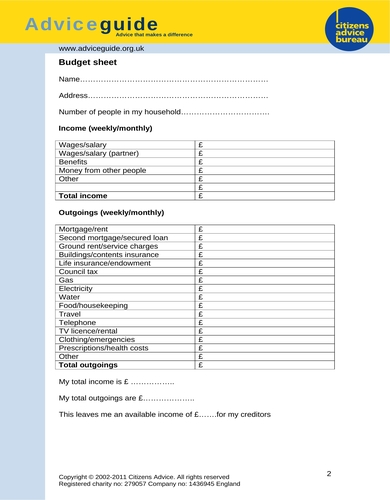
A well-structured rental budget worksheet should include the following sections:
1. Income: Knowing Your Financial Resources
This section focuses on identifying all sources of income. Be realistic and conservative in your estimates, especially if your income fluctuates.
- Net Monthly Income (After Taxes): This is your take-home pay after deductions. Use your pay stubs or bank statements to calculate this accurately.
- Other Income Sources: Include any other regular income, such as alimony, child support, investment income, freelance work, or government assistance.
- Total Monthly Income: Add up all your income sources to determine your total available funds each month.
2. Housing Expenses: Beyond the Rent
This section covers all costs associated with housing, going beyond just the monthly rent payment.
- Rent: Your anticipated monthly rent payment.
- Security Deposit: Typically equal to one or two months’ rent, this is a one-time upfront cost.
- Application Fees: The fees charged to process your rental application. Research these costs beforehand, as they can vary.
- First and Last Month’s Rent: Some landlords require upfront payment of the first and last month’s rent.
- Renters Insurance: Protects your belongings in case of theft, fire, or other covered events. This is often a requirement of the lease.
- Utilities:
- Electricity: Estimate based on the size of the property and your usage habits.
- Gas: For heating, cooking, and hot water.
- Water/Sewer/Trash: Some landlords include these in the rent; otherwise, budget for them separately.
- Internet/Cable: Your internet and cable TV costs.
- Parking: If parking is not included, factor in monthly parking fees.
- HOA Fees (If Applicable): For some rentals, particularly condos, you may be responsible for HOA fees.
- Moving Expenses: Costs associated with moving your belongings, such as truck rentals, packing supplies, and professional movers.
- Furnishing/Decorating: If you need to purchase furniture or decorate, allocate funds for these expenses.
- Total Housing Expenses: Add up all the costs in this section to calculate your total monthly housing expenses.
3. Fixed Expenses: Predictable Monthly Obligations
Fixed expenses are those that remain relatively consistent each month.
- Car Payment/Lease Payment: Your monthly car payment.
- Car Insurance: Your monthly car insurance premium.
- Student Loans: Your monthly student loan payments.
- Credit Card Payments (Minimum): The minimum amount due on your credit cards.
- Personal Loans: Your monthly personal loan payments.
- Insurance (Life, Health, etc.): Monthly premiums for other insurance policies.
- Phone Bill: Your monthly cell phone bill.
- Subscriptions (Streaming Services, Gym Memberships, etc.): Recurring subscription costs.
- Childcare: Monthly childcare expenses.
- Total Fixed Expenses: Add up all the costs in this section.
4. Variable Expenses: Spending That Fluctuates
Variable expenses are those that change from month to month. Tracking these expenses can help you identify areas where you can save.
- Groceries: The amount you spend on food each month.
- Dining Out: Expenses for restaurants, cafes, and takeout.
- Transportation (Gas, Public Transit, etc.): Costs associated with getting around.
- Entertainment: Spending on movies, concerts, and other leisure activities.
- Clothing: Money spent on clothes and shoes.
- Personal Care: Haircuts, toiletries, and other personal care items.
- Medical Expenses (Out-of-Pocket): Costs not covered by insurance.
- Gifts: Money spent on gifts for birthdays, holidays, and other occasions.
- Pet Care: Expenses for pet food, vet visits, and other pet-related items.
- Total Variable Expenses: Add up all the costs in this section.
5. Savings and Debt Repayment: Investing in Your Future
This section allocates funds for savings and debt repayment beyond minimum payments.
- Emergency Fund: Set aside money for unexpected expenses. Aim for at least 3-6 months’ worth of living expenses.
- Retirement Savings: Contribute to a retirement account, such as a 401(k) or IRA.
- Debt Repayment (Beyond Minimums): Allocate extra funds to pay down high-interest debt faster.
- Other Savings Goals: Save for specific goals, such as a down payment on a house, a vacation, or education.
- Total Savings and Debt Repayment: Add up all the costs in this section.
6. Total Expenses and Remaining Balance: The Bottom Line
This final section calculates your total monthly expenses and determines your remaining balance.
- Total Expenses: Add up your Total Housing Expenses, Total Fixed Expenses, Total Variable Expenses, and Total Savings and Debt Repayment.
- Remaining Balance: Subtract your Total Expenses from your Total Monthly Income. This indicates how much money you have left over each month. A positive balance is ideal, while a negative balance indicates you’re spending more than you earn.
Tips for Using Your Rental Budget Worksheet Effectively
- Be Realistic: Don’t underestimate your expenses or overestimate your income. Err on the side of caution.
- Track Your Spending: Use a budgeting app, spreadsheet, or notebook to track your actual spending habits. This will help you identify areas where you can adjust your budget.
- Review and Adjust Regularly: Your financial situation may change over time. Review and adjust your budget worksheet at least once a month to ensure it remains accurate and relevant.
- Prioritize Needs Over Wants: Focus on covering essential expenses before indulging in non-essential items.
- Consider “The 30% Rule”: A common guideline suggests that your rent should not exceed 30% of your gross monthly income (before taxes). While this is a helpful starting point, it’s essential to consider all your other expenses and debt obligations.
- Negotiate When Possible: Don’t be afraid to negotiate the rent or other terms of the lease. Landlords may be willing to offer concessions to secure a good tenant.
- Build an Emergency Fund: Having an emergency fund can provide a financial cushion in case of unexpected expenses, such as job loss or medical bills.
Sample Rental Budget Worksheet Template
Here’s a simplified example of a rental budget worksheet:
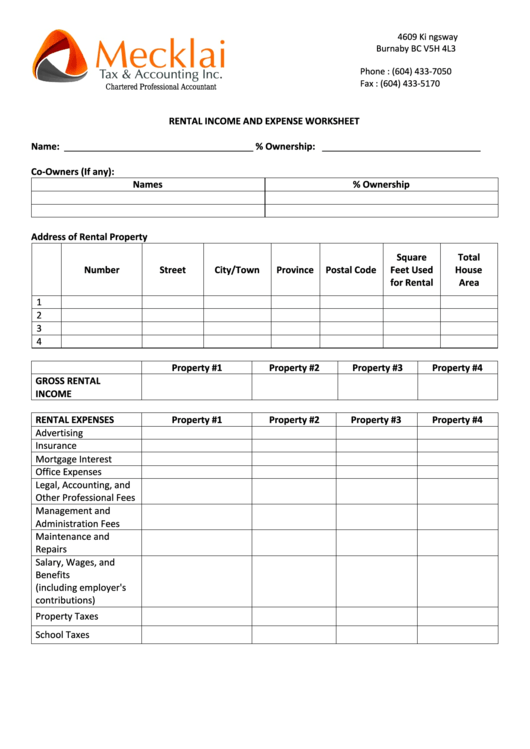
| Category | Amount |
|---|---|
| Income | |
| Net Monthly Income | $3,000 |
| Other Income | $0 |
| Total Income | $3,000 |
| Housing Expenses | |
| Rent | $900 |
| Renters Insurance | $20 |
| Utilities | $150 |
| Internet/Cable | $80 |
| Parking | $0 |
| Total Housing Expenses | $1,150 |
| Other Expenses | |
| Food | $300 |
| Transportation | $200 |
| Entertainment | $100 |
| Debts | $300 |
| Other | $100 |
| Total Other Expenses | $1000 |
| Total Expenses | $2150 |
| Remaining Balance | $850 |
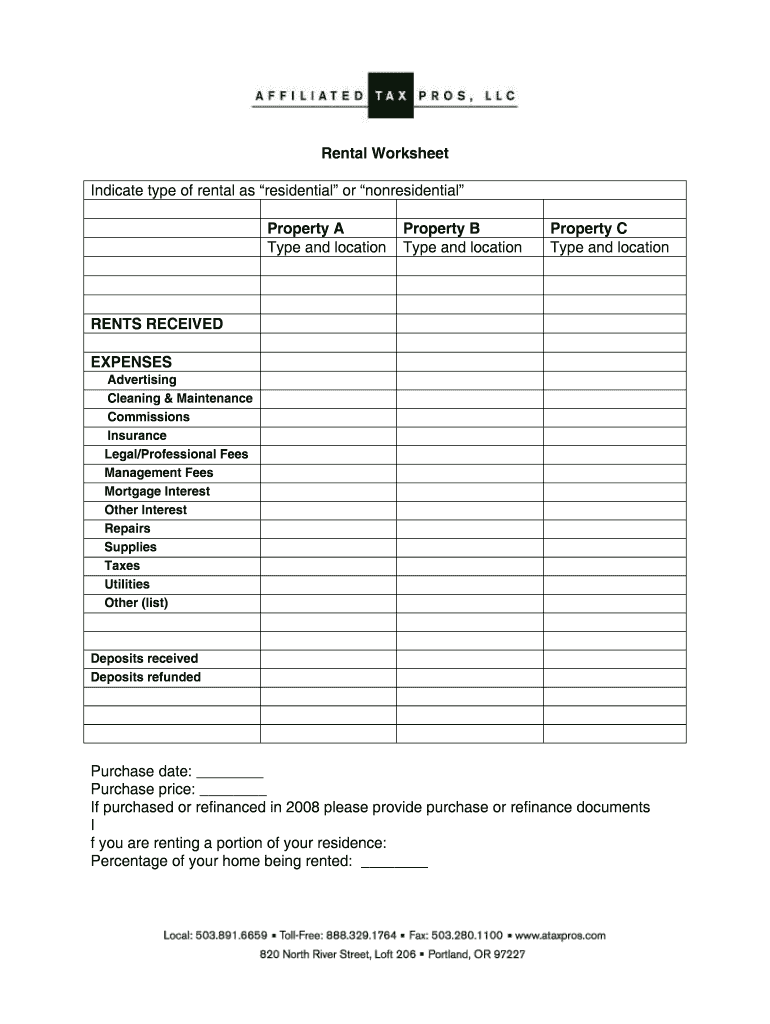
This is just a basic example. Customize your worksheet to reflect your specific income and expenses. Many free rental budget worksheet templates are available online that you can download and adapt.
Conclusion
A rental budget worksheet is a powerful tool that can help you make informed financial decisions and avoid overextending yourself when renting a property. By taking the time to create and regularly review your budget, you can ensure that your housing costs fit comfortably within your overall financial plan, leading to greater peace of mind and financial stability.
 390×505 rental property worksheet templates worksheets library from worksheets.clipart-library.com
  1364×873 rental income expense worksheet db excelcom from db-excel.com
  530×749 enact rental income worksheet printable word searches from davida.davivienda.com
  768×448 rental property budget spreadsheet rental property monthly from db-excel.com
  770×1024 rental income expense worksheet fill sign from www.dochub.com
  1196×295 rental property expense worksheet from lessonmagicclouting.z21.web.core.windows.net
  768×926 printable rental income expense worksheet from templates.esad.edu.br
  800×1029 rent calculation worksheet instructions details printfriendly from www.printfriendly.com
  0 x 0 rental property spreadsheet rental property bookkeeping landlord from www.etsy.com
  1307×1682 rental property budget spreadsheet radian income worksheet archives from db-excel.com
  720×1040 real estate weekly rental budget sheet excel spreadsheet worksheet from www.slideteam.net
  720×1040 real estate yearly rental budget sheet excel spreadsheet worksheet from www.slideteam.net
  768×990 rental property budget spreadsheet intended rental property income from db-excel.com
  474×613 public housing rent calculation worksheet db excelcom from db-excel.com
  1920×807 rental property expenses form fill printable forms from worksheets.clipart-library.com
  686×970 rental property budget spreadsheet budgeting template from db-excel.com
  390×505 rental property worksheet templates from www.template.net
  1255×970 rental property budget spreadsheet excel weekly budget spreadsheet from db-excel.com
  601×772 rental property budget spreadsheet google spreadshee rental property from db-excel.com
  1364×1800 budgeting rent steve brown apartments from stevebrownapts.com
  1380×850 rental property spreadsheet rental spreadsheet from worksheets.clipart-library.com
  770×1024 fillable rental worksheet fax email print pdffiller from www.pdffiller.com
  791×1024 rental property budget spreadsheet db excelcom from db-excel.com
  390×500 rental budget examples from www.examples.com
  686×970 household budgetorksheet rental property spreadsheet from db-excel.com
  252×300 rental income expense worksheet fact professional from factprofessional.com
 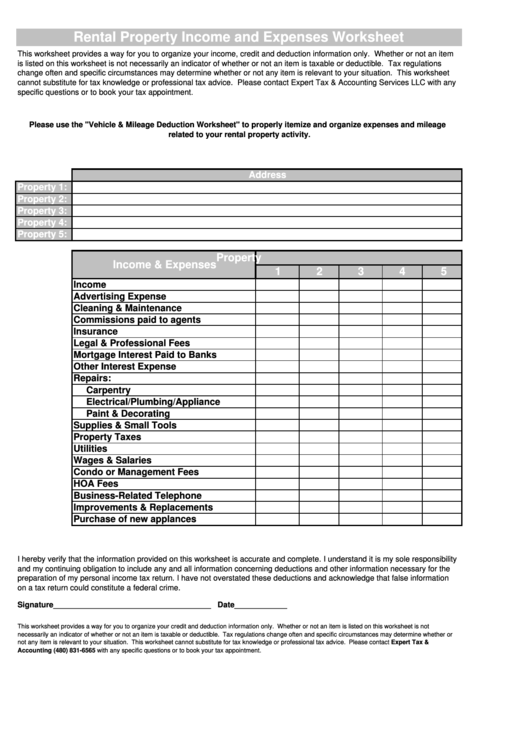 530×749 printable rental income expense worksheet printable templates from printable.esad.edu.br
  1129×839 printable rent spreadsheet template excel tenant rental property from dremelmicro.com



Rental Budget Worksheet For Tenants :
Rental Budget Worksheet For Tenants was posted in January 15, 2026 at 7:54 pm. If you wanna have it as yours, please click the Pictures and you will go to click right mouse then Save Image As and Click Save and download the Rental Budget Worksheet For Tenants Picture.. Don’t forget to share this picture with others via Facebook, Twitter, Pinterest or other social medias! we do hope you'll get inspired by SampleTemplates123... Thanks again! If you have any DMCA issues on this post, please contact us!
Related For Rental Budget Worksheet For Tenants

Sample Wedding Budget Template Down
Sample Wedding Budget Template Download excel 2007 open office