Goal Alignment Agenda Form
Goal alignment is the cornerstone of a successful team and organization. When everyone is rowing in the same direction, productivity soars, innovation flourishes, and individual contributions meaningfully contribute to the larger strategic objectives. To achieve this harmonious state, a structured and deliberate process is essential, and at the heart of that process often lies the Goal Alignment Agenda Form.
What is a Goal Alignment Agenda Form?
The Goal Alignment Agenda Form serves as a pre-meeting document outlining the key topics, objectives, and desired outcomes for a goal alignment session. It’s more than just a meeting invite; it’s a roadmap designed to guide participants toward a common understanding of goals and how their individual efforts contribute to achieving them. A well-crafted form ensures that the meeting is productive, focused, and ultimately leads to actionable steps.
Key Components of a Goal Alignment Agenda Form:
- Meeting Title and Purpose: Clearly state the title of the meeting (e.g., “Q3 Goal Alignment Meeting – Marketing Department”) and articulate the overarching purpose. This sets the context and immediately informs participants of the meeting’s intent. The purpose should be concise and action-oriented, such as “To align individual and team goals with the overall company objectives for Q3 and identify key performance indicators (KPIs).”
- Date, Time, and Location: Basic but crucial information. Clearly specify the date, time (including start and end times), and location (physical or virtual meeting link) to ensure everyone knows when and where to participate.
- Attendees: List all required and optional attendees. This helps participants understand who else will be involved and encourages them to consider different perspectives. Designate a facilitator or meeting leader to guide the discussion and ensure it stays on track.
- Agenda Items: This is the core of the form. Each agenda item should represent a specific topic related to goal alignment. For each item, include:
- Topic Description: A brief explanation of the topic to be discussed. For example, “Review of company-wide strategic goals for Q3.”
- Objectives: What should be achieved during the discussion of this topic? For example, “Ensure all attendees understand the company’s strategic goals for Q3.”
- Discussion Points/Questions: Specific questions or prompts to guide the conversation and ensure key aspects are addressed. For example, “What are the key priorities for Q3?”, “How do these goals align with our long-term vision?”, “What potential challenges do we foresee?”.
- Time Allocation: Assign an estimated time for each agenda item. This helps manage the meeting effectively and prevents discussions from running over time.
- Presenter/Responsible Person: Indicate who will lead the discussion for each topic. This ensures accountability and preparation.
- Pre-Reading Material: Include links or attachments to any relevant documents, reports, or presentations that attendees should review before the meeting. This allows participants to come prepared and engage in more meaningful discussions. Examples include company strategy documents, previous quarter performance reports, and industry analyses.
- Desired Outcomes: Clearly state the expected outcomes of the meeting. What specific actions or decisions should be made by the end of the session? This provides a clear target and helps participants focus on achieving tangible results. Examples include “Agreed-upon individual and team goals for Q3,” “Defined KPIs for measuring progress,” and “Identification of potential roadblocks and mitigation strategies.”
- Action Items (Optional): While action items are usually finalized *during* the meeting, including a section for preliminary thoughts on potential action items can be helpful. This might include tasks such as further research, resource allocation, or development of specific plans.
- Notes Section: Provide a space for attendees to jot down notes and key takeaways during the meeting.
Benefits of Using a Goal Alignment Agenda Form:
- Enhanced Focus: The agenda form provides a clear structure and keeps the meeting focused on the most important topics.
- Improved Preparation: By providing pre-reading materials and outlining discussion points, the form encourages participants to come prepared and contribute effectively.
- Increased Engagement: When participants understand the meeting’s purpose and their role, they are more likely to actively engage in the discussion.
- Better Time Management: Allocating time to each agenda item helps manage the meeting efficiently and prevents discussions from going off-topic.
- Clearer Outcomes: Defining desired outcomes ensures that the meeting produces tangible results and leads to actionable steps.
- Reduced Misunderstandings: By clarifying expectations and ensuring everyone is on the same page, the form minimizes misunderstandings and promotes better communication.
- Enhanced Accountability: Assigning responsibility for each agenda item promotes accountability and ensures that tasks are completed.
- Documentation: The form serves as a record of the meeting’s agenda, key discussion points, and agreed-upon outcomes.
Best Practices for Creating a Goal Alignment Agenda Form:
- Keep it Concise: Avoid unnecessary jargon or overly complex language. The form should be easy to understand and follow.
- Be Specific: Clearly define the objectives, discussion points, and desired outcomes for each agenda item.
- Prioritize Items: Order the agenda items based on their importance and relevance to the overall goals.
- Distribute in Advance: Send the agenda form to attendees well in advance of the meeting to allow them time to prepare.
- Encourage Feedback: Solicit feedback from attendees on the agenda form and make adjustments as needed.
- Review and Follow Up: Review the agenda form at the beginning of the meeting and use it as a guide throughout the session. Follow up after the meeting to ensure that action items are completed.
- Use Templates: Leverage existing goal alignment agenda form templates to save time and ensure that all key components are included. Adapt the template to fit your specific needs.
In conclusion, the Goal Alignment Agenda Form is a powerful tool for driving productivity, fostering collaboration, and ensuring that everyone is working towards the same objectives. By implementing this simple yet effective practice, organizations can create a culture of alignment and achieve greater success.
 1088×1408 identity goal alignment evelyn from evelynd.com
  576×369 goal alignment from support.goalhub.com
  2848×1456 goal alignment admin performyard center from support.performyard.com
  728×943 goal alignment whitepaper from www.slideshare.net
  658×675 goal alignment job managers workboard from workboard.com
  1200×630 promote successful goal alignment anserteam from anserteam.com
 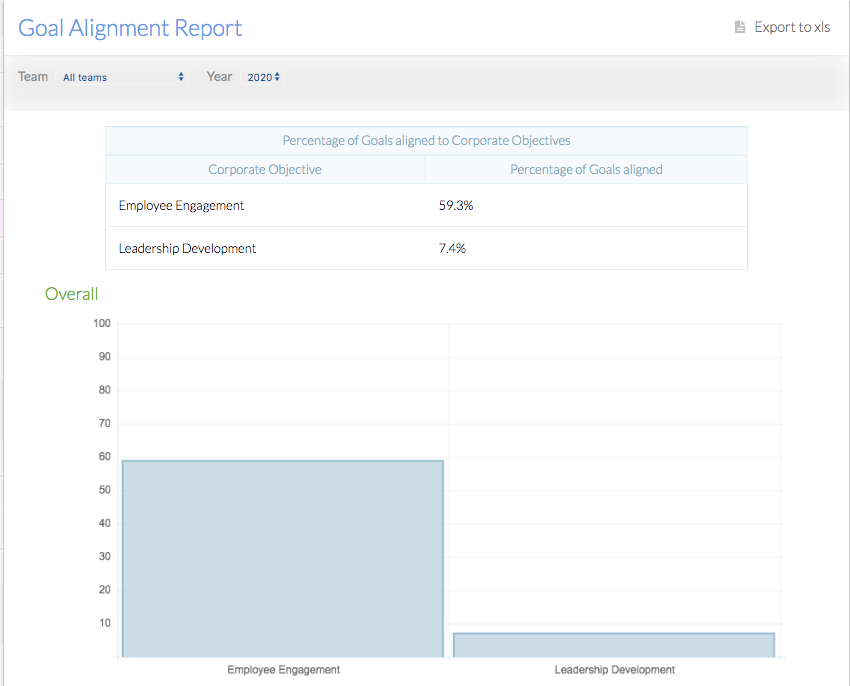 850×686 goal alignment drive organizational effectiveness sprigghr from sprigghr.com
  856×487 goal alignment intellihr support portal from intellihr.zendesk.com



Goal Alignment Agenda Form :
Goal Alignment Agenda Form was posted in August 12, 2025 at 12:08 am. If you wanna have it as yours, please click the Pictures and you will go to click right mouse then Save Image As and Click Save and download the Goal Alignment Agenda Form Picture.. Don’t forget to share this picture with others via Facebook, Twitter, Pinterest or other social medias! we do hope you'll get inspired by SampleTemplates123... Thanks again! If you have any DMCA issues on this post, please contact us!
Related For Goal Alignment Agenda Form
Timeline Update Agenda Planner
Okay, here’s some HTML-formatted content on the theme of
Non Profit Board Meeting Agenda Tem
Non Profit Board Meeting Agenda Template Board