Mission Trip Agenda Planner
Mission Trip Agenda Planner: A Comprehensive Guide
A well-structured mission trip agenda is paramount to achieving meaningful impact and ensuring a positive experience for all participants. It serves as a roadmap, guiding the team’s activities, maximizing their contributions, and fostering a sense of purpose. This guide provides a comprehensive framework for planning an effective mission trip agenda.
Phase 1: Pre-Trip Planning and Preparation (Months Before Departure)
Needs Assessment and Goal Setting:
- Identify the Community’s Needs: Conduct thorough research, engage with local leaders, and analyze existing data to understand the community’s specific challenges and priorities. Avoid imposing pre-conceived notions and prioritize community-identified needs. This could involve healthcare shortages, educational gaps, lack of access to clean water, or economic hardship.
- Define Clear and Measurable Goals: Based on the needs assessment, establish specific, measurable, achievable, relevant, and time-bound (SMART) goals. For instance, instead of “improving healthcare,” aim for “conducting 50 medical check-ups and providing health education to 100 community members.”
- Resource Allocation: Determine the resources required to achieve the goals, including financial resources, human resources (skills and expertise), and material resources (supplies, equipment). Develop a budget that encompasses all aspects of the trip, from travel and accommodation to project materials and contingency funds.
Team Building and Training:
- Recruit and Select Participants: Recruit individuals with relevant skills, a strong commitment to service, and a willingness to learn and adapt. Conduct interviews and background checks to ensure suitability.
- Pre-Trip Training: Provide comprehensive training sessions covering cultural sensitivity, language skills, project-specific skills (e.g., construction, medical procedures), safety protocols, and team building. Incorporate interactive activities, simulations, and guest speakers to enhance learning.
- Cultural Immersion: Educate participants about the local culture, customs, and traditions. This will help them avoid misunderstandings, build rapport with community members, and demonstrate respect for their way of life.
- Spiritual Preparation: Dedicate time for reflection, prayer, and devotions to cultivate a shared sense of purpose and deepen the spiritual significance of the mission trip.
Logistics and Administration:
- Travel Arrangements: Secure flights, accommodation, and transportation within the destination. Ensure all travel documents (passports, visas) are valid and up-to-date.
- Health and Safety: Consult with a travel doctor to obtain necessary vaccinations and medications. Develop a comprehensive emergency plan that includes contact information for local authorities, medical facilities, and embassy personnel. Provide participants with safety guidelines and protocols.
- Communication Plan: Establish a clear communication plan for both internal team communication and external communication with family and supporters. Consider using messaging apps, social media, or a designated communication liaison.
- Insurance Coverage: Ensure all participants have adequate travel insurance that covers medical expenses, emergency evacuation, and personal liability.
Phase 2: On-Site Implementation (During the Mission Trip)
Daily Schedule:
- Morning Devotions and Team Meetings: Start each day with a time of reflection, prayer, and team meetings. Review the day’s agenda, address any challenges, and provide encouragement.
- Project Activities: Allocate sufficient time for project activities, ensuring a balance between hands-on work and interaction with community members.
- Cultural Immersion Activities: Incorporate opportunities for cultural immersion, such as visiting local markets, attending community events, or sharing meals with families.
- Reflection Time: Schedule time for individual and group reflection on the day’s experiences. Encourage participants to journal, share their insights, and process their emotions.
- Debriefing Sessions: Conduct daily debriefing sessions to discuss progress, address challenges, and identify areas for improvement. These sessions provide a valuable opportunity for learning and adaptation.
Community Engagement:
- Collaborative Approach: Work in partnership with local leaders and community members, ensuring that their voices are heard and their needs are met.
- Respectful Communication: Communicate respectfully and empathetically with community members, actively listening to their perspectives and avoiding judgmental attitudes.
- Sustainable Solutions: Focus on developing sustainable solutions that empower the community to address its own challenges in the long term.
Flexibility and Adaptability:
- Contingency Planning: Develop contingency plans to address unexpected challenges, such as weather delays, illness, or logistical problems.
- Adapt to Local Conditions: Be prepared to adapt the agenda to local conditions and cultural norms. Remain flexible and willing to adjust plans as needed.
- Embrace Unforeseen Opportunities: Be open to embracing unforeseen opportunities to serve the community in unexpected ways.
Phase 3: Post-Trip Reflection and Follow-Up (Weeks After Return)
Debriefing and Evaluation:
- Post-Trip Debriefing: Conduct a post-trip debriefing session to review the overall experience, evaluate the effectiveness of the project, and identify lessons learned.
- Feedback Collection: Collect feedback from participants and community members to assess the impact of the mission trip and identify areas for improvement in future projects.
- Impact Assessment: Assess the impact of the mission trip on the community and the participants. Use quantitative and qualitative data to measure progress towards the established goals.
Continued Engagement:
- Maintain Relationships: Maintain ongoing communication with the community and local partners. Explore opportunities for continued support and collaboration.
- Share the Story: Share the story of the mission trip with others through presentations, social media, and publications. Raise awareness about the needs of the community and inspire others to get involved.
- Advocacy: Advocate for policies and programs that address the root causes of poverty and injustice in the community.
By following this comprehensive guide, you can create a mission trip agenda that is well-planned, impactful, and transformative for both the participants and the community served. Remember to prioritize community needs, foster cultural understanding, and promote sustainable solutions.
 1920×1080 mission trip info meeting from boxcast.tv
  1200×628 create mission trip budget template planning practices from heragenda.com
  232×300 mission trip schedule team whirlwind from www.teamwhirlwind.com
  600×730 trip agenda examples from www.examples.com
  474×338 short term mission trip planning solutions tevona from tevona.com
  1000×608 mission planner overview mission planner documentation from ardupilot.org
  600×375 great mission trip itinerary tevona from www.tevona.com
  647×361 mission trip great passion play from www.greatpassionplay.org
  240×304 mission trip checklist acs technologies from www.acstechnologies.com
  3335×1168 mission trip planning guide leadertreks youth ministry from www.leadertreks.org
  1920×1080 mission trip rfwma from rfwma.org
  2560×1440 mission trip schedule adventures missions from adventures.org
  1000×1000 wni annual mission trip calendar from www.worldnationsusa.org
 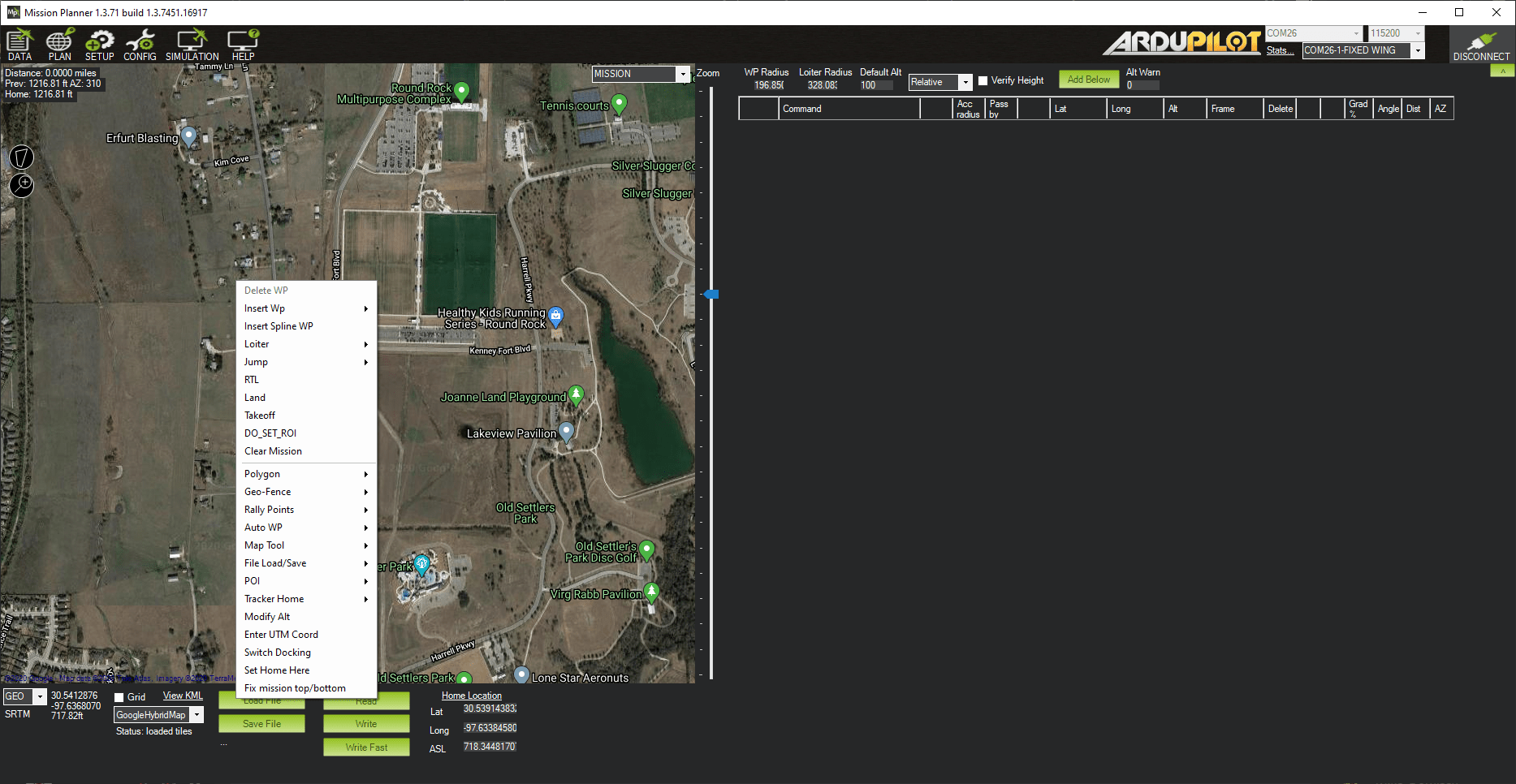 1867×966 mission planner flight plan mission planner documentation from ardupilot.ardupilot.org
  1030×865 flight planner mission editor debriefing multiplayer ed forums from forum.dcs.world
  600×600 mission trip etsy from www.etsy.com
  735×1102 mission trip crafts artofit from www.artofit.org
  600×375 ultimate mission trips planning guide tevona from www.tevona.com
  1150×887 choosing mission trip destination youthworks from www.youthworks.com
  600×375 mission trip planning tips tevona from www.tevona.com
  1199×1609 mission trip info meeting learn lowcountry from www.learntogetherlowcountry.org
  736×981 pin mission trip packing from www.pinterest.com
  1080×1080 travel planner trip itinerary organizer vacation journal from www.etsy.com
  1080×1080 travel itinerary trip planner adventure vacation agenda organizer from www.etsy.com
  768×512 freebie mission trip budget spreadsheet youthministrycom from youthministry.com
  350×350 summer mission trip meeting st joseph catholic church from stjoseph-libertyville.org
  1208×804 daily planner mission tracker graphic hoopoe design creative from www.creativefabrica.com
  1600×1236 hilldales worship ministry mission trip schedule from hilldaleworship.blogspot.com
  782×700 mission trip sample pack leadertreks youth ministry from www.leadertreks.org
  332×254 mission trip interest meetings brown missionary baptist church from brownbaptist.org
  640×960 pin mission trip ideas from www.pinterest.com.au


Mission Trip Agenda Planner :
Mission Trip Agenda Planner was posted in July 24, 2025 at 10:48 am. If you wanna have it as yours, please click the Pictures and you will go to click right mouse then Save Image As and Click Save and download the Mission Trip Agenda Planner Picture.. Don’t forget to share this picture with others via Facebook, Twitter, Pinterest or other social medias! we do hope you'll get inspired by SampleTemplates123... Thanks again! If you have any DMCA issues on this post, please contact us!