Diversity Training Agenda
Diversity Training Agenda: Building Inclusive Workplaces
Diversity training is crucial for fostering inclusive and equitable workplaces. A well-structured agenda provides a framework for addressing unconscious biases, promoting understanding, and equipping employees with the skills to navigate diverse environments effectively. This outlines a comprehensive diversity training agenda, focusing on key modules and activities designed to create lasting positive change.
Module 1: Understanding Diversity and Inclusion (90 minutes)
Introduction (15 minutes)
- Welcome and Icebreaker: Begin with a brief welcome and a quick icebreaker activity to encourage participation and create a comfortable atmosphere. For example, “Share your name, role, and one thing that makes you unique.”
- Setting the Stage: Explain the purpose and importance of diversity training. Emphasize the organization’s commitment to diversity and inclusion and outline the training objectives.
- Ground Rules: Establish ground rules for respectful communication and active listening. Encourage participants to share their perspectives openly while maintaining a safe and inclusive space. This includes respecting confidentiality, avoiding interrupting others, and approaching the topic with a learning mindset.
Defining Diversity and Inclusion (30 minutes)
- Exploring Definitions: Facilitate a discussion to define diversity and inclusion. Clarify that diversity encompasses a wide range of dimensions, including race, ethnicity, gender, sexual orientation, age, religion, disability, socioeconomic background, and cognitive differences. Inclusion focuses on creating a welcoming environment where all individuals feel valued, respected, and empowered to contribute.
- Dimensions of Diversity: Present an overview of the various dimensions of diversity, highlighting both visible and invisible characteristics. Illustrate how these dimensions intersect and influence individual experiences. Provide examples of how diversity manifests in the workplace.
- Activity: Conduct a small group activity where participants brainstorm examples of diversity within the organization and discuss the potential benefits and challenges associated with each dimension.
The Business Case for Diversity and Inclusion (30 minutes)
- Increased Innovation and Creativity: Explain how diverse teams generate more innovative ideas and solutions by bringing different perspectives and experiences to the table. Provide examples of companies that have benefited from diverse teams.
- Improved Employee Engagement and Retention: Discuss how an inclusive environment leads to higher employee engagement, satisfaction, and retention rates. Employees who feel valued and respected are more likely to be committed to the organization.
- Enhanced Customer Satisfaction: Explain how a diverse workforce can better understand and serve diverse customer bases, leading to improved customer satisfaction and loyalty.
- Stronger Reputation and Brand Image: Highlight the positive impact of a diverse and inclusive workplace on the organization’s reputation and brand image. Companies known for their commitment to diversity often attract top talent and customers.
- Interactive Discussion: Open the floor for a discussion on how diversity and inclusion can benefit the organization and individual team members. Encourage participants to share their thoughts and experiences.
Benefits and Challenges of Diversity (15 minutes)
- Discuss both the advantages and potential obstacles that come with creating a diverse workforce. Focus on constructive problem-solving and overcoming challenges.
- Address common misconceptions or concerns around implementing diversity initiatives.
Module 2: Unconscious Bias Awareness (120 minutes)
Introduction to Unconscious Bias (30 minutes)
- What is Unconscious Bias?: Define unconscious bias as implicit attitudes and stereotypes that affect our perceptions, decisions, and behaviors without our conscious awareness. Explain how these biases are formed and reinforced through socialization and experiences.
- Types of Unconscious Bias: Introduce different types of unconscious bias, such as affinity bias (favoring people similar to ourselves), confirmation bias (seeking information that confirms existing beliefs), and halo effect (allowing one positive trait to influence overall perception).
- Real-World Examples: Provide real-world examples of how unconscious bias can manifest in the workplace, such as in hiring, promotion, performance evaluations, and team assignments.
Recognizing Your Own Biases (45 minutes)
- Implicit Association Test (IAT): Have participants take an anonymous online Implicit Association Test (IAT) to explore their own unconscious biases related to race, gender, or other dimensions of diversity.
- Self-Reflection Activity: Encourage participants to reflect on their own experiences and identify situations where unconscious biases may have influenced their decisions or behaviors. Provide prompts to guide their reflection.
- Group Discussion: Facilitate a group discussion where participants can share their reflections and learn from each other. Emphasize the importance of self-awareness and ongoing reflection in mitigating unconscious bias.
Impact of Unconscious Bias in the Workplace (30 minutes)
- Hiring and Promotion: Discuss how unconscious bias can lead to unfair hiring and promotion decisions, perpetuating inequalities and limiting opportunities for qualified candidates from underrepresented groups.
- Performance Evaluations: Explain how unconscious bias can affect performance evaluations, leading to inaccurate assessments of employees’ abilities and potential.
- Team Dynamics: Discuss how unconscious bias can create barriers to collaboration and teamwork, hindering innovation and productivity.
- Microaggressions: Define microaggressions as subtle, often unintentional, slights or insults that communicate hostile, derogatory, or negative messages to individuals from marginalized groups. Provide examples of common microaggressions and their impact.
Mitigating Unconscious Bias (15 minutes)
- Strategies for Reducing Bias: Discuss practical strategies for mitigating unconscious bias in the workplace, such as:
- Blind resume screening
- Structured interviews
- Diverse interview panels
- Data-driven decision-making
- Inclusive language
- Regular training and awareness programs
Module 3: Inclusive Communication and Behavior (90 minutes)
Active Listening and Empathy (30 minutes)
- Importance of Active Listening: Explain the importance of active listening in fostering understanding and building relationships. Provide tips for active listening, such as paying attention, asking clarifying questions, and summarizing key points.
- Developing Empathy: Discuss the role of empathy in understanding and appreciating different perspectives. Encourage participants to put themselves in others’ shoes and consider their experiences.
- Role-Playing Activity: Conduct a role-playing activity where participants practice active listening and empathy in different scenarios.
Inclusive Language and Communication (30 minutes)
- Using Inclusive Language: Provide guidelines for using inclusive language that avoids stereotypes, biases, and offensive terms. Discuss the importance of using preferred pronouns and avoiding assumptions about individuals’ identities.
- Communicating Across Cultures: Explain how cultural differences can influence communication styles and preferences. Provide tips for communicating effectively across cultures, such as being mindful of nonverbal cues and avoiding jargon.
- Addressing Microaggressions: Discuss how to address microaggressions in a respectful and constructive manner. Provide strategies for intervening when witnessing microaggressions and supporting those who have been affected.
Creating a Culture of Respect (30 minutes)
- Bystander Intervention: Equip participants with the skills and confidence to intervene when they witness inappropriate behavior or discrimination. Provide strategies for bystander intervention, such as direct intervention, distraction, and reporting.
- Promoting Psychological Safety: Discuss the importance of creating a psychologically safe environment where employees feel comfortable speaking up, sharing their ideas, and taking risks without fear of judgment or retaliation.
- Action Planning: Have participants develop individual action plans for promoting inclusive communication and behavior in their own work areas.
Module 4: Implementing Diversity and Inclusion Initiatives (60 minutes)
Organizational Policies and Practices (30 minutes)
- Review of current policies related to diversity and inclusion (e.g., anti-discrimination, equal opportunity).
- Discuss ways to ensure fairness and transparency in recruitment, promotion, and performance management.
- Promote employee resource groups (ERGs) or affinity groups.
Sustaining Change (30 minutes)
- Leadership commitment and accountability.
- Ongoing training and development.
- Measurement and evaluation of diversity and inclusion initiatives.
- Creating a feedback mechanism to ensure continuous improvement.
Conclusion (15 minutes)
- Recap of Key Takeaways: Summarize the key takeaways from the training and emphasize the importance of ongoing commitment to diversity and inclusion.
- Q&A Session: Answer any remaining questions and provide additional resources for participants to continue their learning journey.
- Closing Remarks: Thank participants for their engagement and encourage them to apply their new knowledge and skills to create a more inclusive workplace.
- Evaluation: Distribute a short evaluation form to gather feedback on the training and identify areas for improvement.
 839×649 agenda regional gender diversity training trainers from www.rcrc-resilience-southeastasia.org
  1080×721 diversity training training modules from www.readyconvenience.com
  1600×960 ways improve diversity training study from insight.kellogg.northwestern.edu
  1024×582 diversity training matters build program engage blog from www.achievers.com
  1024×768 diversity training powerpoint id from www.slideserve.com
 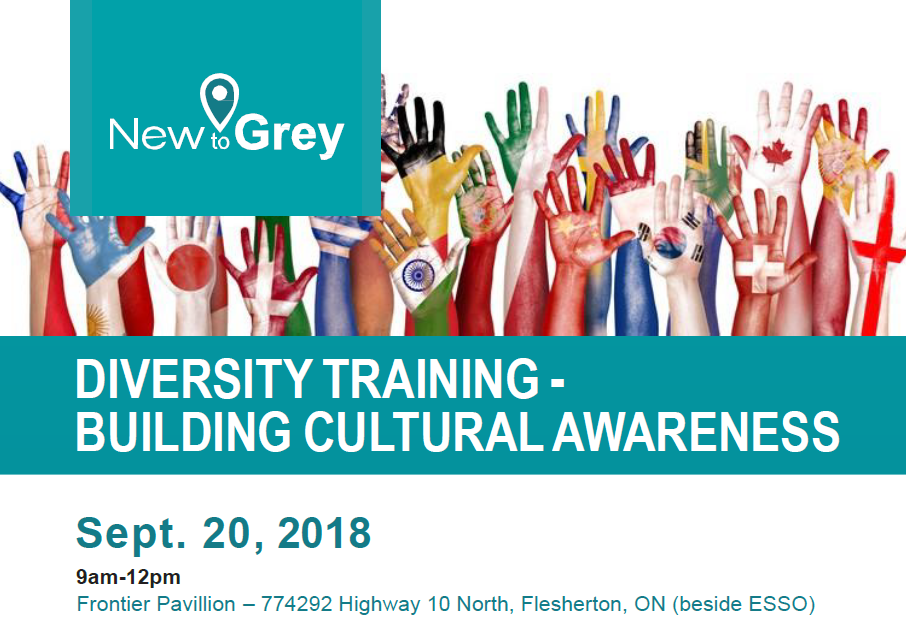 906×618 diversity training building cultural awareness grey from madeingrey.ca
 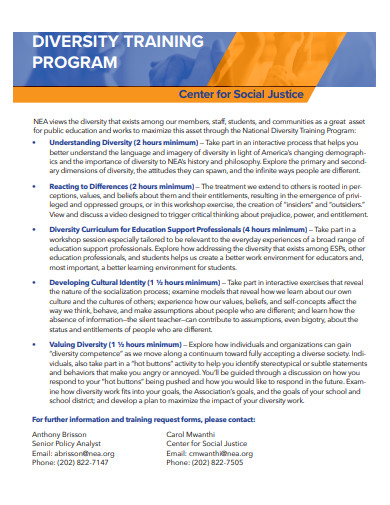 390×505 diversity training program examples from www.examples.com
  780×387 diversity training work create effective inclusion from www.diversityresources.com
  1200×1822 diversity training workshops set from news.siu.edu


Diversity Training Agenda :
Diversity Training Agenda was posted in November 30, 2025 at 7:51 am. If you wanna have it as yours, please click the Pictures and you will go to click right mouse then Save Image As and Click Save and download the Diversity Training Agenda Picture.. Don’t forget to share this picture with others via Facebook, Twitter, Pinterest or other social medias! we do hope you'll get inspired by SampleTemplates123... Thanks again! If you have any DMCA issues on this post, please contact us!