Content Strategy Agenda Format
Crafting a Winning Content Strategy Agenda
A well-structured content strategy agenda is crucial for productive meetings and driving your content initiatives forward. It serves as a roadmap, ensuring everyone is on the same page, objectives are clear, and discussions remain focused. This guide outlines a comprehensive agenda format to optimize your content strategy sessions.
Core Components of a Content Strategy Agenda
A successful content strategy agenda should encompass several key components, each designed to contribute to a clear understanding of the meeting’s purpose and desired outcomes. These components ensure all participants are prepared and can contribute effectively.
1. Meeting Title and Objective
Start with a clear and concise title that accurately reflects the meeting’s focus. For example, “Content Strategy Review: Q3 Performance and Q4 Planning” or “Website Content Audit and Strategy Development.”
Immediately following the title, state the primary objective of the meeting. What specific outcomes do you hope to achieve? Be specific and measurable. Examples include:
- “Define key performance indicators (KPIs) for blog content.”
- “Develop a content calendar for the next three months.”
- “Identify target audience segments and their content needs.”
- “Brainstorm content ideas for a new product launch.”
- “Review and refine the existing content style guide.”
A clearly defined objective sets the stage for a focused and productive discussion.
2. Meeting Details
Provide essential information about the meeting to ensure everyone knows when and where to attend. Include:
- Date: The exact date of the meeting.
- Time: The start and end time. Be realistic about how much time each topic requires.
- Location: Physical meeting room or video conferencing link (e.g., Zoom, Google Meet).
- Attendees: A list of attendees and their roles/departments. This helps participants understand who else will be present and their potential contributions.
3. Agenda Items with Time Allocations
This is the heart of the agenda. List each topic to be discussed, along with an estimated time allocation for each item. Order the topics logically, starting with updates or background information and moving toward more strategic discussions or decision-making. Here’s an example structure:
- Opening Remarks and Introductions (5 minutes): A brief welcome and opportunity for attendees to introduce themselves if necessary.
- Review of Action Items from Previous Meeting (10 minutes): Follow up on any outstanding tasks or decisions from the last meeting.
- Performance Update: Q2 Content Performance (20 minutes): Present data on key metrics such as website traffic, engagement, lead generation, and conversion rates. Analyze successes and areas for improvement.
- Competitor Analysis: Content Strategies (25 minutes): Discuss key competitor content initiatives and identify opportunities to differentiate your content.
- Brainstorming: New Content Ideas for Q3 (30 minutes): Generate fresh content ideas aligned with business goals and target audience needs. Prioritize ideas based on potential impact and feasibility.
- Content Calendar Planning: Q3 (45 minutes): Develop a detailed content calendar outlining topics, formats, publishing dates, and responsible parties.
- Discussion and Next Steps (15 minutes): Summarize key decisions, assign action items with deadlines, and schedule the next meeting.
The level of detail for each agenda item can vary depending on the complexity of the topic. For complex topics, consider breaking them down into sub-points to guide the discussion.
4. Pre-Reading Materials and Preparation
To maximize meeting efficiency, provide attendees with any necessary pre-reading materials or tasks to complete before the meeting. This could include:
- Reports on content performance.
- Links to competitor websites or content examples.
- Draft content outlines or briefs.
- Surveys or research data.
Clearly state what attendees are expected to review before the meeting. This allows them to come prepared with informed opinions and contribute more effectively to the discussion.
5. Designated Facilitator and Notetaker
Assign a facilitator to guide the meeting, keep it on track, and ensure everyone has an opportunity to contribute. The facilitator should be someone who is familiar with the content strategy and can effectively manage the discussion.
Also, designate a notetaker to capture key decisions, action items, and any other relevant information discussed during the meeting. The notes should be distributed to all attendees after the meeting.
6. Expected Outcomes
Reiterate the expected outcomes at the end of the agenda. This serves as a reminder of what the meeting aims to achieve and helps keep everyone focused on the desired results. Examples:
- “A finalized Q3 content calendar with assigned responsibilities.”
- “A clear understanding of competitor content strategies and opportunities.”
- “A list of prioritized content ideas for the next quarter.”
- “Agreement on KPIs to track blog content performance.”
Tips for Creating an Effective Content Strategy Agenda
- Distribute the agenda in advance: Send the agenda to attendees at least 24-48 hours before the meeting.
- Be realistic with time allocations: Don’t underestimate the time required for each topic.
- Prioritize topics: Focus on the most important issues and allocate more time to them.
- Encourage participation: Create a welcoming environment where everyone feels comfortable sharing their ideas.
- Stick to the agenda: Gently steer the discussion back on track if it veers off-topic.
- End on time: Respect everyone’s time and end the meeting at the scheduled time.
- Follow up: Distribute meeting notes and track action items to ensure they are completed.
By following these guidelines, you can create a content strategy agenda that leads to productive meetings, drives your content initiatives forward, and ultimately helps you achieve your business goals.
 947×529 content strategy plan slidesgo templates from slidesgo.net
 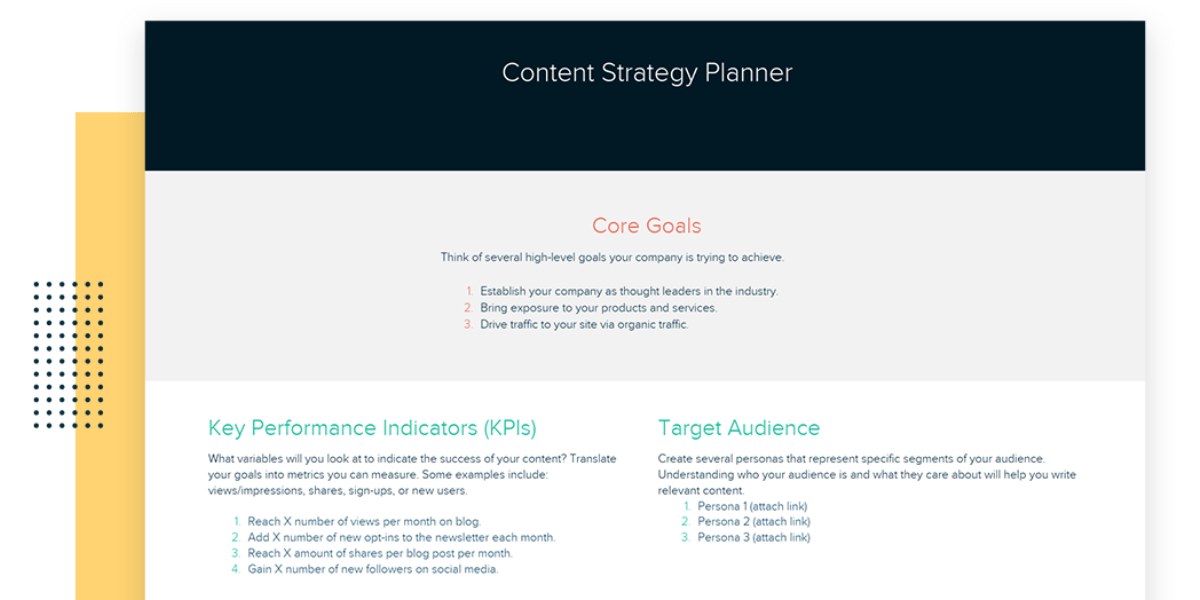 1200×600 content strategy planner template xtensio from xtensio.com
  1200×630 content strategy template instructions from www.semrush.com
  1196×893 content strategy templates smartsheet from www.smartsheet.com


Content Strategy Agenda Format :
Content Strategy Agenda Format was posted in August 17, 2025 at 7:56 pm. If you wanna have it as yours, please click the Pictures and you will go to click right mouse then Save Image As and Click Save and download the Content Strategy Agenda Format Picture.. Don’t forget to share this picture with others via Facebook, Twitter, Pinterest or other social medias! we do hope you'll get inspired by SampleTemplates123... Thanks again! If you have any DMCA issues on this post, please contact us!