SEO Planning Agenda Sheet
SEO Planning Agenda Sheet: Your Roadmap to Search Engine Success
An SEO Planning Agenda Sheet is a crucial document that outlines the structured approach to optimizing a website for search engines. It serves as a blueprint, guiding the SEO team or individual through a series of tasks and strategies designed to improve organic visibility, drive targeted traffic, and achieve desired business goals. Without a well-defined agenda, SEO efforts can become scattered, inefficient, and ultimately, less effective.
This document details the key components and benefits of a comprehensive SEO Planning Agenda Sheet, providing a practical framework for planning and executing successful SEO campaigns.
Why is an SEO Planning Agenda Sheet Important?
- Provides Structure and Direction: It creates a clear roadmap, ensuring everyone involved understands the goals, strategies, and timelines. This prevents confusion and keeps the team focused.
- Ensures Comprehensive Coverage: It prompts consideration of all essential SEO aspects, from keyword research and on-page optimization to content strategy and link building. This reduces the risk of overlooking crucial elements.
- Facilitates Collaboration: It serves as a central point of reference for all stakeholders, fostering better communication and collaboration between different departments (e.g., marketing, content, development).
- Tracks Progress and Measures Results: It includes metrics and KPIs, allowing for the monitoring of performance, identification of areas for improvement, and measurement of the ROI of SEO efforts.
- Optimizes Resource Allocation: By prioritizing tasks and setting realistic deadlines, it helps allocate resources effectively, ensuring that time and budget are used efficiently.
Key Components of an SEO Planning Agenda Sheet
A well-structured SEO Planning Agenda Sheet typically includes the following components:
1. Project Overview and Goals
This section clearly defines the overall objective of the SEO campaign. What are you trying to achieve? Increase brand awareness? Drive more leads? Boost online sales? Setting specific, measurable, achievable, relevant, and time-bound (SMART) goals is essential. Examples include:
- Increase organic traffic by 20% in the next quarter.
- Rank on the first page of Google for 5 key target keywords within 6 months.
- Generate 50 qualified leads per month through organic search.
This section should also briefly describe the target audience and the overall business context of the SEO campaign.
2. Keyword Research and Analysis
This is the foundation of any successful SEO strategy. It involves identifying the keywords that your target audience is using to search for products, services, or information related to your business. This section of the agenda should cover:
- Brainstorming Seed Keywords: Starting with broad keywords related to your niche.
- Using Keyword Research Tools: Employing tools like Google Keyword Planner, SEMrush, Ahrefs, or Moz Keyword Explorer to identify relevant keywords with sufficient search volume and low competition.
- Analyzing Keyword Intent: Understanding the user’s intent behind each keyword (informational, navigational, transactional).
- Categorizing Keywords: Grouping keywords based on theme, intent, and relevance to different pages on your website.
- Prioritizing Keywords: Selecting the most important keywords to target based on their potential to drive traffic and conversions.
3. On-Page Optimization
This involves optimizing the elements within your website to improve its ranking for target keywords. The agenda should include tasks such as:
- Title Tag Optimization: Crafting compelling and keyword-rich title tags for each page.
- Meta Description Optimization: Writing engaging meta descriptions that encourage users to click through to your website.
- Header Tag Optimization (H1-H6): Using header tags to structure content and incorporate relevant keywords.
- Content Optimization: Creating high-quality, informative, and engaging content that satisfies user intent and incorporates target keywords naturally.
- Image Optimization: Optimizing images with descriptive alt text and compressing them for faster loading times.
- URL Structure Optimization: Using clean, keyword-rich URLs.
- Internal Linking: Creating a network of internal links to improve website navigation and distribute link juice.
- Mobile Optimization: Ensuring that the website is responsive and provides a seamless experience on all devices.
- Schema Markup Implementation: Adding structured data markup to provide search engines with more context about your content.
4. Off-Page Optimization (Link Building)
This involves building high-quality backlinks from other reputable websites to increase your website’s authority and ranking. The agenda should outline:
- Identifying Link Building Opportunities: Researching potential link sources, such as industry directories, guest blogging opportunities, broken link building targets, and resource pages.
- Developing a Link Building Strategy: Defining the tactics and techniques that will be used to acquire backlinks.
- Creating Compelling Content: Developing valuable and shareable content that attracts backlinks naturally.
- Outreach and Relationship Building: Contacting website owners and influencers to request backlinks.
- Monitoring Backlink Profile: Tracking backlinks to identify and disavow any low-quality or spammy links.
5. Content Strategy
Content is king in SEO. This section should detail the plan for creating and publishing valuable, engaging, and SEO-friendly content. Consider:
- Content Calendar: A schedule for publishing new content, including topics, formats (blog posts, videos, infographics), and target keywords.
- Content Promotion Plan: Strategies for promoting content through social media, email marketing, and other channels.
- Content Optimization for SEO: Ensuring that all content is optimized for target keywords and user intent.
- Repurposing Content: Transforming existing content into different formats to reach a wider audience.
6. Technical SEO
This involves optimizing the technical aspects of your website to ensure that it is easily crawled and indexed by search engines. The agenda should include:
- Website Crawlability and Indexability: Ensuring that search engines can easily crawl and index all important pages on your website.
- XML Sitemap Submission: Submitting an XML sitemap to search engines to help them discover and index your content.
- Robots.txt Optimization: Using robots.txt to control which pages search engines can crawl.
- Website Speed Optimization: Improving website loading speed by optimizing images, leveraging browser caching, and using a content delivery network (CDN).
- Mobile-Friendliness: Ensuring that the website is responsive and provides a seamless experience on mobile devices.
- Fixing Crawl Errors: Identifying and fixing any crawl errors that may be preventing search engines from indexing your content.
- Implementing HTTPS: Securing the website with HTTPS to protect user data and improve search engine ranking.
7. Monitoring and Reporting
This involves tracking the performance of your SEO efforts and generating reports to demonstrate progress and identify areas for improvement. Include:
- Setting Up Analytics Tracking: Implementing Google Analytics to track website traffic, keyword rankings, and other key metrics.
- Monitoring Keyword Rankings: Tracking the performance of target keywords in search engine results pages (SERPs).
- Tracking Website Traffic: Monitoring overall website traffic and organic traffic specifically.
- Analyzing User Behavior: Understanding how users interact with your website, including bounce rate, time on site, and conversion rates.
- Generating Regular Reports: Creating reports to track progress against goals and identify areas for improvement.
- Identifying and Addressing Issues: Regularly reviewing data to spot problems and implement solutions quickly.
8. Task Assignment and Timeline
Clearly assign each task to a specific individual or team and set realistic deadlines for completion. This ensures accountability and helps keep the project on track.
9. Budget Allocation
Allocate a budget for each aspect of the SEO campaign, including keyword research tools, content creation, link building, and software subscriptions.
Conclusion
An SEO Planning Agenda Sheet is a vital tool for any business seeking to improve its online visibility and drive targeted traffic from search engines. By following a structured approach and addressing all key aspects of SEO, you can significantly increase your chances of achieving your desired business goals. Remember to regularly review and update your agenda sheet to reflect changes in the search engine landscape and the evolving needs of your business.
 768×768 seo planning worksheets kuvaka digital from kuvakadigital.com
  474×254 seo checklist template smartsheet from www.smartsheet.com
  1469×1469 page seo planning template from www.jonespr.net
 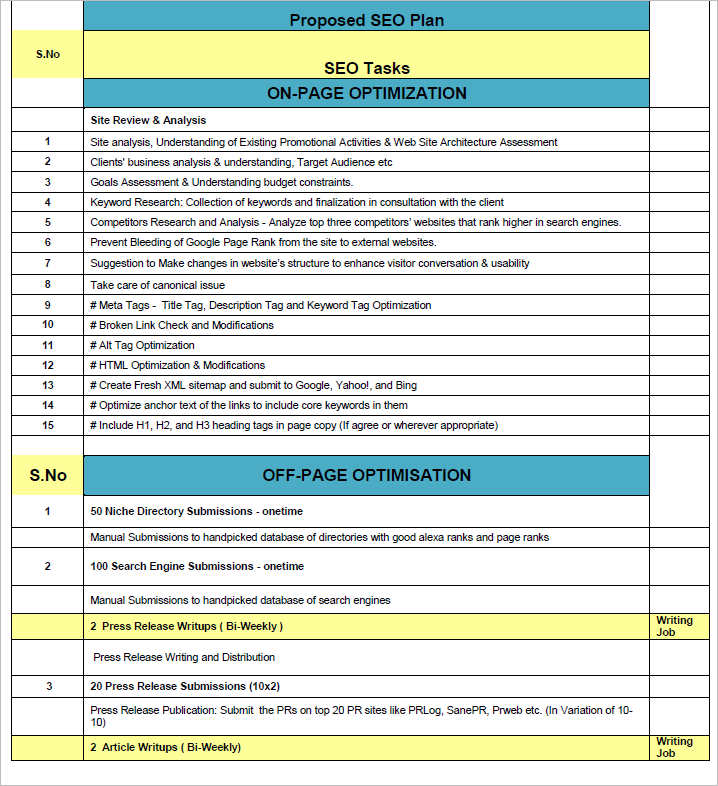 718×786 seo planning templates word excel formats from www.creativetemplate.net
  960×720 seo strategy agenda developing good seo strategy template from www.slideteam.net
  2666×1596 page seo template hubspot from offers.hubspot.com
  1024×1446 seo plan templates edit templatenet from www.template.net



SEO Planning Agenda Sheet :
SEO Planning Agenda Sheet was posted in May 26, 2025 at 5:26 pm. If you wanna have it as yours, please click the Pictures and you will go to click right mouse then Save Image As and Click Save and download the SEO Planning Agenda Sheet Picture.. Don’t forget to share this picture with others via Facebook, Twitter, Pinterest or other social medias! we do hope you'll get inspired by SampleTemplates123... Thanks again! If you have any DMCA issues on this post, please contact us!