Lead Generation Agenda Template
“`html
Lead Generation Agenda Template: A Blueprint for Success
In the dynamic world of sales and marketing, effective lead generation is the lifeblood of business growth. A well-structured lead generation agenda is crucial for outlining strategies, coordinating efforts, and ultimately, achieving desired results. This template serves as a roadmap, guiding your team through the key components of a successful lead generation campaign.
I. Goal Setting & Objectives (10% of the Agenda)
Before diving into tactics, clearly define what you aim to achieve. This section outlines the purpose of the entire lead generation effort.
- Overall Goal: State the overarching goal in measurable terms. Examples: “Increase qualified leads by 25% in Q4,” or “Generate 100 Marketing Qualified Leads (MQLs) per month.”
- Specific Objectives: Break down the goal into smaller, achievable objectives. For instance, if the goal is to increase qualified leads, objectives might include:
- Improve website conversion rate from 2% to 3%.
- Increase social media engagement by 15%.
- Generate X number of leads from content marketing efforts.
- Target Audience: Clearly define your ideal customer profile (ICP). This includes demographics, industry, job title, pain points, and buying behaviors. Knowing your target audience is paramount for tailoring your messaging and choosing the right channels.
- Key Performance Indicators (KPIs): Identify the metrics you will track to measure progress. Common KPIs include:
- Website traffic
- Lead conversion rate
- Cost per lead (CPL)
- Lead quality score
- Sales Qualified Leads (SQLs)
II. Strategy & Tactics (30% of the Agenda)
This section details the specific strategies and tactics you will employ to generate leads. It is the core of the agenda.
- Channel Selection: Determine which channels will be most effective for reaching your target audience. Common channels include:
- Content Marketing: Blog posts, ebooks, whitepapers, webinars, case studies, infographics.
- Search Engine Optimization (SEO): Optimizing your website for relevant keywords to improve organic search rankings.
- Search Engine Marketing (SEM): Paid advertising on search engines like Google Ads.
- Social Media Marketing: Engaging with potential customers on social media platforms.
- Email Marketing: Nurturing leads through targeted email campaigns.
- Events & Webinars: Hosting or attending industry events and webinars to generate leads.
- Partnerships: Collaborating with other businesses to reach a wider audience.
- Referral Programs: Incentivizing existing customers to refer new leads.
- Content Plan: Outline the content you will create and distribute, aligning it with the needs and interests of your target audience. Include topics, formats, and publishing schedule.
- Lead Magnet Strategy: Define compelling offers (e.g., ebooks, templates, free trials) to attract potential customers and capture their contact information.
- Landing Page Optimization: Ensure your landing pages are optimized for conversions, with clear calls to action and compelling messaging.
- Call-to-Action (CTA) Strategy: Implement clear and persuasive CTAs throughout your website, content, and marketing materials.
- Social Media Engagement Plan: Define your social media strategy, including content posting schedule, engagement tactics, and community building efforts.
III. Team & Responsibilities (15% of the Agenda)
Clearly define roles and responsibilities to ensure accountability and prevent overlap.
- Team Members: List all team members involved in the lead generation process.
- Roles & Responsibilities: Assign specific roles and responsibilities to each team member. Examples:
- Content Creator: Responsible for creating blog posts, ebooks, and other content.
- SEO Specialist: Responsible for optimizing website for search engines.
- Social Media Manager: Responsible for managing social media accounts and engaging with followers.
- Sales Team: Responsible for following up with leads and closing deals.
- Reporting Structure: Define the reporting structure and communication channels to ensure everyone is informed and aligned.
IV. Budget & Resources (10% of the Agenda)
Allocate budget and resources effectively to support the lead generation activities.
- Budget Allocation: Allocate budget across different channels and activities.
- Resource Requirements: Identify the resources required to execute the lead generation plan, including tools, software, and personnel.
- ROI Projections: Estimate the return on investment (ROI) for each channel and activity.
V. Technology & Tools (10% of the Agenda)
Identify the technology and tools required for lead generation and tracking.
- CRM (Customer Relationship Management): Choose a CRM system to manage leads and track their progress through the sales funnel.
- Marketing Automation Software: Select marketing automation software to automate email marketing, social media posting, and other tasks.
- Analytics Tools: Utilize analytics tools to track website traffic, lead conversions, and other key metrics.
- Lead Generation Tools: Identify and implement lead generation tools such as chatbots, pop-up forms, and lead capture forms.
VI. Tracking & Measurement (15% of the Agenda)
Establish a system for tracking and measuring progress to ensure the lead generation efforts are effective.
- Tracking Mechanisms: Define the tracking mechanisms you will use to monitor progress, such as Google Analytics, CRM reports, and marketing automation dashboards.
- Reporting Frequency: Establish a reporting schedule to regularly review progress and identify areas for improvement.
- Performance Analysis: Analyze performance data to identify successful strategies and tactics, as well as areas that need improvement.
- A/B Testing: Implement A/B testing to optimize landing pages, email subject lines, and other elements of your lead generation campaigns.
VII. Review & Optimization (10% of the Agenda)
Regularly review the lead generation plan and make adjustments as needed to optimize performance.
- Review Meetings: Schedule regular review meetings to discuss progress, identify challenges, and brainstorm solutions.
- Plan Adjustments: Make adjustments to the lead generation plan based on performance data and market trends.
- Continuous Improvement: Continuously seek opportunities to improve the lead generation process and optimize results.
By following this lead generation agenda template, you can create a comprehensive and effective plan to generate high-quality leads and drive business growth. Remember to adapt the template to your specific needs and continuously monitor and optimize your efforts to achieve optimal results.
“`
 1242×1270 lead generation form templates tools from blog.hubspot.com
 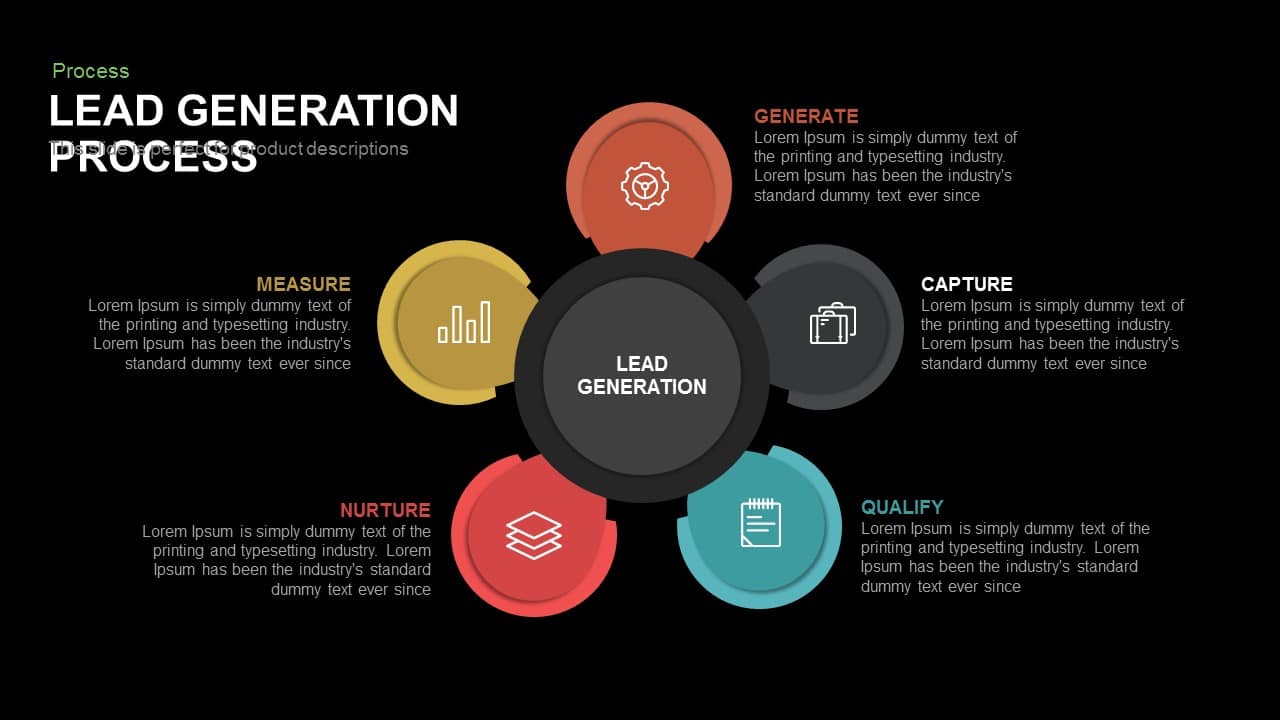 1280×720 lead generation process powerpoint template keynote slidebazaar from slidebazaar.com
  2390×1190 lead generation form template convertflow from www.convertflow.com
  1920×870 template lead generation from resources.duda.co
  939×1024 ultimate lead generation template from doneforyou.com


Lead Generation Agenda Template :
Lead Generation Agenda Template was posted in October 16, 2025 at 7:06 pm. If you wanna have it as yours, please click the Pictures and you will go to click right mouse then Save Image As and Click Save and download the Lead Generation Agenda Template Picture.. Don’t forget to share this picture with others via Facebook, Twitter, Pinterest or other social medias! we do hope you'll get inspired by SampleTemplates123... Thanks again! If you have any DMCA issues on this post, please contact us!
Related For Lead Generation Agenda Template
Homeschool Agenda Sample
Homeschool Agenda Sample Homeschool Agenda: A Sample Framework for