Nutritionist Consultation Agenda
Nutritionist Consultation Agenda: A Comprehensive Guide
A consultation with a nutritionist is a collaborative journey aimed at improving your health and well-being through personalized dietary guidance. To ensure a productive and beneficial session, the agenda typically follows a structured approach, encompassing information gathering, assessment, goal setting, and initial plan development. This guide outlines a common nutritionist consultation agenda, providing insight into what to expect and how to prepare for your appointment.
Phase 1: Introduction and Rapport Building (5-10 minutes)
The initial moments of the consultation are dedicated to establishing a comfortable and trusting relationship. The nutritionist will introduce themselves and their background, outlining their expertise and approach to nutrition counseling. They will explain the consultation process and address any initial questions or concerns you might have.
This phase is crucial for creating a safe space where you feel comfortable sharing personal information and discussing your health goals openly. It sets the foundation for effective communication and collaboration throughout the consultation.
Phase 2: Information Gathering and Assessment (20-30 minutes)
This is the most substantial part of the consultation, focused on gathering a comprehensive understanding of your health history, lifestyle, and dietary habits. The nutritionist will ask a series of questions, typically covering the following areas:
- Medical History: Past and present medical conditions, including chronic illnesses, allergies, intolerances, surgeries, and any current medications or supplements. This information is crucial for identifying potential nutrient interactions or dietary restrictions.
- Lifestyle Factors: Occupation, activity level, sleep patterns, stress levels, and smoking/alcohol consumption habits. These factors significantly impact your nutritional needs and energy expenditure.
- Dietary History: Detailed information about your typical daily food intake, including meal frequency, portion sizes, food preferences and aversions, cooking habits, and eating patterns. This often involves a food recall or food diary review.
- Weight History: Past weight fluctuations, dieting history, and body image concerns. This provides valuable insight into your relationship with food and potential barriers to achieving your goals.
- Family History: Family history of diseases such as diabetes, heart disease, cancer, and obesity. Genetic predisposition can influence your risk factors and nutritional needs.
- Motivation and Goals: Exploring your reasons for seeking nutritional guidance, your desired outcomes (weight loss, improved energy, better digestion, etc.), and your level of commitment to making changes.
The nutritionist may use various tools to assess your current nutritional status, such as:
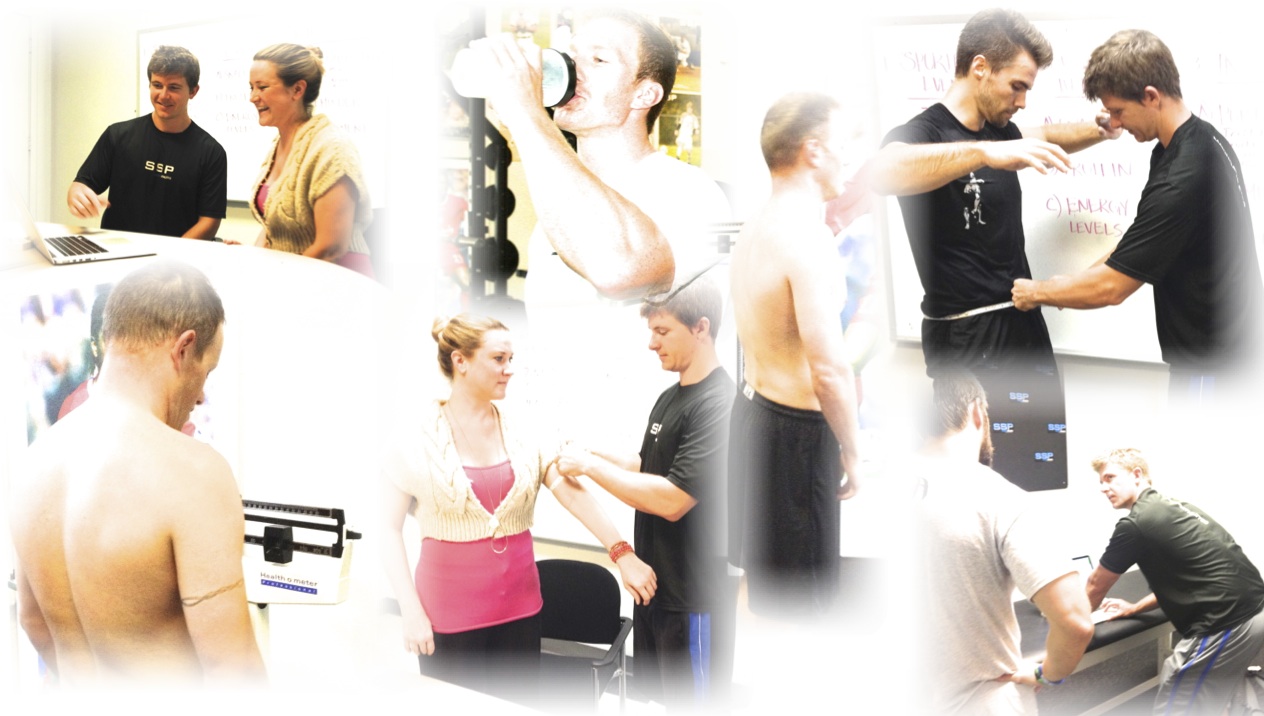
- Body Composition Analysis: Measuring body fat percentage, muscle mass, and water weight using techniques like bioelectrical impedance analysis (BIA).
- Anthropometric Measurements: Recording height, weight, waist circumference, and other body measurements to assess body size and shape.
- Review of Lab Results: Analyzing recent blood tests or other relevant lab reports to identify any nutrient deficiencies or imbalances. (Note: This may require you to bring in previous lab results or obtain new ones.)
Be prepared to answer questions honestly and provide as much detail as possible. This information will help the nutritionist create a personalized plan tailored to your unique needs.
Phase 3: Goal Setting and Prioritization (10-15 minutes)
Based on the information gathered, the nutritionist will work with you to establish realistic and achievable goals. This involves identifying specific, measurable, attainable, relevant, and time-bound (SMART) objectives.
For example, instead of a vague goal like “eat healthier,” a SMART goal might be “increase vegetable intake to 5 servings per day within two weeks.”
The nutritionist will help you prioritize goals based on their potential impact and feasibility. Starting with smaller, manageable changes can build momentum and increase your confidence in making larger lifestyle modifications.
This phase ensures that you are actively involved in shaping your nutrition plan and that the goals align with your personal values and preferences.
Phase 4: Initial Nutrition Plan Development (15-20 minutes)
The nutritionist will develop an initial nutrition plan based on your individual needs, goals, and preferences. This plan may include:
- Specific Dietary Recommendations: Guidance on food choices, portion sizes, meal timing, and meal frequency.
- Meal Planning Suggestions: Examples of healthy meal and snack options, along with recipes and cooking tips.
- Hydration Recommendations: Guidance on fluid intake to support overall health and hydration.
- Supplement Recommendations (if necessary): Suggestions for vitamin, mineral, or herbal supplements to address any identified deficiencies or support specific health goals. (Note: Supplement recommendations should always be discussed with your physician.)
- Behavioral Strategies: Techniques for managing cravings, overcoming obstacles, and building healthy habits. This may involve mindful eating exercises, stress management techniques, or strategies for dealing with social situations.
The nutritionist will explain the rationale behind each recommendation and provide resources to support your plan, such as meal planning templates, recipe books, or online tools.
This phase is an opportunity to ask questions and clarify any aspects of the plan that you don’t understand or feel comfortable with. The nutritionist can make adjustments to the plan based on your feedback.
Phase 5: Action Planning and Follow-Up (5-10 minutes)
Before the consultation ends, the nutritionist will work with you to create an action plan outlining the specific steps you will take to implement the recommendations. This may involve:
- Identifying Small, Achievable Steps: Breaking down larger goals into smaller, more manageable tasks.
- Scheduling Meal Preparation Time: Allocating time for grocery shopping, meal prepping, and cooking.
- Tracking Progress: Using a food diary, journal, or app to monitor your food intake and track your progress towards your goals.
- Planning for Challenges: Anticipating potential obstacles and developing strategies to overcome them.
The nutritionist will also discuss the frequency and format of follow-up appointments to monitor your progress, provide ongoing support, and make any necessary adjustments to the plan. They will also explain how to contact them between appointments if you have any questions or concerns.
Leaving the consultation with a clear action plan and a sense of support is crucial for long-term success.
Preparing for Your Consultation
To make the most of your nutritionist consultation, it’s helpful to:
- Keep a Food Diary: Track your food intake for several days prior to the appointment.
- Gather Medical Information: Compile a list of your medical conditions, medications, and supplements.
- Write Down Questions: Prepare a list of questions you want to ask the nutritionist.
- Be Open and Honest: Share your concerns and challenges openly and honestly.
- Be Realistic: Understand that lifestyle changes take time and effort.
By following this agenda and preparing thoroughly, you can maximize the value of your nutritionist consultation and take a significant step towards achieving your health goals.
 626×417 premium photo female nutritionist giving consultation patient from www.freepik.com
  800×533 nutrition consultation stock image image nutritionist from www.dreamstime.com
  900×900 nutrition consultation digg deep fitness nutrition from diggdeepfit.com
  1688×1125 nutritionist giving consultation patient healthy fruit from www.oncozine.com
  800×577 nutritionist meeting patient office stock image image from www.dreamstime.com
  1264×716 nutrition consultation from spectrumsp.com
  959×580 nutrition consultation healthy options nutrition weight loss from www.healthy-options.com
  850×1100 nutrition consultation jewish community council from jccrp.org


Nutritionist Consultation Agenda :
Nutritionist Consultation Agenda was posted in June 17, 2025 at 11:05 pm. If you wanna have it as yours, please click the Pictures and you will go to click right mouse then Save Image As and Click Save and download the Nutritionist Consultation Agenda Picture.. Don’t forget to share this picture with others via Facebook, Twitter, Pinterest or other social medias! we do hope you'll get inspired by SampleTemplates123... Thanks again! If you have any DMCA issues on this post, please contact us!
Related For Nutritionist Consultation Agenda
