Podcast Planning Agenda Sheet
Podcast Planning Agenda Sheet: Your Roadmap to Engaging Episodes A podcast planning agenda sheet is a vital tool for any podcaster, regardless of experience level. It serves as a structured roadmap, guiding the episode creation process from initial brainstorming to final production. Without a well-defined agenda, podcasts can easily become rambling, unfocused, and ultimately, less engaging for listeners. This document ensures a clear purpose, organized content, and efficient use of recording time, leading to a higher quality and more impactful podcast. **Why Use a Podcast Planning Agenda Sheet?** The benefits of utilizing a podcast planning agenda are multifaceted: * **Clarity and Focus:** An agenda sheet forces you to define the episode’s core message, target audience, and desired outcomes. This clarity helps maintain focus during recording, preventing tangents and ensuring all content contributes to the overall goal. * **Improved Organization:** A well-structured agenda outlines the episode’s segments, topics, and transitions. This organized approach ensures a logical flow of information, making the podcast easier for listeners to follow and comprehend. * **Time Management:** By allocating specific time slots to each segment, the agenda helps manage recording time effectively. This prevents certain topics from dominating the conversation while others are rushed or overlooked. * **Enhanced Collaboration:** When working with co-hosts or guests, the agenda sheet serves as a shared understanding of the episode’s structure and content. This facilitates smoother collaboration and reduces the risk of misunderstandings. * **Professionalism:** A detailed agenda conveys professionalism to guests and team members, demonstrating a commitment to quality and preparedness. This can enhance credibility and foster stronger working relationships. * **Reduced Editing Time:** A well-planned and executed episode typically requires less editing. With a clear structure and minimal tangents, the post-production process becomes more streamlined. **Key Elements of a Podcast Planning Agenda Sheet:** A comprehensive podcast planning agenda sheet should include the following elements: * **Episode Title:** A concise and descriptive title that accurately reflects the episode’s topic and attracts listeners. * **Episode Number:** Clearly identify the episode number for easy cataloging and referencing. * **Date & Time of Recording:** Record the date and time scheduled for recording. * **Host(s):** List the names of all hosts involved in the episode. * **Guest(s) (if applicable):** Include the names and relevant background information of any guest(s). This background information should include talking points that are pre-approved with guests. * **Target Audience:** Define the specific audience you are trying to reach with this episode. Consider their interests, knowledge level, and pain points. * **Episode Objective/Goal:** Clearly state what you hope to achieve with this episode. What information do you want to convey? What action do you want listeners to take? * **Episode Segments:** This is the core of the agenda sheet, outlining the different sections of the podcast. Each segment should include: * **Segment Title:** A brief and descriptive title for the segment. * **Content Outline:** A bullet-point list of the key topics and points to be covered in the segment. Include specific examples, stories, or data to support your points. * **Time Allocation:** Estimate the amount of time to be spent on each segment. Be realistic and allow for flexibility. * **Transition Notes:** Briefly note how you will transition from one segment to the next. This helps maintain a smooth flow and prevents abrupt changes in topic. * **Call to Action (if applicable):** If a segment is designed to encourage a specific action from listeners (e.g., visit a website, subscribe to a newsletter), clearly state the call to action and how to execute it. * **Introduction:** * **Hook:** Capture the listener’s attention in the first few seconds with a compelling question, intriguing statistic, or relevant anecdote. * **Introduction of Hosts/Guests:** Briefly introduce yourself and any co-hosts or guests. * **Overview of Episode:** Provide a brief overview of what listeners can expect to learn in the episode. * **Middle Segments (Body):** These segments delve into the main topics of the episode. Structure them logically, ensuring a clear flow of information. Common middle segments include: * **News Updates:** Discuss relevant industry news or current events. * **Interviews:** Conduct interviews with experts or thought leaders. * **Case Studies:** Analyze real-world examples or success stories. * **Tips and Tricks:** Share practical advice and actionable strategies. * **Q&A:** Answer questions from listeners. * **Conclusion:** * **Summary of Key Points:** Briefly recap the main takeaways from the episode. * **Call to Action:** Reinforce any calls to action made during the episode. * **Contact Information:** Provide contact information for hosts and guests (e.g., website, social media). * **Preview of Next Episode:** Tease the topic of the next episode to encourage listeners to subscribe. * **Thank You:** Express gratitude to listeners for tuning in. * **Sponsor/Advertiser Information (if applicable):** Include details about any sponsors or advertisers, including the ad copy and placement within the episode. * **Music/Sound Effects:** List any music tracks or sound effects to be used in the episode, along with their corresponding timestamps. * **Research/Resources:** Include links to relevant articles, websites, or other resources that support the episode’s content. * **Notes/Reminders:** Use this section to jot down any additional notes or reminders for the recording session. **Creating Your Podcast Planning Agenda Sheet:** You can create your agenda sheet using a variety of tools: * **Word Processing Software (e.g., Microsoft Word, Google Docs):** These programs offer basic formatting and collaboration features. * **Spreadsheet Software (e.g., Microsoft Excel, Google Sheets):** Spreadsheets are useful for organizing information into rows and columns, especially when dealing with time allocations and resources. * **Project Management Software (e.g., Trello, Asana):** These tools offer more advanced features for task management, collaboration, and tracking progress. * **Dedicated Podcast Planning Templates:** Many websites and resources offer pre-designed podcast planning templates that can be customized to your specific needs. **Tips for Effective Agenda Planning:** * **Brainstorm Thoroughly:** Before creating the agenda, take time to brainstorm all potential topics and angles for the episode. * **Prioritize Content:** Determine the most important information to cover and allocate sufficient time to those segments. * **Be Realistic with Time Allocations:** Accurately estimate the time required for each segment to avoid rushing or exceeding the recording time. * **Involve Co-hosts/Guests:** Collaborate with co-hosts and guests to ensure everyone is on the same page and contributing effectively. * **Review and Revise:** Regularly review and revise your agenda sheet based on feedback and changing circumstances. * **Keep it Flexible:** While the agenda provides structure, be prepared to deviate from it if necessary to address unexpected topics or opportunities. By consistently utilizing a well-designed podcast planning agenda sheet, you can significantly enhance the quality, organization, and impact of your podcast. It’s an investment in your listeners’ experience and a crucial step towards building a successful and engaging podcast.
 3000×2400 podcast planner template editable podcast worksheet podcast printable from www.pinterest.com
  298×386 podcast planning sheet fill printable fillable blank from www.pdffiller.com
  1054×1295 podcast planning template mondaycom from monday.com
  474×624 editable podcast planner podcast worksheet podcast plan podcast art from www.pinterest.com
  1618×2299 podcast planner template projectco from www.project.co
  1080×864 podcast planner podcast planning printable podcast planner editable from www.etsy.com
  3000×2400 podcast planner podcast planning printable podcast planner etsy from www.etsy.com
  1966×2560 podcast content planner worksheet rumble design store from rumbledesignstore.com
  1131×1690 podcast planner digital planning insert sheet printable page template from www.dreamstime.com
  1672×1128 podcast planner template downloadable from www.ausha.co
  1080×810 podcast planning worksheets size podcast planner podcast printable from www.etsy.com
  2000×2000 podcast planner worksheet podcast worksheet pod cast podcast plan from www.etsy.com
  736×1104 podcast planner printable podcast content planner podcast episode from www.pinterest.com
  1080×1080 podcast planner printable podcast script planning checklist interview from www.etsy.com
  0 x 0 podcast planner printable podcast content planning template etsy from www.etsy.com
  1588×2056 printable podcast planner etsy from www.etsy.com
  1140×903 podcast planner content calendar podcast worksheet script etsy from www.etsy.com
  2500×2500 podcast planner editable podcast template content calendar podcast from www.artofit.org
  2500×2000 printable podcast planner content planner podcast episode planner from www.etsy.com
  1131×1600 printable podcast planning worksheet printable templates from templates.udlvirtual.edu.pe
  1140×1140 printable podcast episode planner worksheet template podcast content from www.etsy.com
  1080×1080 printable podcast planner template podcast printable podcast summary from www.etsy.com
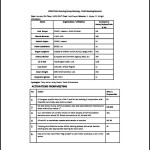

Podcast Planning Agenda Sheet :
Podcast Planning Agenda Sheet was posted in August 2, 2025 at 7:21 pm. If you wanna have it as yours, please click the Pictures and you will go to click right mouse then Save Image As and Click Save and download the Podcast Planning Agenda Sheet Picture.. Don’t forget to share this picture with others via Facebook, Twitter, Pinterest or other social medias! we do hope you'll get inspired by SampleTemplates123... Thanks again! If you have any DMCA issues on this post, please contact us!
Related For Podcast Planning Agenda Sheet
