Sample Letter Of Authorization To Family Member
Letter of Authorization: Granting Authority to a Family Member
This document provides a comprehensive template for a Letter of Authorization, specifically designed to grant a family member the authority to act on your behalf. Using this template will ensure clarity and prevent misunderstandings when delegating responsibilities. Remember to customize this sample letter with accurate information specific to your situation.
Sample Letter of Authorization
[Your Full Name]
[Your Address]
[Your Phone Number]
[Your Email Address]
[Date]
[Recipient’s Full Name (Family Member)]
[Recipient’s Address]
[Recipient’s Phone Number]
[Recipient’s Email Address]
Subject: Letter of Authorization
Dear [Recipient’s Name],
This letter serves as official authorization for you, [Recipient’s Full Name], residing at [Recipient’s Address], to act on my behalf in matters pertaining to [Specific Area of Authorization – e.g., my financial accounts, healthcare decisions, property management, specific legal matter]. I am currently [State your reason for needing assistance – e.g., traveling abroad, temporarily incapacitated due to illness, managing other commitments].
I hereby grant you the following specific powers and authorities:
- Financial Matters:
- To access and manage my bank account(s) held at [Name of Bank(s)], account number(s) [Account Number(s)], including the ability to deposit funds, withdraw funds, and make payments on my behalf.
- To endorse and deposit checks made payable to me.
- To pay my bills and expenses, including but not limited to utilities, rent/mortgage payments, insurance premiums, and credit card bills.
- To manage my investments, including buying and selling stocks, bonds, and other securities, held with [Name of Brokerage Firm, if applicable], account number [Account Number, if applicable].
- To file my taxes, both federal and state, and to represent me in any dealings with the Internal Revenue Service (IRS) or state tax authorities concerning my tax obligations.
- Healthcare Decisions:
- To make healthcare decisions on my behalf should I become unable to do so myself. This includes the authority to consent to medical treatment, surgeries, and other medical procedures.
- To access my medical records and discuss my medical condition with my healthcare providers.
- To admit me to or discharge me from a hospital or other healthcare facility.
- To make decisions regarding my end-of-life care, including the administration of pain medication and the withholding or withdrawal of life-sustaining treatment (if aligned with your pre-stated wishes – recommend including a separate Living Will for detailed end-of-life preferences).
- Property Management:
- To manage my property located at [Property Address], including the authority to collect rent, pay property taxes, and maintain the property in good repair.
- To enter into lease agreements with tenants on my behalf.
- To handle any legal matters related to the property, including evictions and other landlord-tenant disputes.
- To sell the property, subject to my prior written consent (optional clause – include only if you want to grant this power).
- Legal Matters:
- To represent me in connection with [Specific legal matter, e.g., a specific lawsuit, a real estate transaction].
- To sign legal documents on my behalf, including contracts, agreements, and affidavits.
- To retain legal counsel on my behalf.
- [Add Other Specific Powers and Authorities as Needed – Be as detailed as possible. For example: “To pick up my mail from the post office box located at [Post Office Address], box number [Box Number].” Or “To enroll my child, [Child’s Full Name], in extracurricular activities at [Name of Organization].”]
Limitations: This authorization is limited to the powers and authorities specifically outlined above. You are not authorized to [List any actions the family member is specifically NOT allowed to do. For example: “You are not authorized to gift any of my assets to yourself or to any other person.” or “You are not authorized to change the beneficiaries on my life insurance policy.”]. Furthermore, you are expected to act in my best interests at all times.
Effective Date and Duration: This authorization shall take effect immediately on [Start Date]. It will remain in effect until [End Date] or until I revoke it in writing, whichever comes first. I reserve the right to revoke this authorization at any time by providing written notice to you. [Optional: You may add a clause stating under what specific conditions the authorization automatically terminates. For example: “This authorization will automatically terminate upon my return from international travel.”]
Record Keeping: I request that you maintain accurate records of all transactions and decisions made on my behalf while acting under this authorization. These records should be made available to me upon request.
Governing Law: This authorization shall be governed by and construed in accordance with the laws of the State of [State Name].
Please acknowledge your acceptance of this authorization by signing and dating a copy of this letter and returning it to me. Your signature indicates that you understand and agree to the terms and conditions outlined herein.
Thank you for your willingness to assist me.
Sincerely,
[Your Signature]
[Your Typed Full Name]
Acknowledgement
I, [Recipient’s Full Name], hereby acknowledge that I have received and read this Letter of Authorization, and I understand the powers and authorities granted to me. I agree to act in accordance with the terms and conditions outlined herein.
Signature: _______________________________
Date: _______________________________
Important Considerations and Best Practices:
- Clarity and Specificity: The key to a successful letter of authorization is clarity. Be precise and specific about the powers you are granting. Avoid vague or ambiguous language. The more detail you provide, the less room there is for misinterpretation.
- Legal Advice: This template is for informational purposes only and should not be considered legal advice. Complex situations, particularly those involving significant assets or healthcare decisions, may require consultation with an attorney. A lawyer can help you tailor the letter to your specific needs and ensure it complies with applicable laws.
- Notarization: While not always required, having the letter notarized can add an extra layer of validity, especially when dealing with financial institutions or legal matters. A notary public verifies your identity and witnesses your signature, which can prevent disputes about the authenticity of the document.
- Revocation: Understand that you can revoke a letter of authorization at any time, as long as you are mentally competent. Provide written notice of revocation to the authorized family member and any relevant third parties (e.g., banks, healthcare providers).
- Keeping Copies: Keep original copies of the signed and notarized letter for yourself. Provide a copy to the authorized family member and any relevant third parties who will need to rely on it.
- Consider a Power of Attorney: For broader and more comprehensive authority, particularly for long-term planning or in anticipation of potential incapacity, consider a formal Power of Attorney (POA). A POA is a legal document that grants someone the authority to act on your behalf in a wider range of matters. There are different types of POAs, such as a Durable Power of Attorney (which remains in effect even if you become incapacitated) and a Springing Power of Attorney (which only takes effect upon a specified event, such as your incapacitation). Consult with an attorney to determine if a POA is more appropriate for your needs.
- Open Communication: Maintain open and honest communication with your family member throughout the authorization period. Discuss your expectations, answer any questions they may have, and provide ongoing support. This will help ensure that they are acting in your best interests and that your wishes are being respected.
- Regular Review: Review the letter of authorization periodically, especially if your circumstances change. You may need to update the powers granted or the duration of the authorization.
- Ethical Considerations: Choose a family member you trust implicitly. They will have access to sensitive information and the power to make important decisions on your behalf. Ensure they are responsible, reliable, and capable of handling the responsibilities you are delegating.
By carefully considering these points and customizing the sample letter provided, you can create a clear and effective Letter of Authorization that empowers your family member to act on your behalf with confidence and competence.
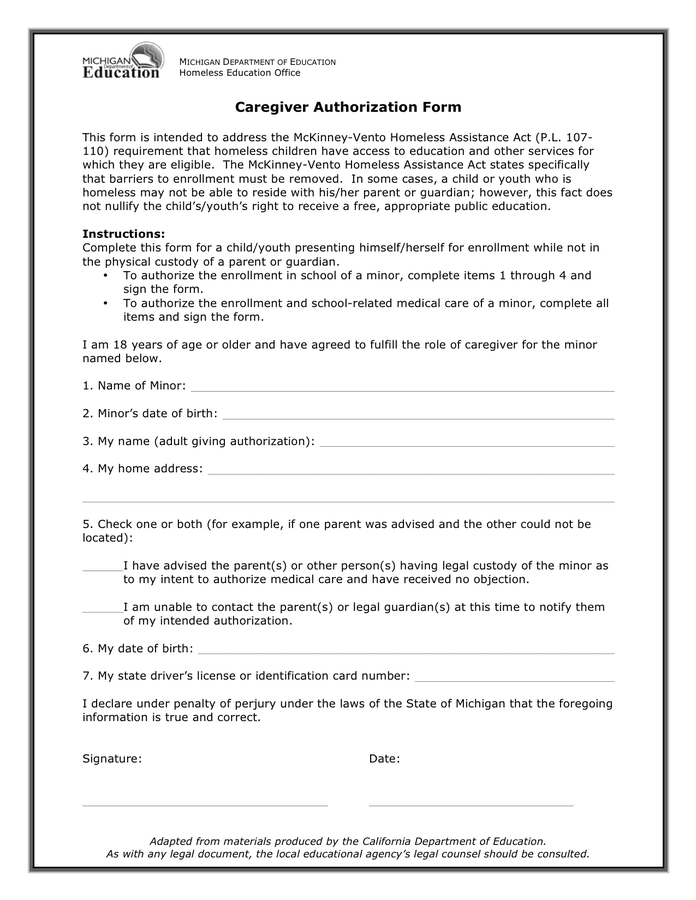 696×900 authorization letter sample documents word from www.dexform.com
  1800×2329 authorization letter samples templates from www.wordtemplatesonline.net
  1240×1739 great authorization letter templates medical travel from templatearchive.com
  585×600 letter authorization forms samples examples format sample from www.sampletemplates.com
  1086×1536 sample authorization letter child travel from authorizationletter.org
  1086×1536 authorization letter child child care authorization letter from authorizationletter.org
  700×728 sample letter family member letter template collection from simpleartifact.com


Sample Letter Of Authorization To Family Member :
Sample Letter Of Authorization To Family Member was posted in June 21, 2025 at 9:56 am. If you wanna have it as yours, please click the Pictures and you will go to click right mouse then Save Image As and Click Save and download the Sample Letter Of Authorization To Family Member Picture.. Don’t forget to share this picture with others via Facebook, Twitter, Pinterest or other social medias! we do hope you'll get inspired by SampleTemplates123... Thanks again! If you have any DMCA issues on this post, please contact us!