Digital Marketing Plan Template
Digital Marketing Plan Template: Your Roadmap to Online Success
A digital marketing plan is more than just a nice-to-have; it’s the bedrock upon which successful online campaigns are built. It provides a structured approach to reaching your target audience, achieving specific business goals, and maximizing your return on investment (ROI). This template outlines the key components of a comprehensive digital marketing plan.
1. Executive Summary
Begin with a concise overview of the entire plan. This section should summarize your goals, strategies, and key performance indicators (KPIs). Think of it as an “elevator pitch” for your digital marketing efforts. It should answer the question: “What are we trying to achieve and how are we going to do it?” Include a brief statement of your budget allocation and anticipated results.
2. Situation Analysis
This is where you assess your current position in the digital landscape. It’s a deep dive into your strengths, weaknesses, opportunities, and threats (SWOT analysis). Key elements to consider:
- Internal Analysis: Evaluate your existing digital assets, such as your website, social media presence, email lists, and content library. Identify what’s working well and what needs improvement. Assess your team’s skills and resources.
- External Analysis: Research your competitors, industry trends, and target audience. Analyze their online strategies, strengths, and weaknesses. Understand the market dynamics and identify potential opportunities and threats.
- Customer Analysis: Define your target audience in detail. Create buyer personas that represent your ideal customers. Understand their demographics, psychographics, online behavior, pain points, and motivations. Use data from website analytics, social media insights, and customer surveys.
- Competitive Analysis: Identify your main competitors and analyze their digital marketing strategies. Determine their strengths and weaknesses, their target audience, and their online presence. This will help you differentiate your brand and identify opportunities to gain a competitive edge. Tools like SEMrush, Ahrefs, and SpyFu can be invaluable here.
3. Goals and Objectives
Clearly define what you want to achieve with your digital marketing efforts. These goals should be SMART: Specific, Measurable, Achievable, Relevant, and Time-bound.
Examples:
- Increase website traffic by 20% in the next quarter.
- Generate 50 qualified leads per month through content marketing.
- Improve brand awareness by 15% within six months.
- Increase social media engagement by 30% in the next year.
- Boost online sales by 10% year-over-year.
Objectives should be specific actions you’ll take to achieve your goals. For example, if your goal is to increase website traffic, your objectives might include:
- Publishing two blog posts per week.
- Optimizing existing website content for relevant keywords.
- Running a paid advertising campaign on Google Ads.
- Promoting content on social media.
4. Target Audience Segmentation
Further develop your buyer personas. Segment your audience based on various factors like demographics, interests, behavior, and purchase history. This allows you to tailor your messaging and strategies for maximum impact. Consider using tools for data enrichment to gather more detailed information about your audience.
5. Strategies and Tactics
This section outlines the specific digital marketing strategies and tactics you will use to achieve your goals. Select channels and techniques that are most relevant to your target audience and budget.
- Search Engine Optimization (SEO): Improve your website’s ranking in search engine results pages (SERPs). This includes keyword research, on-page optimization, off-page optimization (link building), and technical SEO.
- Search Engine Marketing (SEM): Run paid advertising campaigns on search engines like Google. This includes keyword targeting, ad creation, and bid management.
- Content Marketing: Create and distribute valuable, relevant, and consistent content to attract and engage your target audience. This includes blog posts, articles, ebooks, infographics, videos, and podcasts.
- Social Media Marketing (SMM): Build and maintain a presence on social media platforms to engage with your target audience, build brand awareness, and drive traffic to your website. This includes content creation, community management, and social media advertising.
- Email Marketing: Build and maintain an email list to communicate with your audience, nurture leads, and promote your products or services. This includes creating email newsletters, promotional emails, and automated email sequences.
- Affiliate Marketing: Partner with other businesses or individuals to promote your products or services and earn a commission on sales.
- Influencer Marketing: Collaborate with influencers in your niche to reach a wider audience and build credibility.
- Mobile Marketing: Optimize your marketing efforts for mobile devices, including mobile-friendly websites, mobile advertising, and SMS marketing.
- Video Marketing: Create and share engaging videos on platforms like YouTube, Vimeo, and social media.
- Analytics and Tracking: Implement tracking mechanisms to measure the performance of your digital marketing campaigns. Utilize tools like Google Analytics, Google Tag Manager, and social media analytics dashboards.
For each strategy, define specific tactics. For example, under SEO, tactics might include: “Conduct keyword research for relevant terms,” “Optimize website titles and meta descriptions,” “Build high-quality backlinks from reputable websites.”
6. Budget
Allocate your budget across different channels and activities based on their potential ROI. Consider factors like advertising costs, content creation expenses, software subscriptions, and employee salaries. A well-defined budget ensures you’re not overspending in one area while neglecting another. Track your spending carefully and make adjustments as needed.
7. Timeline
Create a detailed timeline for implementing your digital marketing plan. This should include start and end dates for each activity, as well as milestones to track your progress. A Gantt chart or project management software can be helpful for visualizing and managing your timeline.
8. Key Performance Indicators (KPIs)
Define the metrics you will use to measure the success of your digital marketing efforts. Examples:
- Website traffic
- Conversion rates
- Lead generation
- Social media engagement
- Brand mentions
- Customer acquisition cost (CAC)
- Return on ad spend (ROAS)
- Customer lifetime value (CLTV)
Establish a system for tracking and reporting on these KPIs regularly. Use data visualization tools to present your findings in a clear and concise manner.
9. Evaluation and Control
Regularly monitor your progress and make adjustments to your plan as needed. Analyze your KPIs, track your budget, and gather feedback from your team and customers. Be prepared to adapt your strategies based on what’s working and what’s not. A flexible approach is crucial in the ever-evolving digital landscape.
10. Appendix
Include any supporting documents, such as market research reports, competitor analysis reports, buyer persona profiles, or detailed budget spreadsheets.
By following this digital marketing plan template, you can create a comprehensive roadmap to achieve your online business goals. Remember to regularly review and update your plan to stay ahead of the curve and maximize your results.
 1000×921 digital marketing plan template ideas pinterest marketing from www.pinterest.ca
  440×570 digital marketing plan template word documents from www.template.net
  1111×904 digital marketing plan template digital from www.heritagechristiancollege.com
 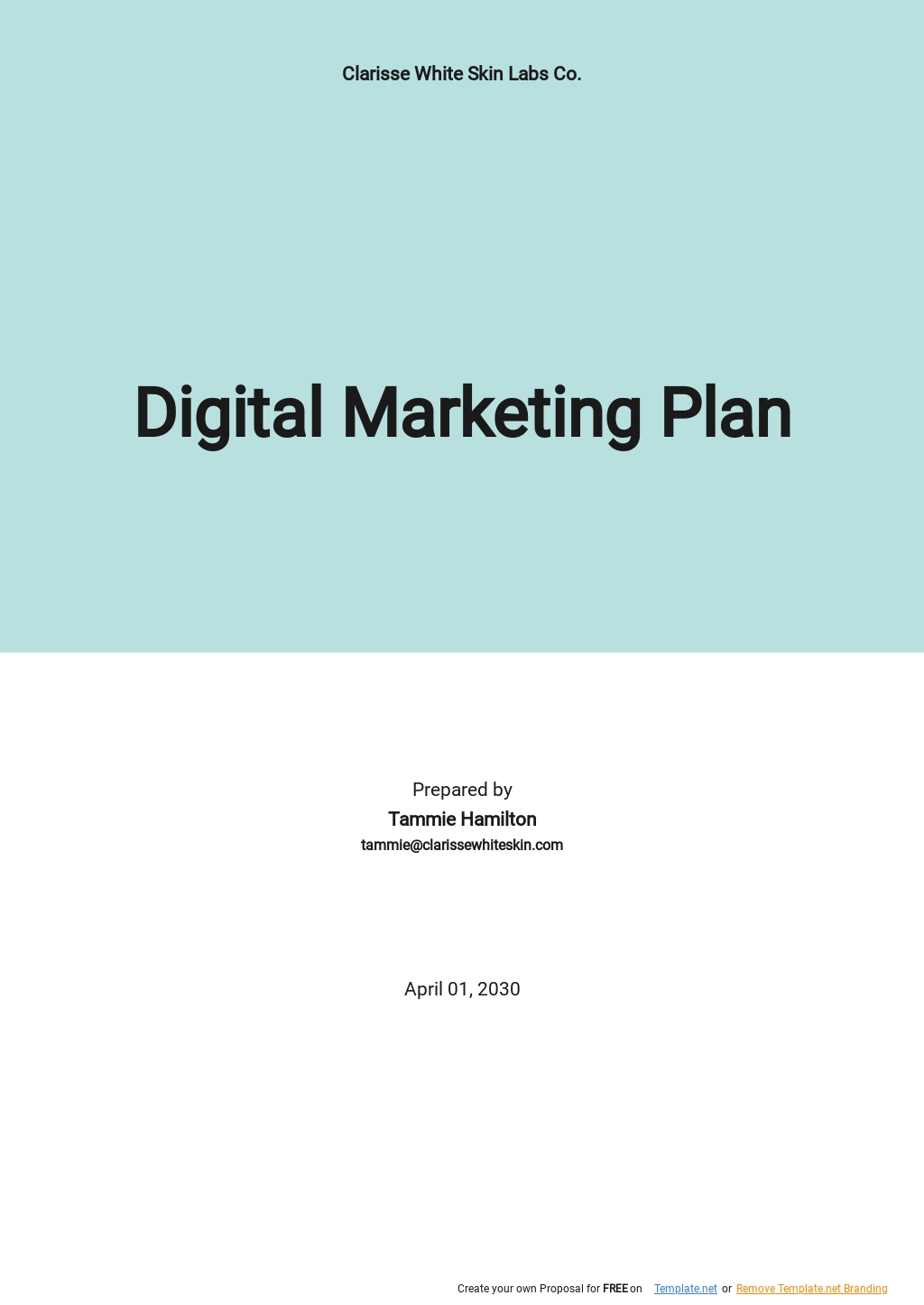 1024×1446 digital marketing plan templates word from www.template.net
  1160×772 digital marketing plan template marketing plan from www.heritagechristiancollege.com
  1999×1360 digital marketing plan template teamgantt from www.teamgantt.com
  800×1132 digital marketing plan template smart insights from www.smartinsights.com
  2800×1488 digital marketing campaign template sample teamgantt from www.teamgantt.com


Digital Marketing Plan Template :
Digital Marketing Plan Template was posted in June 15, 2025 at 8:04 pm. If you wanna have it as yours, please click the Pictures and you will go to click right mouse then Save Image As and Click Save and download the Digital Marketing Plan Template Picture.. Don’t forget to share this picture with others via Facebook, Twitter, Pinterest or other social medias! we do hope you'll get inspired by SampleTemplates123... Thanks again! If you have any DMCA issues on this post, please contact us!