Hydration Plan Template
Crafting Your Personal Hydration Plan: A Template for Optimal Performance
Water is the elixir of life, playing a critical role in countless bodily functions, from regulating temperature and transporting nutrients to lubricating joints and eliminating waste. Dehydration, on the other hand, can lead to a cascade of negative effects, including fatigue, headaches, decreased cognitive function, and impaired physical performance. A well-structured hydration plan is not merely a good idea; it’s a necessity for anyone striving for optimal health and peak performance, whether they’re athletes, desk workers, or simply aiming to live a vibrant life.
Why You Need a Hydration Plan
Most people rely on thirst as their primary indicator of hydration needs. However, thirst is a lagging indicator, meaning you’re already dehydrated by the time you feel thirsty. A proactive hydration plan ensures you’re consistently replenishing fluids throughout the day, preventing dehydration before it occurs. This is particularly important in situations where fluid loss is increased, such as during exercise, in hot weather, or when consuming certain medications.
A personalized hydration plan takes into account your individual needs, activity levels, climate, and overall health. It helps you develop consistent habits and provides a framework for making informed choices about fluid intake. Without a plan, it’s easy to fall short of your hydration goals, leading to sub-optimal performance and potential health risks.
Template for a Personalized Hydration Plan
This template provides a comprehensive framework for creating your own personalized hydration plan. Customize each section based on your individual circumstances.
1. Assessing Your Baseline Hydration Needs
Before you start chugging water, it’s important to establish a baseline understanding of your fluid requirements. Several factors contribute to your individual needs:
- Body Weight: A general guideline is to drink half your body weight (in pounds) in ounces of water per day. For example, a 150-pound individual would aim for 75 ounces.
- Activity Level: Athletes and individuals engaging in strenuous physical activity require significantly more fluids to replace those lost through sweat. Consider adding 16-24 ounces of water for every hour of exercise.
- Climate: Hot and humid environments increase sweat rate, necessitating greater fluid intake. Adjust your baseline needs upwards during warmer months or when spending time in hot climates.
- Diet: Certain foods, like fruits and vegetables, contribute to your overall fluid intake. Account for these sources when estimating your daily water needs. Conversely, high-sodium diets can increase fluid loss.
- Health Conditions and Medications: Certain medical conditions, such as kidney disease or diabetes, can affect fluid balance. Similarly, some medications can have diuretic effects, increasing fluid loss. Consult with your doctor to determine appropriate fluid intake if you have any underlying health conditions or are taking medications.
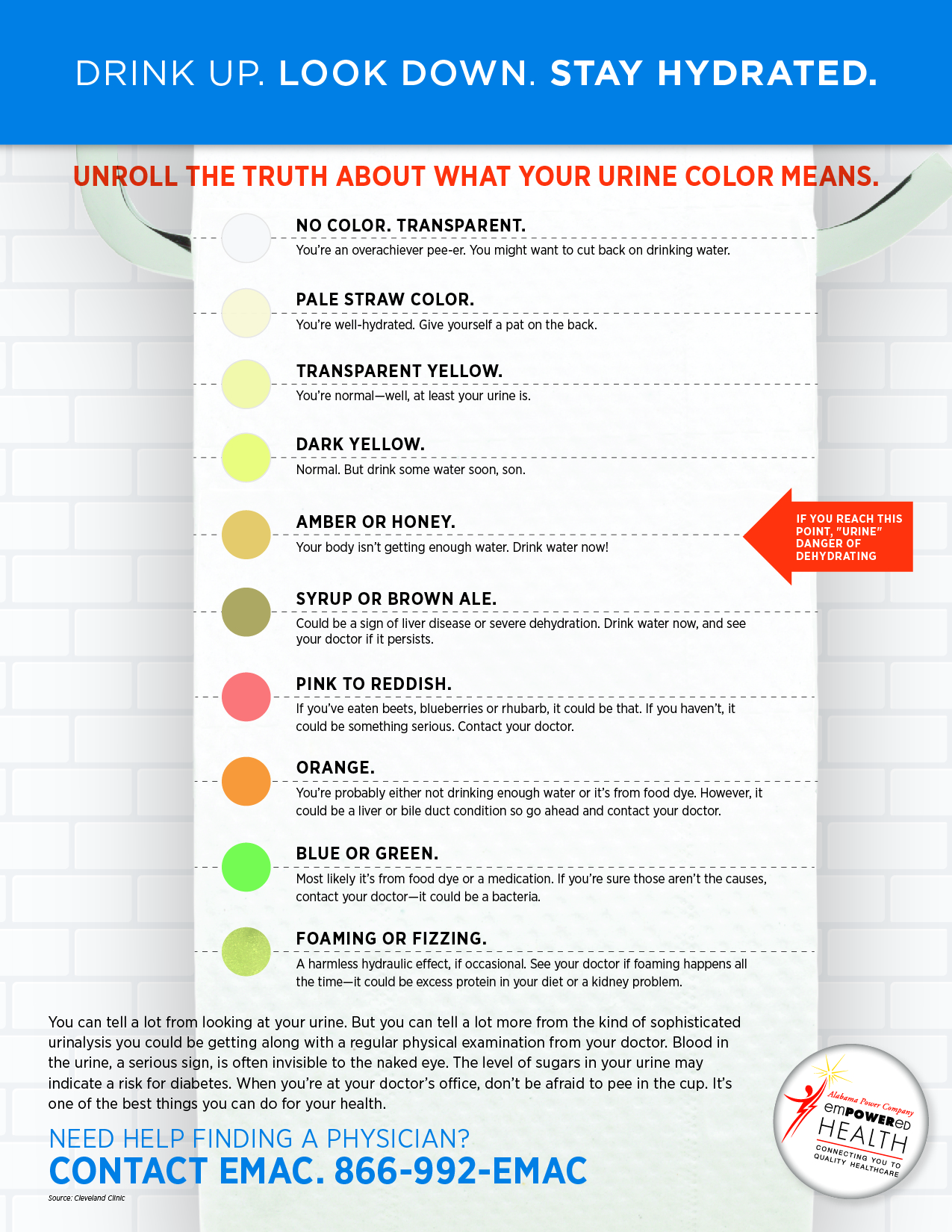
Actionable Step: Calculate your estimated baseline fluid needs based on the factors above. Keep a hydration journal for a few days to track your current fluid intake and identify areas for improvement. Use a urine color chart as a visual guide; pale yellow indicates adequate hydration, while darker colors suggest dehydration.
2. Defining Your Hydration Goals
What do you hope to achieve with a consistent hydration plan? Are you looking to improve athletic performance, boost energy levels, enhance cognitive function, or simply maintain overall health? Clearly defining your goals will provide motivation and direction.
Example Goals:
- Improve endurance during running workouts.
- Reduce fatigue and headaches during the workday.
- Enhance focus and concentration during study sessions.
- Maintain healthy skin and digestion.
Actionable Step: Write down 2-3 specific, measurable, achievable, relevant, and time-bound (SMART) hydration goals.
3. Creating a Hydration Schedule
A structured schedule is key to consistently meeting your hydration goals. Break down your daily fluid intake into manageable intervals.
Example Schedule:
- Upon waking: 16 ounces of water to rehydrate after sleep.
- Before breakfast: 8 ounces of water.
- Mid-morning: 16 ounces of water or herbal tea.
- With lunch: 12 ounces of water.
- Mid-afternoon: 16 ounces of water or electrolyte drink (especially if exercising).
- Before dinner: 8 ounces of water.
- With dinner: 12 ounces of water.
- Before bed: 8 ounces of water (adjust to avoid nighttime bathroom trips).
Actionable Step: Create a personalized hydration schedule that fits your daily routine. Set reminders on your phone or use a water tracking app to stay on track.
4. Choosing Your Hydration Sources
While water is the primary source of hydration, other fluids and foods can also contribute. Consider these options:
- Water: The cornerstone of any hydration plan.
- Electrolyte Drinks: Beneficial during intense exercise to replace lost electrolytes (sodium, potassium, magnesium). Choose options with minimal added sugar.
- Herbal Teas: Unsweetened herbal teas can be a refreshing and hydrating alternative to water.
- Fruits and Vegetables: Watermelon, cucumbers, berries, and leafy greens are excellent sources of hydration.
- Broth-Based Soups: Can contribute to both hydration and electrolyte replenishment.
Actionable Step: Identify your preferred hydration sources. Keep water readily available throughout the day. Pack hydrating snacks for work or school.
5. Monitoring and Adjusting Your Plan
Regularly monitor your hydration levels and adjust your plan as needed. Pay attention to urine color, thirst levels, and any changes in activity level, climate, or health status.
Signs of Adequate Hydration:
- Pale yellow urine.
- Infrequent thirst.
- Consistent energy levels.
- Normal bowel movements.
Signs of Dehydration:
- Dark yellow or amber urine.
- Frequent thirst.
- Fatigue, headaches, dizziness.
- Constipation.
Actionable Step: Review your hydration plan weekly and make adjustments based on your observations and any changes in your lifestyle. Don’t be afraid to experiment to find what works best for you.
6. Overcoming Hydration Challenges
It’s not always easy to stay hydrated. Common challenges include forgetting to drink, disliking the taste of water, and being in situations where access to water is limited.
Strategies to Overcome Challenges:
- Set reminders: Use your phone or a water tracking app to prompt you to drink regularly.
- Carry a water bottle: Keep water readily available wherever you go.
- Infuse water with fruit: Add slices of lemon, cucumber, or berries to enhance the flavor of water.
- Make it a habit: Incorporate hydration into your daily routine, such as drinking a glass of water upon waking and before meals.
- Plan ahead: When traveling or attending events, bring your own water bottle or plan for access to water.
Actionable Step: Identify your personal hydration challenges and develop strategies to overcome them.
Conclusion
A personalized hydration plan is a powerful tool for optimizing health and performance. By assessing your individual needs, setting realistic goals, creating a structured schedule, and monitoring your progress, you can develop a sustainable hydration routine that supports your overall well-being. Remember that hydration is an ongoing process, and consistency is key. Embrace this template as a starting point and customize it to create a plan that works for you, empowering you to stay hydrated, healthy, and thriving.
 1275×1650 hydration campaign alabama power nourish from apcnourish.com
  768×1024 hydration poster trueap from trueap.com
  1140×1520 printable hydration tracker yellow paper house from yellowpaperhouse.com
  720×540 hydration powerpoint id from www.slideserve.com

Hydration Plan Template :
Hydration Plan Template was posted in September 1, 2025 at 6:23 pm. If you wanna have it as yours, please click the Pictures and you will go to click right mouse then Save Image As and Click Save and download the Hydration Plan Template Picture.. Don’t forget to share this picture with others via Facebook, Twitter, Pinterest or other social medias! we do hope you'll get inspired by SampleTemplates123... Thanks again! If you have any DMCA issues on this post, please contact us!