TOEFL Study Plan Template
Here’s a comprehensive TOEFL study plan template formatted in HTML, aiming for clarity and usefulness:
The TOEFL (Test of English as a Foreign Language) is a standardized test that evaluates the English proficiency of non-native speakers wishing to enroll in English-speaking universities. A structured study plan is crucial for maximizing your score. This template provides a framework, but remember to personalize it based on your strengths, weaknesses, available time, and target score.
Phase 1: Assessment and Goal Setting (Week 1)
1. Diagnostic Test:
Start with a full-length official TOEFL practice test (available from ETS). This provides a baseline and identifies areas needing the most attention. Time yourself strictly according to the actual test format. Don’t worry about your score at this stage; it’s purely for diagnostic purposes.
2. Score Analysis:
Carefully review your performance on the diagnostic test. Note down your scores for each section (Reading, Listening, Speaking, Writing). Identify question types you struggled with, common errors you made, and areas where you ran out of time.
3. Define Target Score:
Research the TOEFL score requirements for the universities you’re interested in. Set a realistic target score, taking into account your current score and the time you have available for preparation. Break down the target overall score into target scores for each section.
4. Identify Strengths and Weaknesses:
Based on the diagnostic test and your general English skills, create a list of your strengths and weaknesses in each section. For example, you might be strong in reading comprehension but weak in note-taking during listening. Be honest and specific.
5. Resource Gathering:
Gather the necessary study materials. This might include:
- Official TOEFL iBT Tests books (ETS)
- TOEFL preparation books from reputable publishers (e.g., Barron’s, Kaplan, The Princeton Review)
- Online TOEFL courses or platforms (e.g., Magoosh, TestGlider, TST Prep)
- English grammar and vocabulary resources
- Note-taking materials (notebook, pen, digital note-taking app)
Phase 2: Skill Building and Focused Practice (Weeks 2-8, adjustable based on your timeline)
This phase focuses on improving your skills in each section and developing effective test-taking strategies. Dedicate specific time slots to each section based on your weaknesses. For example, if listening is your weakest area, allocate more time to it.
1. Reading Section:
Focus on:
- Vocabulary Building: Learn new words in context. Use flashcards, vocabulary apps, or create your own word lists.
- Reading Comprehension: Practice reading academic passages quickly and accurately. Focus on identifying the main idea, supporting details, inferences, and the author’s purpose.
- Question Types: Familiarize yourself with different question types (e.g., factual questions, negative factual questions, inference questions, vocabulary questions) and develop strategies for answering them effectively.
- Speed Reading: Practice skimming and scanning techniques to quickly locate information in the passages.
Suggested Activities: Read academic articles from various fields (science, history, literature). Practice answering TOEFL-style reading questions from your preparation books or online resources.
2. Listening Section:
Focus on:
- Note-Taking Skills: Develop effective note-taking strategies for lectures and conversations. Practice taking notes quickly and accurately, focusing on key information.
- Understanding Accents and Speaking Styles: Expose yourself to different English accents (American, British, Australian) and speaking styles.
- Identifying Main Ideas and Supporting Details: Practice identifying the main idea, supporting details, and the speaker’s attitude in lectures and conversations.
- Recognizing Transitions and Signposts: Pay attention to transition words and phrases that signal changes in topic or emphasis.
Suggested Activities: Listen to lectures and podcasts on academic topics. Practice answering TOEFL-style listening questions from your preparation books or online resources. Watch movies and TV shows in English with subtitles (and gradually without subtitles).
3. Speaking Section:
Focus on:
- Fluency and Pronunciation: Practice speaking English fluently and clearly. Pay attention to your pronunciation and intonation.
- Developing Clear and Organized Responses: Learn how to structure your responses logically and coherently. Use transition words and phrases to connect your ideas.
- Note-Taking for Integrated Tasks: Practice taking notes quickly and effectively during the listening and reading sections of the integrated speaking tasks.
- Time Management: Practice answering the speaking questions within the allotted time.
Suggested Activities: Record yourself answering TOEFL-style speaking questions. Listen to your recordings and identify areas for improvement. Practice speaking with a native English speaker or language partner. Use online resources that provide feedback on your speaking. Pay attention to the rubrics for each speaking task to fully understand what raters are looking for.
4. Writing Section:
Focus on:
- Essay Structure and Organization: Learn how to write well-organized and coherent essays with a clear thesis statement, supporting paragraphs, and a conclusion.
- Grammar and Vocabulary: Improve your grammar and vocabulary. Use a variety of sentence structures and vocabulary to express your ideas effectively.
- Note-Taking for Integrated Task: Practice taking effective notes from the reading and listening materials for the integrated writing task.
- Typing Speed and Accuracy: Practice typing quickly and accurately.
Suggested Activities: Practice writing essays on various topics. Get feedback on your essays from a teacher, tutor, or online writing service. Practice writing the integrated writing task based on TOEFL-style prompts. Pay attention to the rubrics for each writing task to fully understand what raters are looking for.
Phase 3: Practice Tests and Refinement (Weeks 9-12, adjustable)
This phase focuses on taking full-length practice tests under timed conditions to simulate the actual TOEFL exam. Analyze your performance on each test and identify areas where you still need to improve.
1. Full-Length Practice Tests:
Take at least 3-4 full-length official TOEFL practice tests. Simulate the actual test environment as closely as possible. Minimize distractions and time yourself strictly.
2. Score Analysis and Review:
After each practice test, carefully review your performance. Identify question types you are still struggling with and areas where you are making mistakes. Review the explanations for the correct answers and try to understand why you made those errors.
3. Targeted Practice:
Based on your score analysis, focus your practice on the areas where you need the most improvement. Review relevant grammar rules, vocabulary, or test-taking strategies. Do additional practice questions in those specific areas.
4. Time Management Strategies:
Refine your time management strategies for each section. Practice pacing yourself so that you can complete all the questions within the allotted time. Experiment with different strategies to find what works best for you.
5. Review and Consolidation:
Review all the material you have studied and consolidate your knowledge. Focus on the key concepts and strategies that you have learned.
Final Week: Review and Relaxation
Avoid cramming. Lightly review key concepts and strategies. Focus on getting enough sleep and eating healthy. Visualize success and stay positive. Ensure you know the test center location and have all necessary identification.
Important Notes:
- Consistency is key. Dedicate a specific amount of time to studying each day or week.
- Take breaks. Avoid burnout by taking regular breaks during your study sessions.
- Get feedback. Ask a teacher, tutor, or native English speaker to review your writing and speaking.
- Stay motivated. Remind yourself of your goals and celebrate your progress.
- Adapt the plan. This is a template, adjust it to fit your individual needs and circumstances.
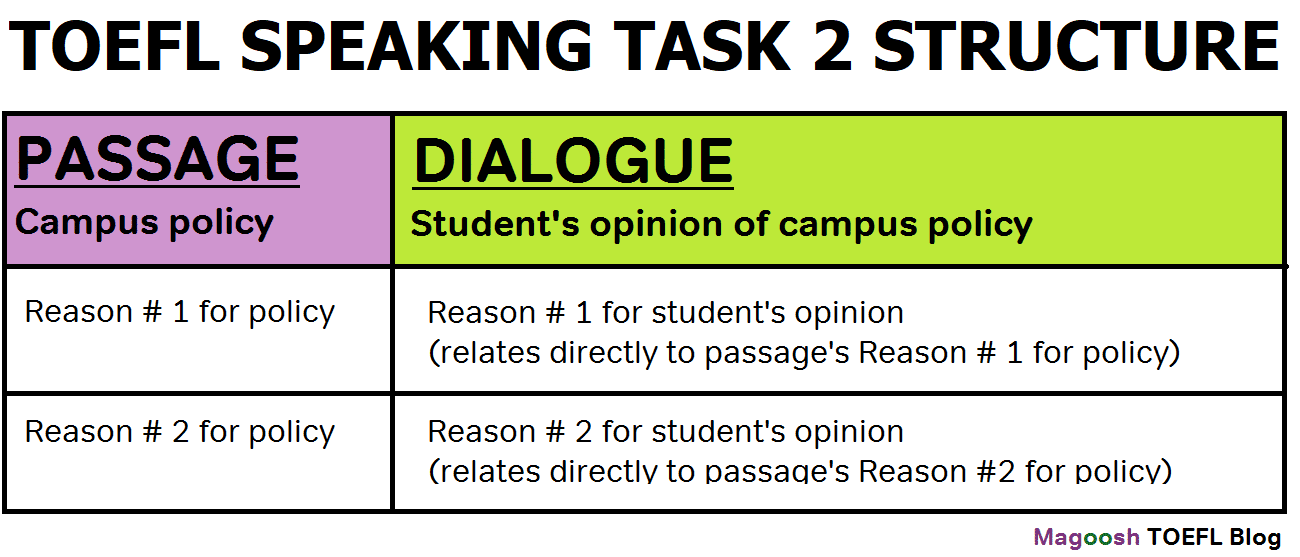 474×203 toefl speaking task template flowchart based magoosh toefl blog from magoosh.com
  800×800 study schedules from toefl.magoosh.com
  460×345 ways study toefl wikihow from www.wikihow.com


TOEFL Study Plan Template :
TOEFL Study Plan Template was posted in November 19, 2025 at 9:52 pm. If you wanna have it as yours, please click the Pictures and you will go to click right mouse then Save Image As and Click Save and download the TOEFL Study Plan Template Picture.. Don’t forget to share this picture with others via Facebook, Twitter, Pinterest or other social medias! we do hope you'll get inspired by SampleTemplates123... Thanks again! If you have any DMCA issues on this post, please contact us!